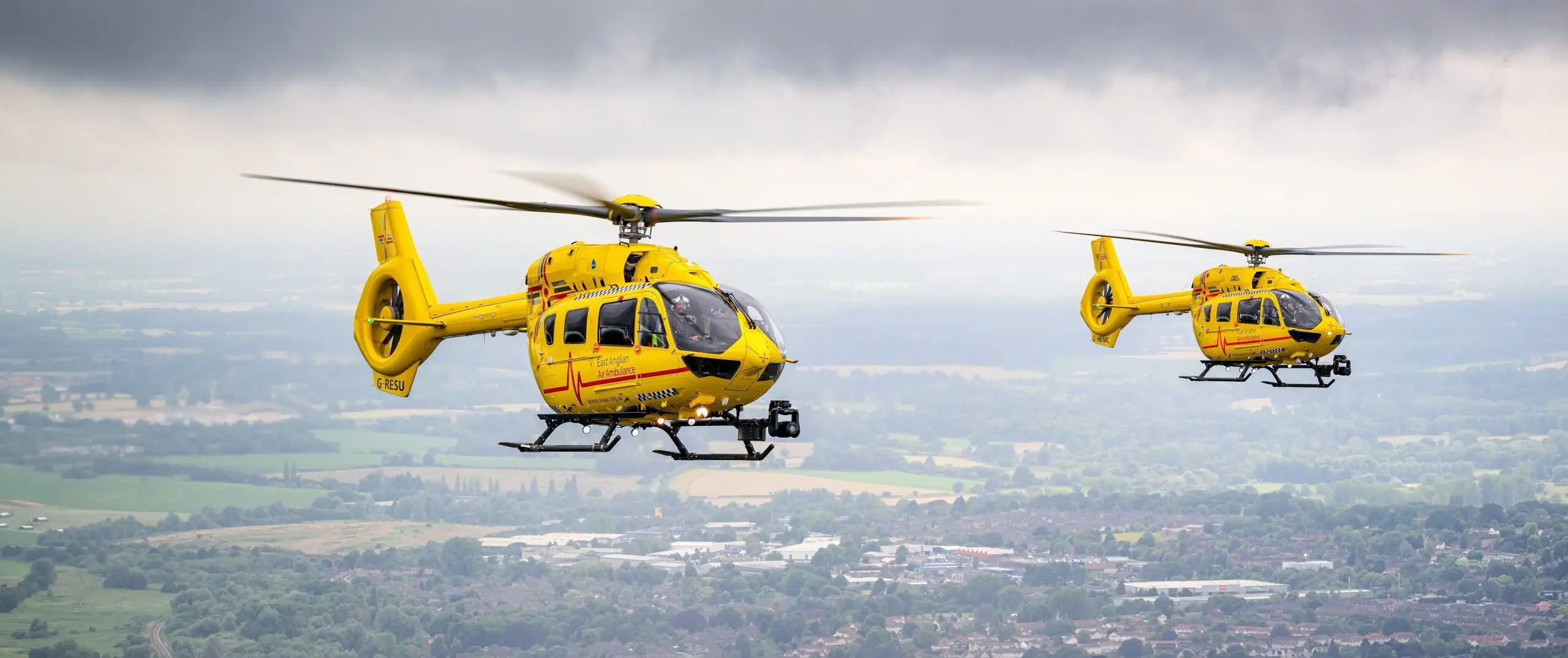
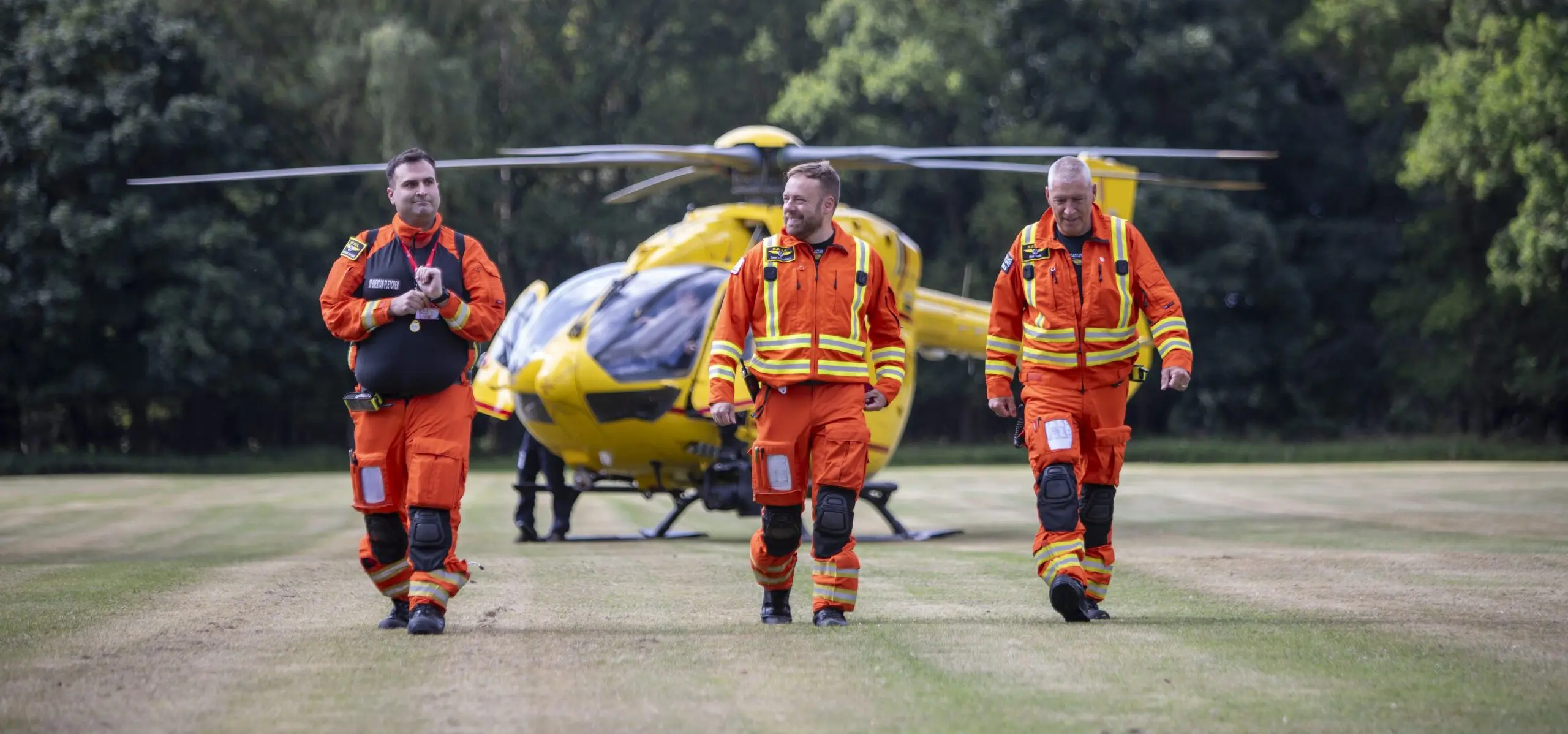
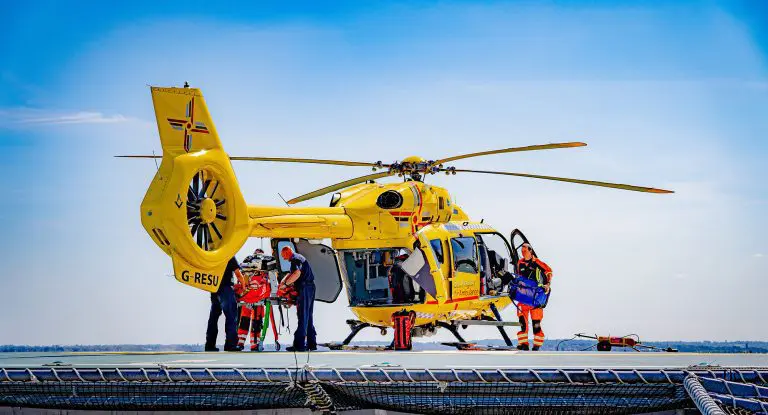
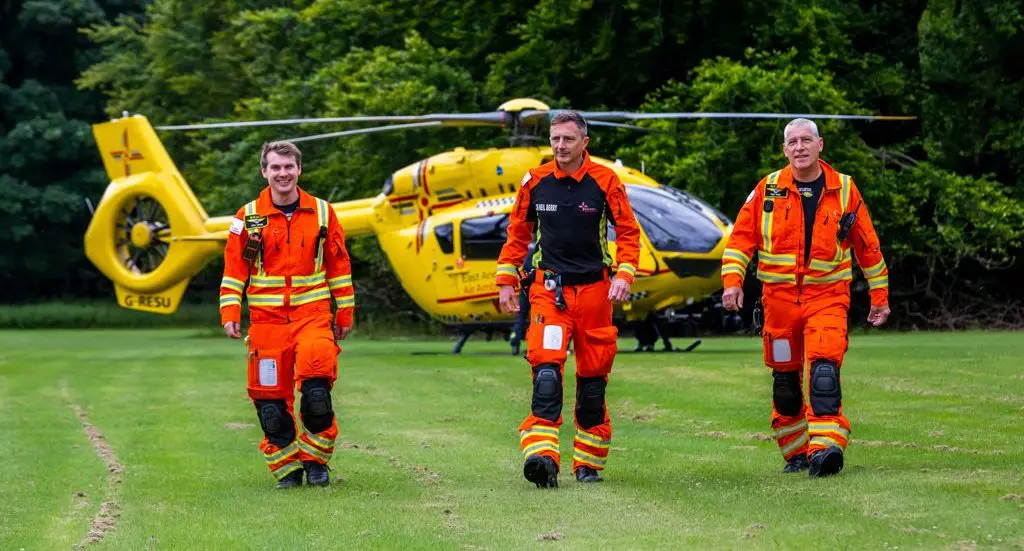
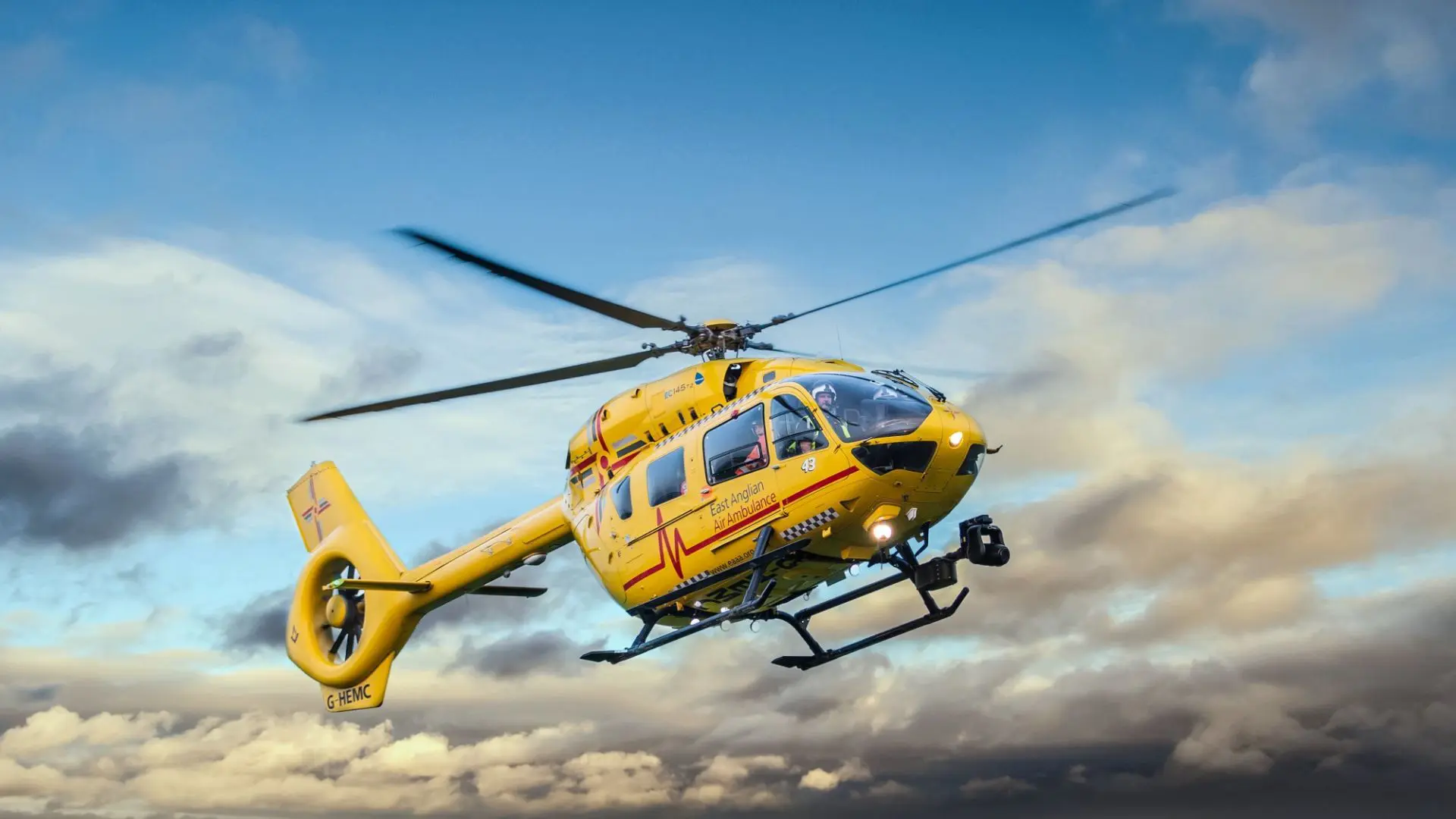
Pilots keep a close eye on the weather all year round, as it can affect how they fly.
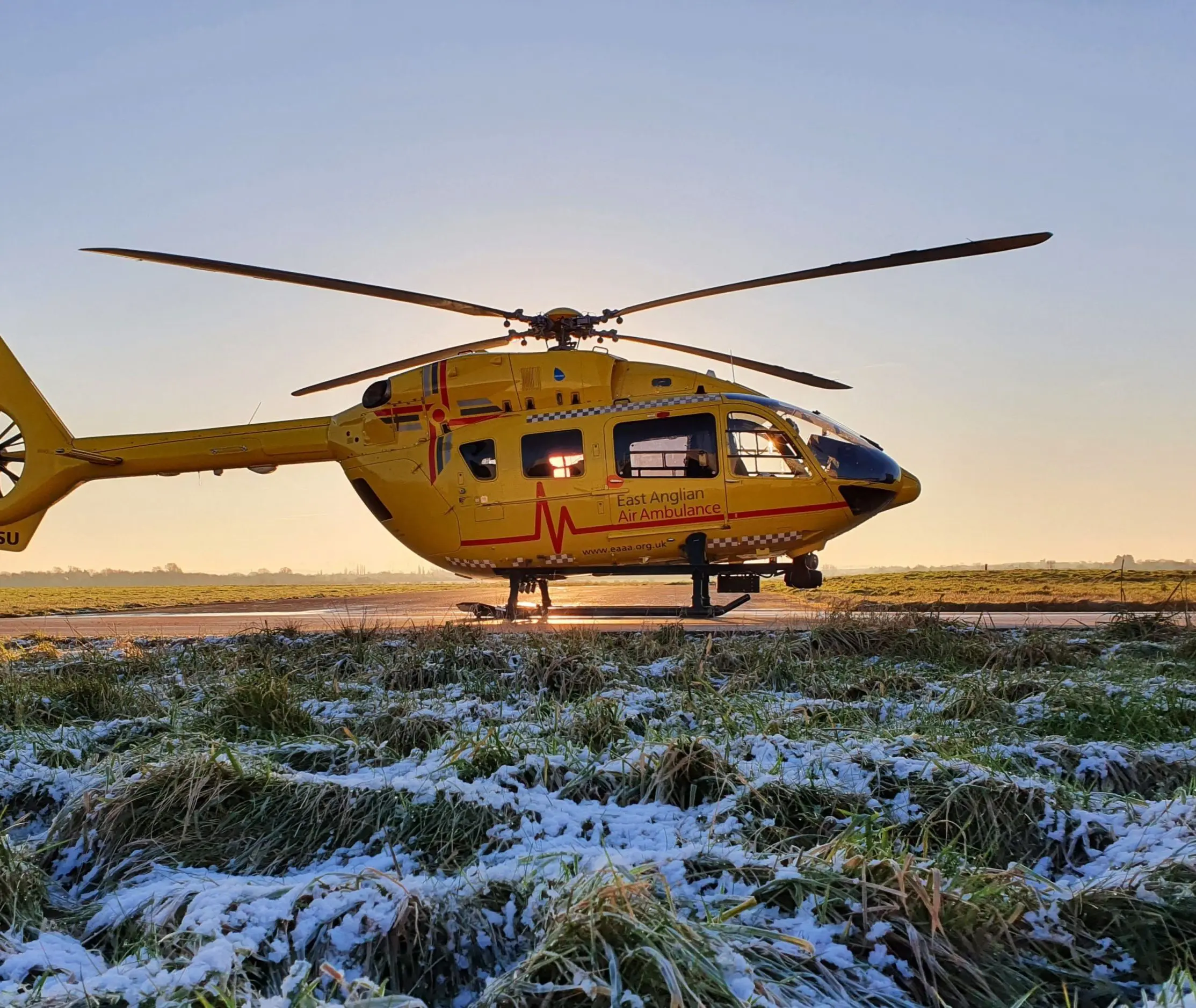
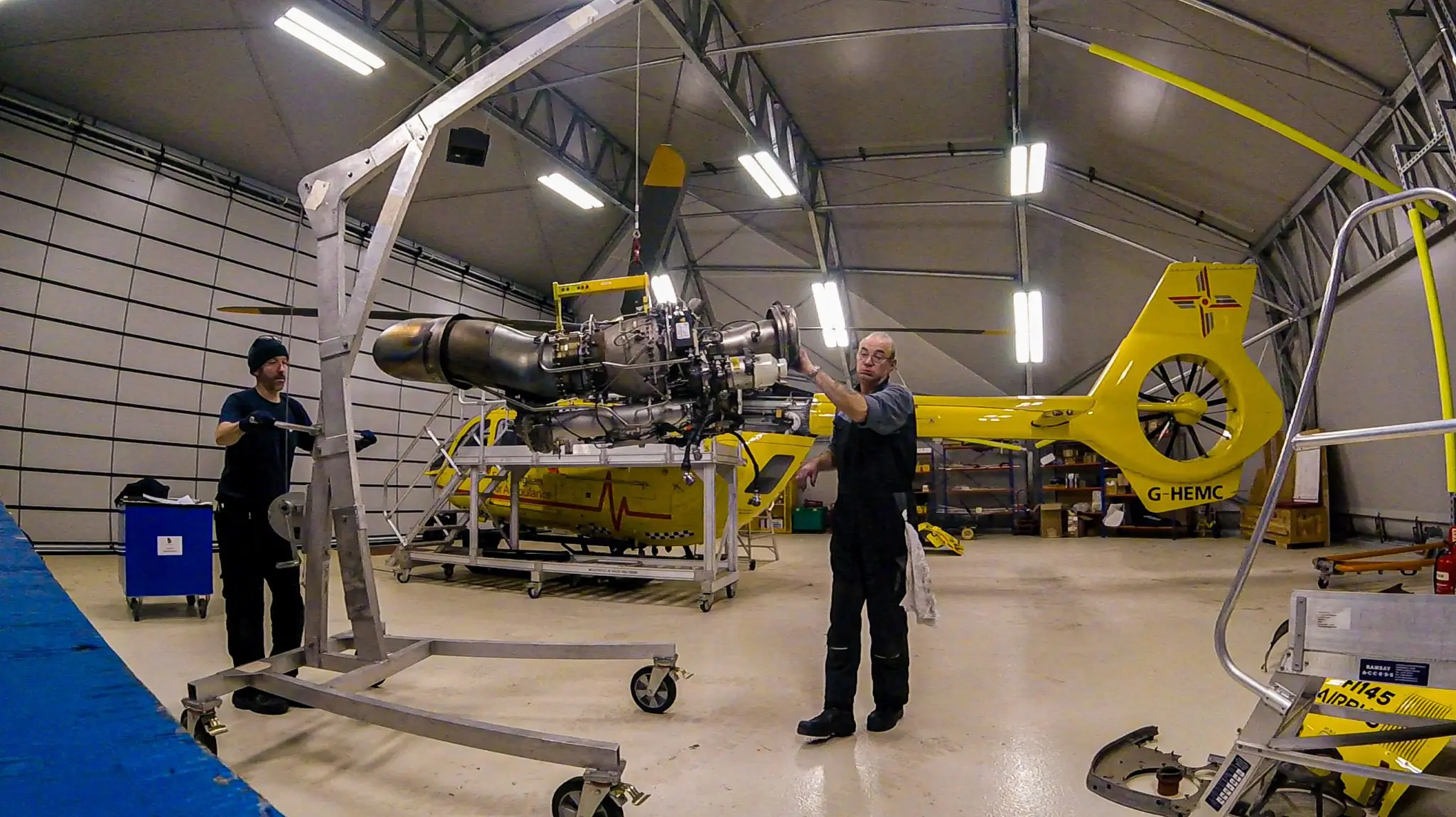
In summer, the hot air is thinner, which means the aircraft needs more power – and more fuel – to get airborne. In winter, frost and ice can build up on the helicopter, so pilots often move it into the hangar. It’s much quicker to roll the aircraft out, using a special piece of equipment called a Helilift, than to spend time de-icing when a call comes in.
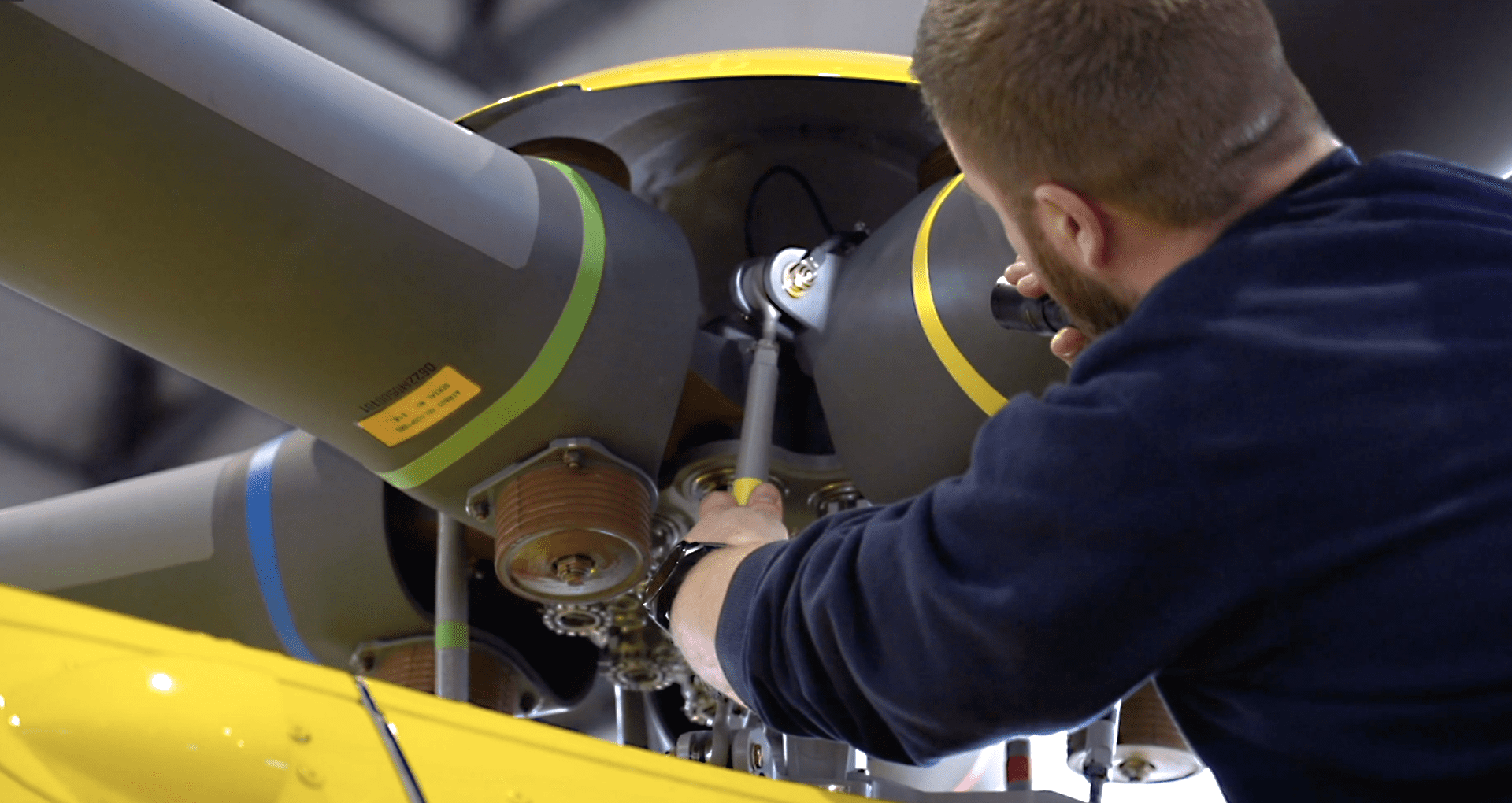
Weather forecasts and maps are monitored constantly. If strong winds are predicted – over 30 knots – the team will consider the impact on the rotor blades and may also move the helicopter inside.
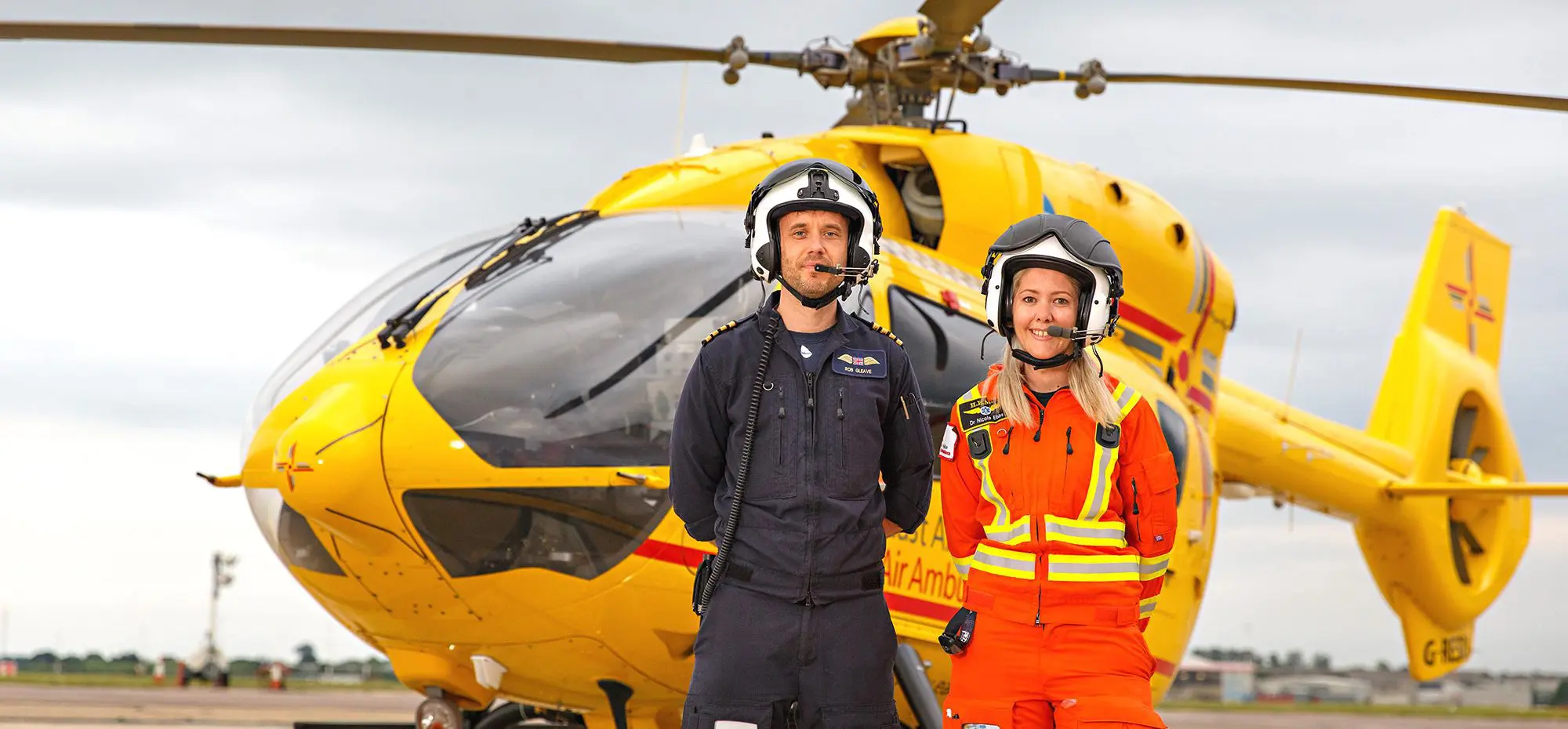
Our pilots are fully trained to fly using instruments alone and the aircraft is equipped with a state-of-the-art autopilot system for instrument approaches to airfields.
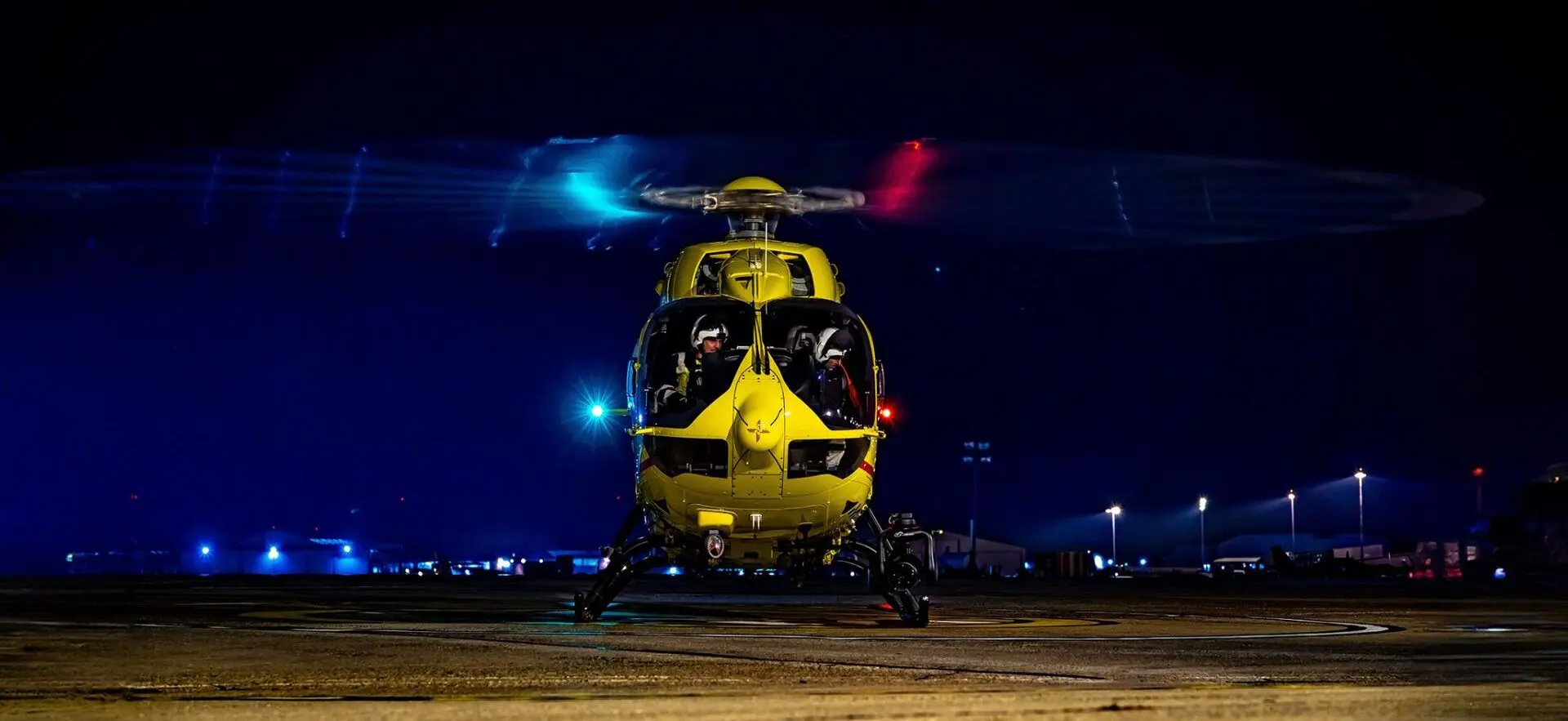
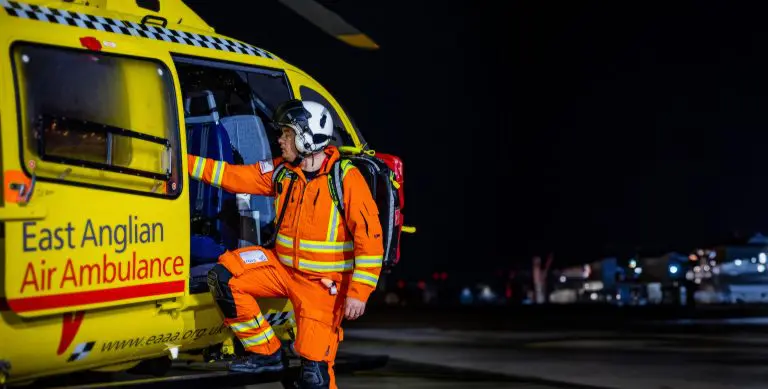
For daytime flying, we need a cloud base of at least 600ft and visibility of 1.5km. At night, that increases to 1,200ft and 2.5km. A live weather display in the crew room helps the team plan ahead.
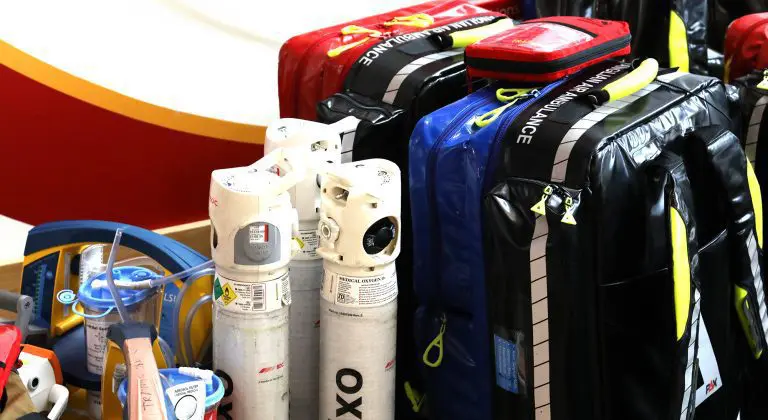
If conditions mean the helicopter can’t fly, our 24/7 service continues without interruption because our critical care cars carry the same life-saving equipment as the helicopter – everything except a stretcher – so patients still receive the highest level of care.