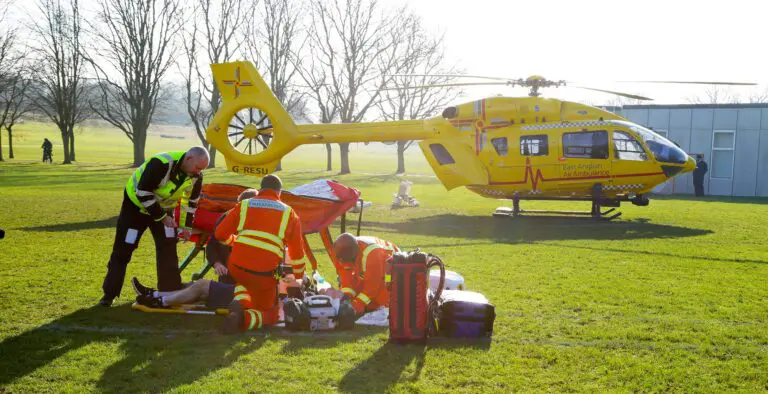
What happens at scene?
From the moment our crew receive a call, everything is focused on one thing: giving our patient the safest, fastest, and best possible care.
When someone dials 999, it’s often one of the most stressful moments of their life. They might be scared, panicked, or unsure what to do next. The call handler understands this and will ask calm, clear questions to understand what’s happening. Every answer helps them decide what’s needed, so the right ambulance team can get there as quickly as possible.
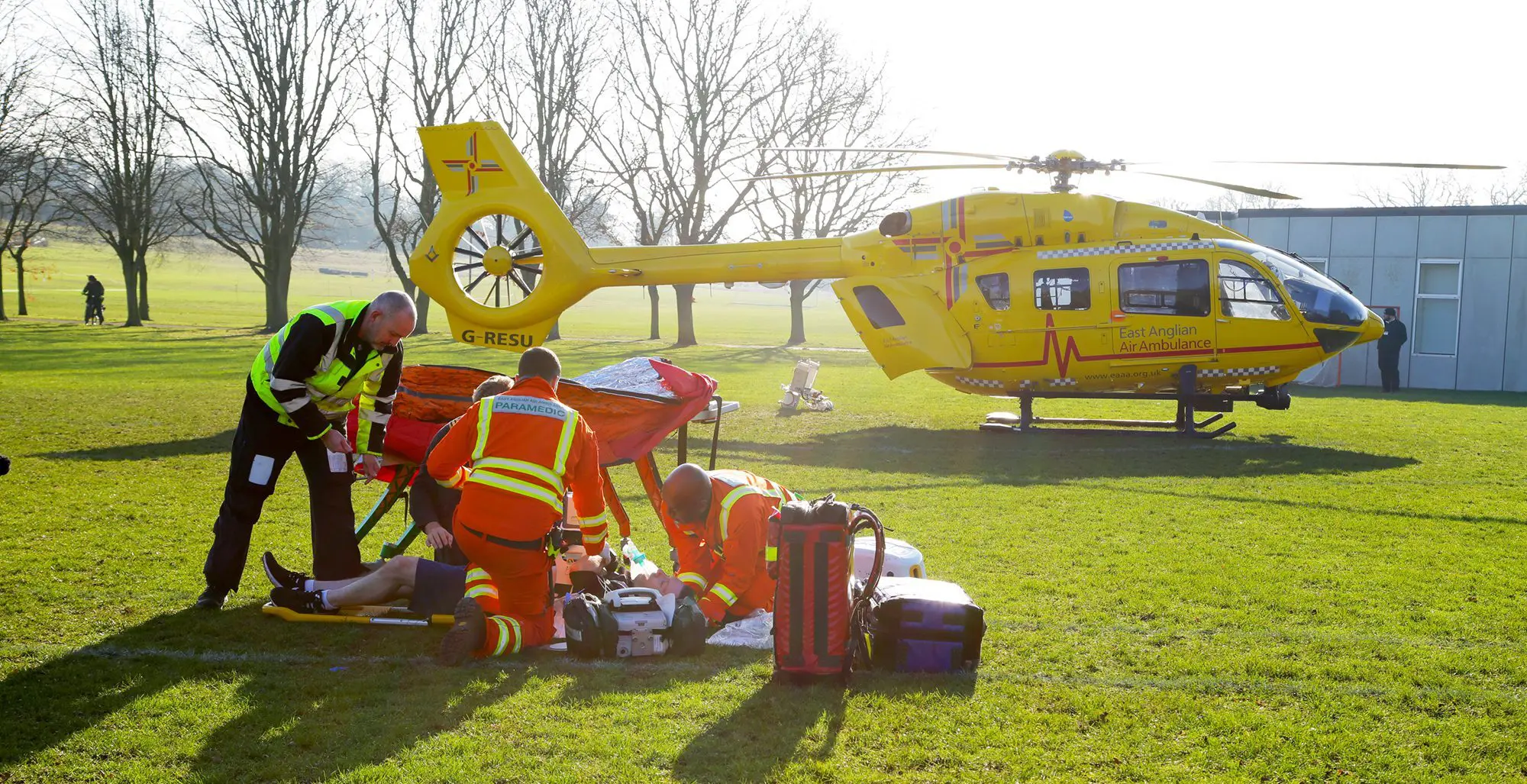
If the situation is life-threatening, such as a serious medical emergency, like a cardiac arrest, or major trauma, serious injuries from a road accident, for example – the East of England Ambulance Service Trust (EEAST) Critical Care Desk (CCD) may decide that extra specialist support is needed. That’s when our Helicopter Emergency Medical Service (HEMS) crew is tasked.
Our team brings advanced skills, equipment, and medicines you would normally find in a hospital A&E department directly to the patient. This means that critical care starts immediately at the scene. The teams work together to make sure the sickest and most seriously injured people get the right help, fast.
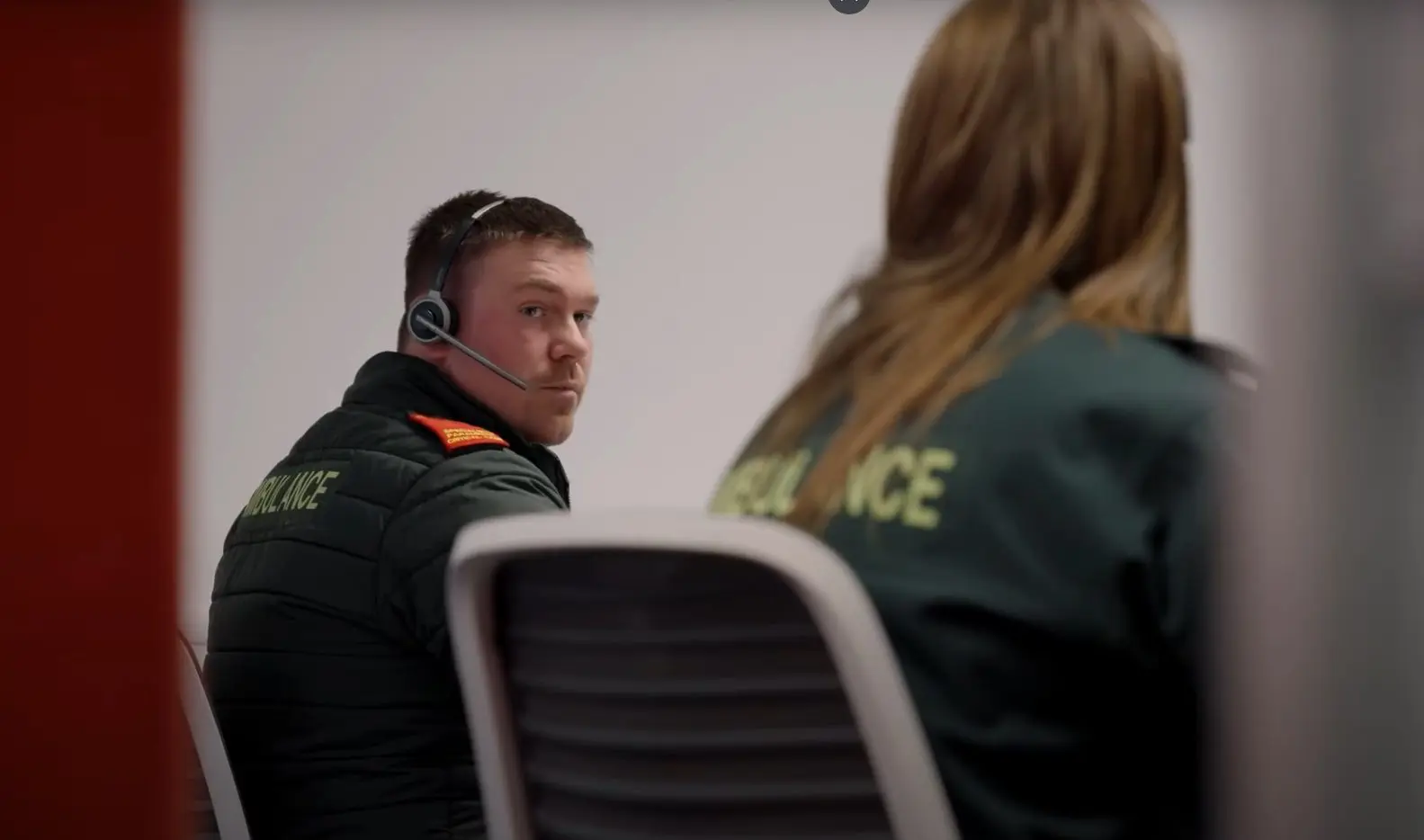
At the Critical Care Desk (CCD) managed in Norwich, Chelmsford, and Bedford, experienced clinicians (usually critical care paramedics) who also work with HEMS organisations, including us, watch over every 999 job that comes in. Their role is to spot the emergencies where an advanced out‑of‑hospital critical care team could make the difference between survival and recovery.
When a Critical Care Desk clinician recognises that a patient needs specialist support, they dispatch the nearest HEMS crew straight away. As new details come in, they pass vital information directly to the crew, helping them prepare before they arrive.
Working alongside the clinicians is a Dispatcher, who stays in constant contact with HEMS crews by telephone or radio. The Dispatcher monitors the situation and provides updates, making sure the team has the latest information while they’re on the move.
Sometimes, if the first call suggests the ambulance team might need extra help, the CCD clinician will ring the caller back. They’ll ask clear questions about what’s happening at the scene, building a picture of the patient’s condition while the land ambulance is on its way.
Every action at the CCD is designed to get the right care to the scene, as fast as possible, and it’s all happening behind the scenes to benefit the person who matters most – the patient.
When a patient’s life hangs in the balance, such as during a cardiac arrest, the CCD acts immediately. Automatic taskings help patients receive help even faster. Historical data is used to immediately dispatch a HEMS crew to emergencies where advanced care is most likely to be needed. So, when a patient suffers a cardiac arrest, a severe trauma, or a sudden medical emergency, a specialist HEMS team is sent directly to them.
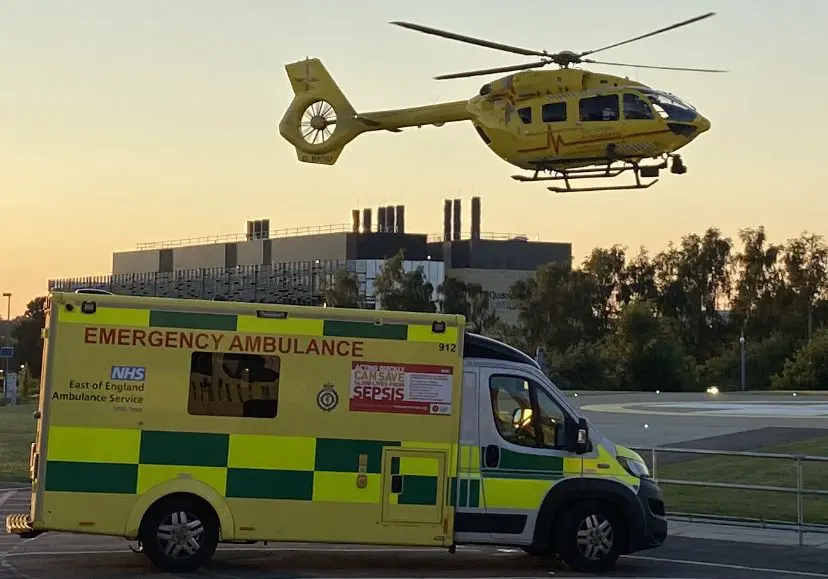
When a patient is critically unwell or injured, our colleagues at the ambulance service are often first to reach them. After assessing the patient’s needs, the land ambulance team may call for a HEMS crew to bring enhanced care directly to the patient at the scene. The request goes to the CCD, which immediately dispatches the HEMS team to support the patient alongside the ambulance crew.
By working hand‑in‑hand with the ambulance service, we can identify patients who will benefit most from the specialist skills, equipment, and medication a HEMS crew provides. This close collaboration ensures that patients receive the highest level of treatment and compassionate care at the earliest possible moment, right when they need it most.
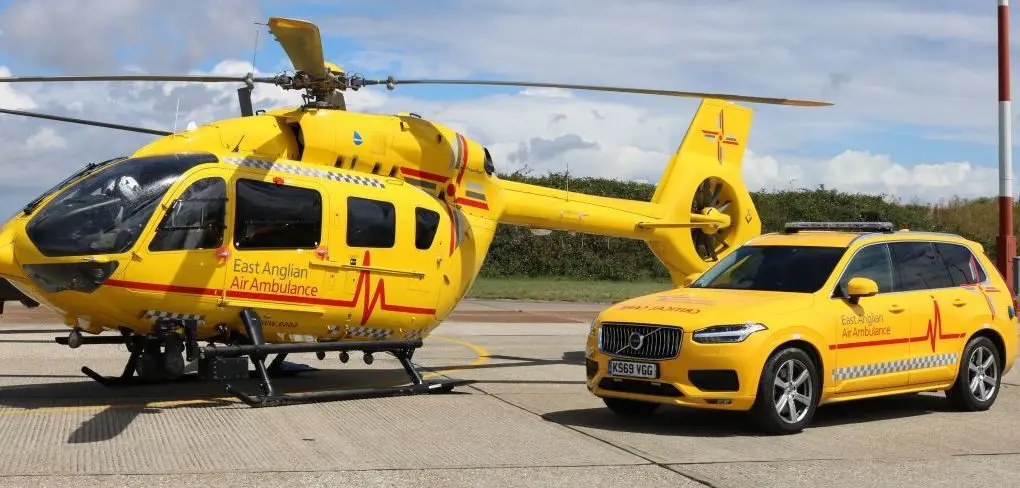
When a call comes in from the CCD, the paramedic on shift will usually be the one to take the call. Beside them, the pilot checks the grid reference and postcode on their iPad. In seconds, the whole crew can see exactly where the patient is and decide together, taking a number of factors into consideration, whether to reach the patient by air or by road.
No matter how we travel, we carry the same advanced monitoring and assessment equipment. The only difference is there is no stretcher in the critical care car. For the patient this means that, whether the crew steps out of a car or lands in a helicopter, the same high standard of critical care will be at their side.
There are several factors which can determine this, including:
Sometimes, the weather has other ideas. Low cloud, snow, and poor visibility can make flying out of legal limits. So instead, the doctor and critical care paramedic jump into the critical care car to make sure help still gets to where it’s needed.
When seconds matter, our clinicians choose the quickest route to the patient’s side. If the emergency is close to one of our bases, often the fastest way to reach them will be by road.
If flying isn’t the most appropriate option for a patient, the crew would travel by car. With the pilots not required, the paramedic drives while the doctor uses the journey to plan the patient’s treatment. If needed, the clinicians can still call the aircraft to meet them and transport the patient swiftly to hospital.
Whether by road or air, the Critical Care Desk stays in constant contact, sharing updates and vital information with the crew. If the helicopter must land a little further away, they can arrange support, such as a lift from the ambulance service or police, so the patient can be reached without delay. It’s teamwork at its best.
From the moment our crew receive a call, everything is focused on one thing: giving our patient the safest, fastest, and best possible care.
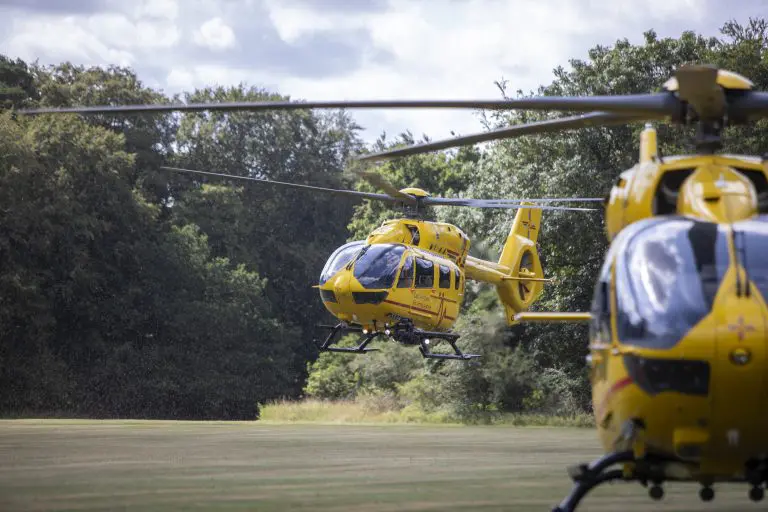
Meet the helicopters you keep in the air. We operate two state-of-the-art H145 helicopters: G-RESU, callsign Anglia One, based in Norwich and G-HEMC, callsign Anglia Two, based in Cambridge.
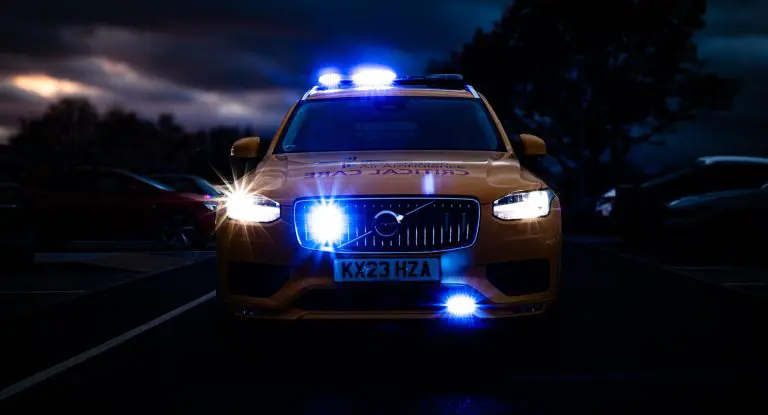
When people think of us, they often picture our yellow helicopters - but that’s only part of the story. Alongside our two aircraft, we also have critical care cars based in Norwich and Cambridge. With the exception of a stretcher, our cars carry the same lifesaving equipment as our helicopters, so our crews can deliver the same lifesaving care – but just arrive at the scene in a different way.