Train the trainer
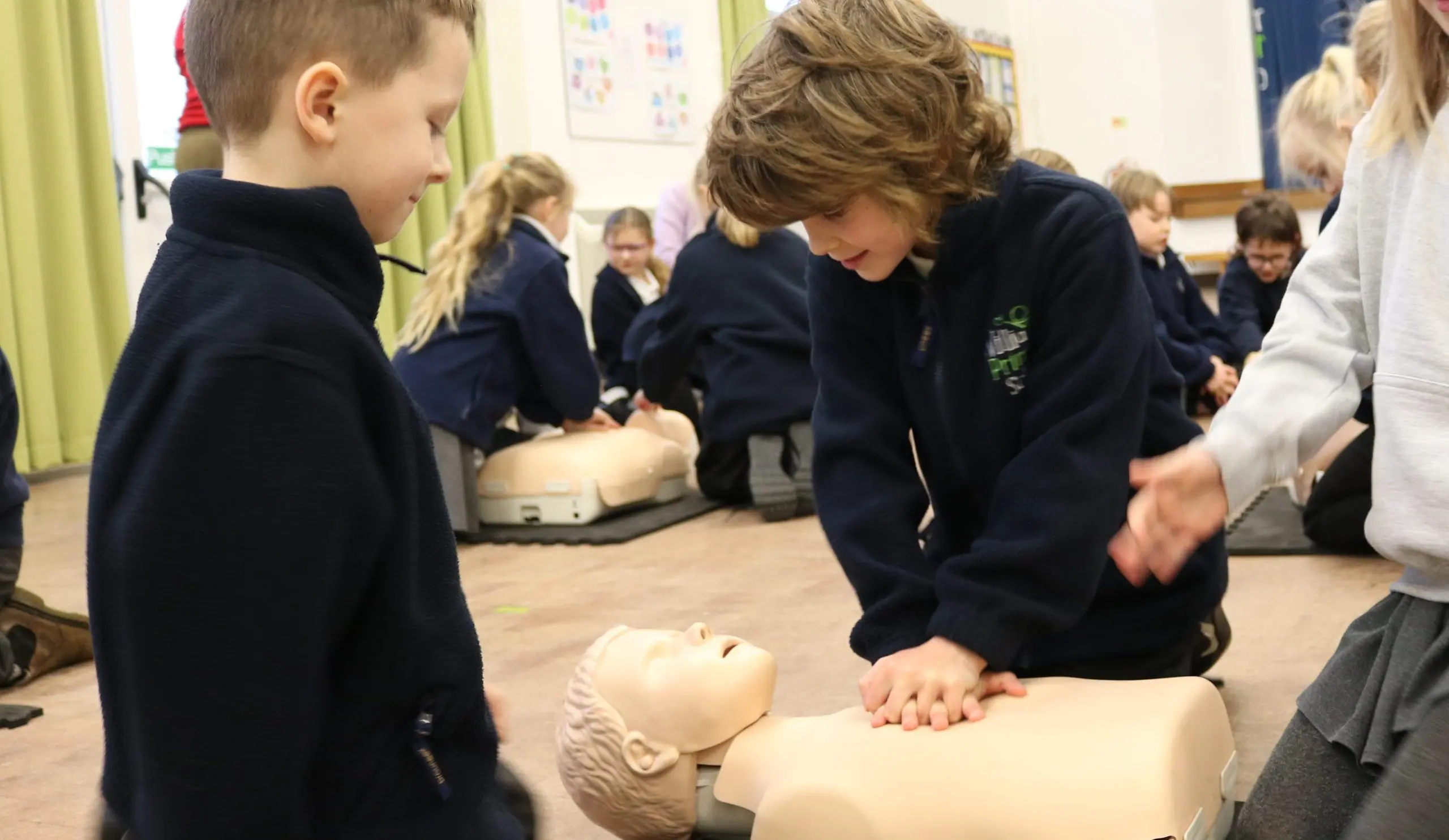
Our crews respond fast, but the first people to help somebody in an emergency will usually be those at the scene when it happens. So we’ve developed our Train the Trainer programme for schools because we want to help more young people in Norfolk, Suffolk, Cambridgeshire and Bedfordshire learn vital CPR and defibrillator skills to feel confident enough to help somebody in cardiac arrest. When more young people learn how to save a life, we build stronger, safer communities - generation after generation.
Why it matters
Currently, 4 in 10 secondary school students (source: RCUK) are leaving school without CPR or defibrillator training. We want to change that, so our Train the Trainer programme, alongside our Community Training Programme, will ensure that students across our region can receive free CPR and defibrillator training as part of their curriculum.
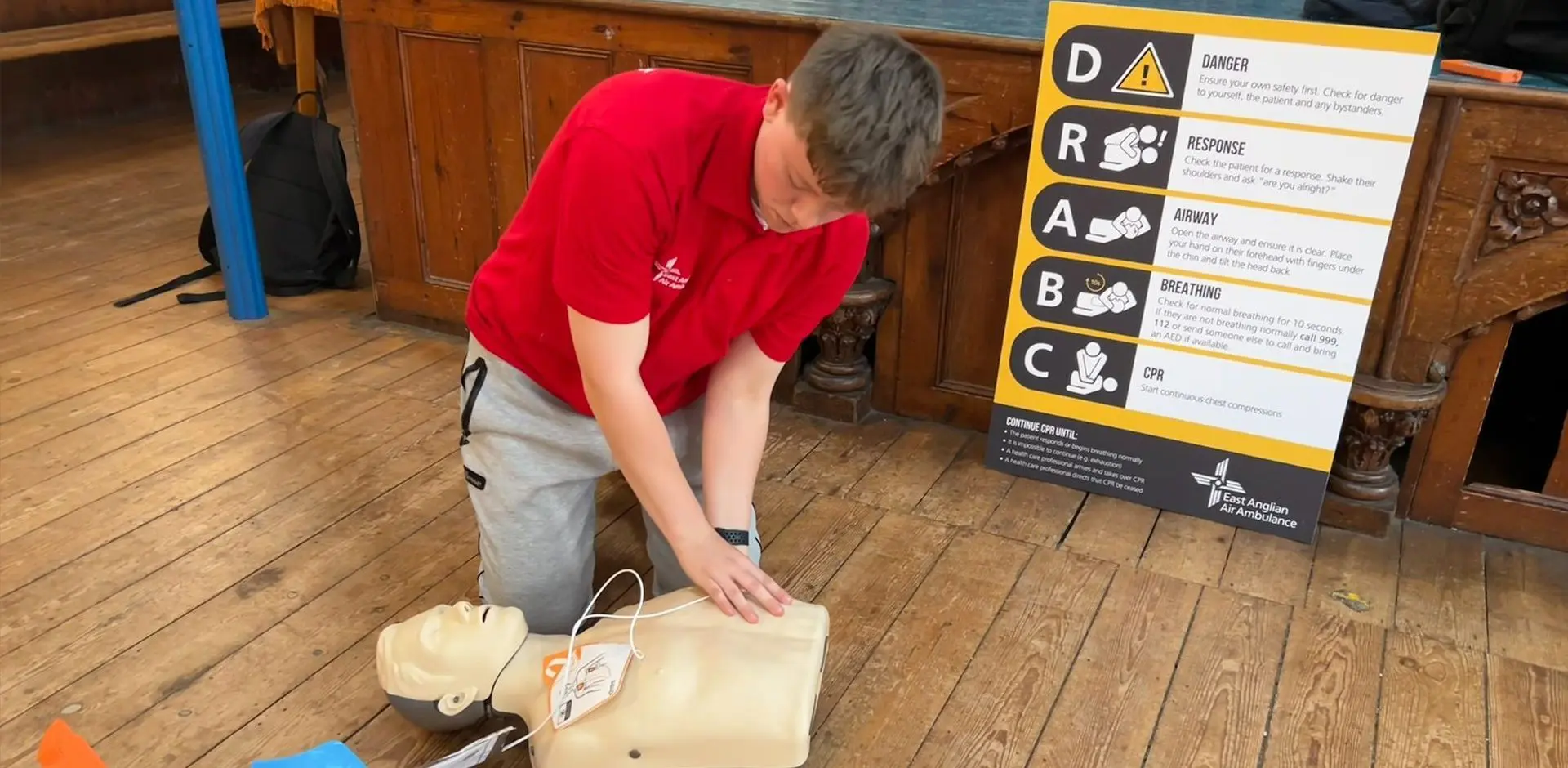
The programme is based on developing students into CPR and defibrillator trainers to cascade lifesaving skills to their peers and other students. Ideally students will be in Year 11, Year 12 or Year 13.
Becoming a competent trainer takes time and high-quality training – and we’ll provide that support and training to give students time to build their knowledge and confidence.
Training process
Once registered, we’ll book in a Train the Trainer session for students wishing to become trainers. The initial session is focused on how to deliver the session, as well as hints and tips on becoming a CPR trainer with us.
We recommend that you book in the following shadow sessions within two weeks of the initial training session.
All students taking part in the programme require certain training in order to be signed off as CPR trainers for East Anglian Air Ambulance as part of the Train the Trainer programme. This includes the initial training session, which takes around half a day and covers:
- An introduction to the CPR and defibrillator session that students will be teaching.
- Introduction to the PowerPoint and lesson to support their sessions.
- Teaching techniques to support their training.
- Practical demonstration to peers.
- Frequently asked questions.
Alongside this, we’ll give students a CPR Volunteer Booklet with additional resources to support their training.
After the initial training session, students will be ready to team up in pairs to run their very first training session. This will be arranged ahead of time, with the school lead deciding who’s involved. One of our own trainers, or our CPR Lead Volunteer, will be there to support them.
If the trainer feels they’ve delivered the session well and to the standard needed, the students will be signed off and awarded their CPR Volunteer patch. From there, they’ll be ready lead their own sessions independently.
CPR Kit
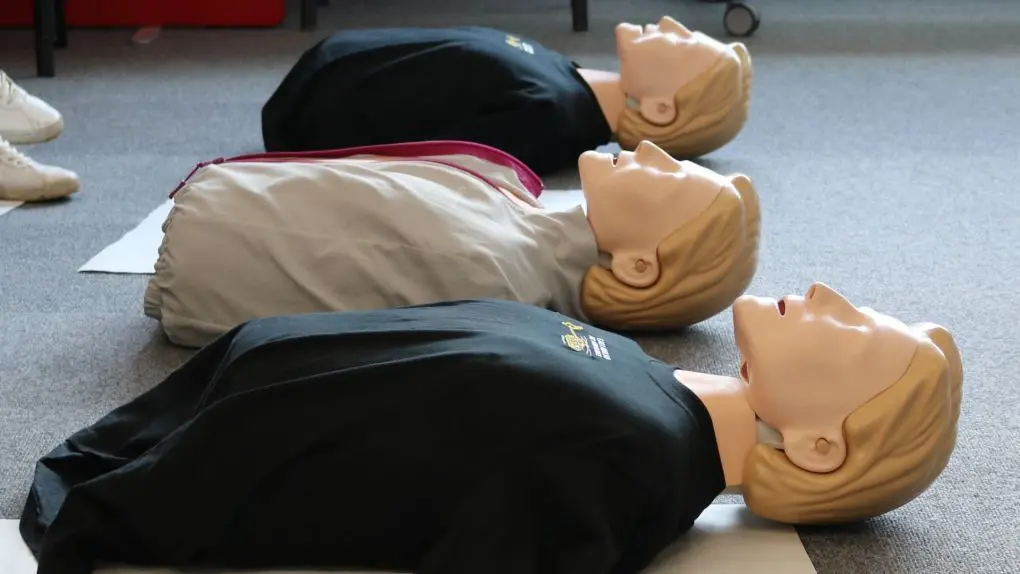
Schools joining the programme will need to have CPR and defibrillator training equipment to use alongside the resources we provide. This includes manikins, inflatable manikins (like the British Heart Foundation’s CALL PUSH RESCUE set), and training defibrillators.
If your school doesn’t have kit ready at the start, we can lend you what’s needed to get things underway. While the programme is running, schools can choose to buy their own equipment to support future sessions, and we’re happy to help guide those purchases.
School support and organising sessions
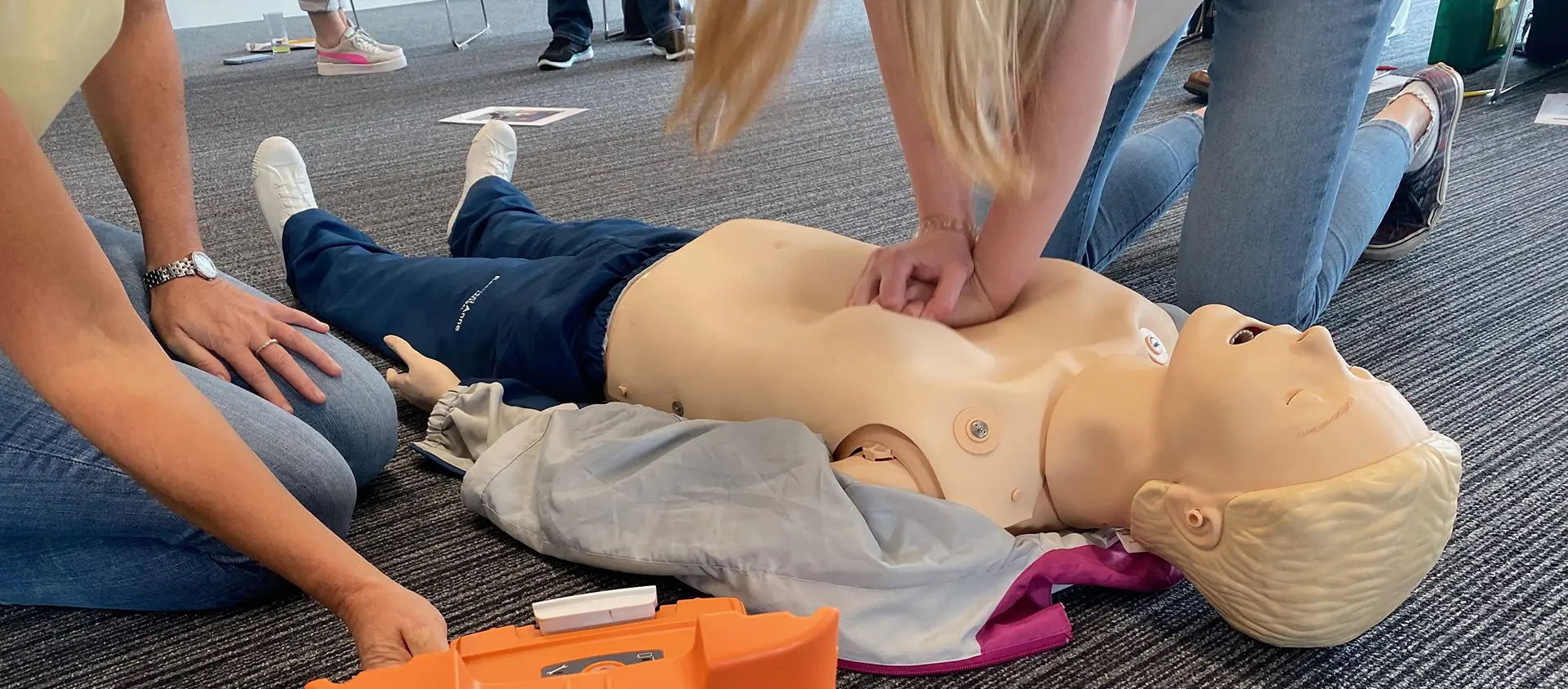
For the Train the Trainer programme to work well, schools will need to set aside time for students to run their sessions. We know every school works differently and has its own timetable, so we’re always happy to be flexible in how the training is delivered.
What’s most important is that students get regular chances to practise, so their skills stay fresh and confident. That’s why we ask the school lead to help make sure sessions are happening, ideally across all year groups.
Keeping in touch
All communication for the Train the Trainer programme will take place between the school lead and East Anglian Air Ambulance. We’re not able to contact students directly, so we rely on the school lead to help coordinate the initial training and shadowing sessions, schedule the one hour CPR lessons for our trainers, and share back the number of students who’ve taken part.
This partnership helps everything run smoothly, and ensures students get the support they need at each stage of the programme.
Inspired to join us?
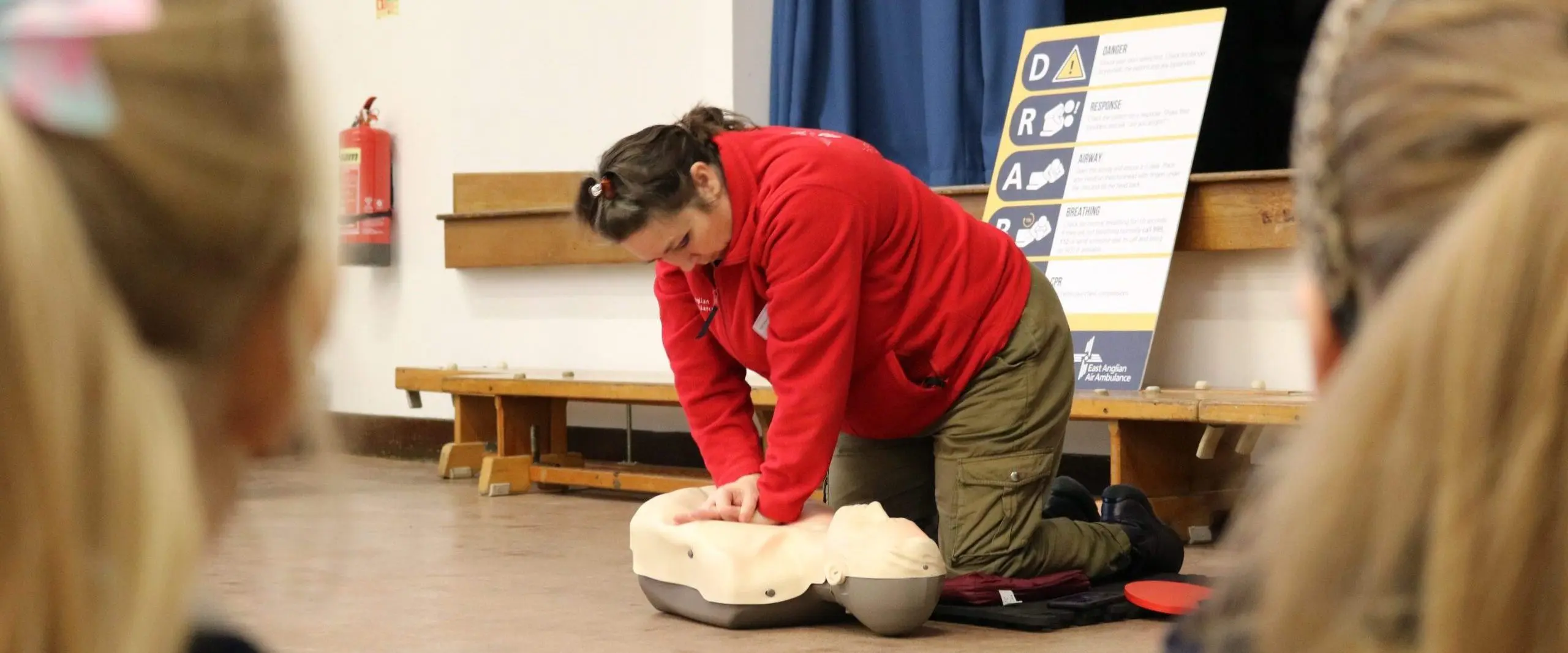
By learning CPR and passing those skills on, young people could become lifesavers in their schools and communities. If your school is ready to inspire young people and make a real difference, we’d love you to join us – get in touch to discuss next steps.