Treatment & care
Our doctors and critical care paramedics bring the skills and equipment of a hospital straight to the patient – wherever they are. They can give blood transfusions, advanced pain relief, sedation, anaesthesia, and even carry out surgical procedures right there at the scene. It means that when every second counts, patients receive urgent treatment and care without before they even reach hospital. We think that’s pretty amazing – and it’s all thanks to the generosity of incredible people like you.
Advanced care at the scene
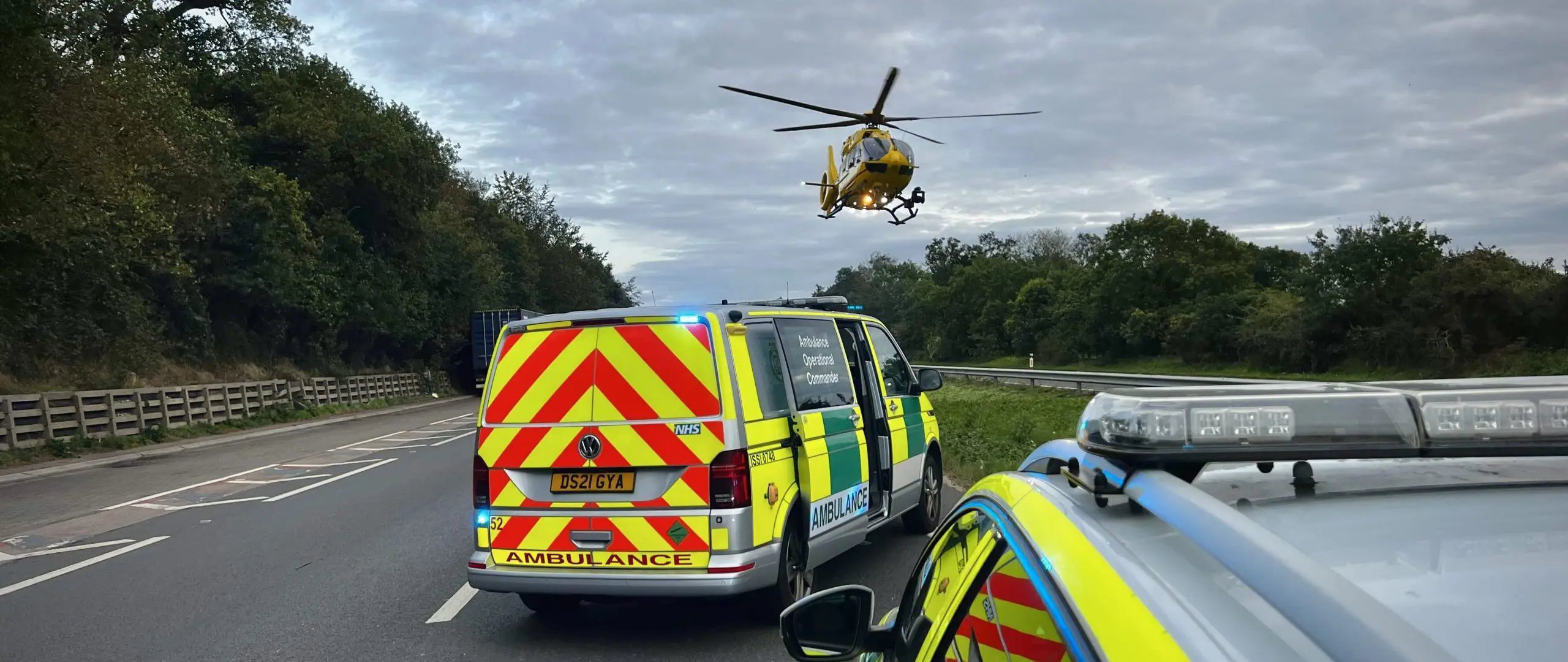
We’re a vital partner to the emergency services, providing critical care at the most serious of incidents. The care our clinicians provide goes beyond what a standard ambulance can offer – combining advanced treatment at the scene with rapid transfer to the most appropriate hospital. This gives every patient the best possible chance of surviving and recovering from a life‑threatening emergency.
We never stand still. Our teams constantly review and refine the service, drawing on the latest evidence in pre‑hospital care to introduce new treatments, equipment, and skills – always striving to do the best for the next patient, and the next, and the next.
SPEAR
Specialist Percutaneous Emergency Aortic Resuscitation (SPEAR) is a pioneering technique used by our doctors to help people in cardiac arrest. By carefully inserting a needle into an artery in the groin, our clinicians can monitor blood pressure beat by beat in real time.
This technique allows our teams to manage cardiac arrests with greater precision and deliver the most effective treatment possible. SPEAR provides real-time feedback regarding the quality of CPR being delivered and indicates whether there is adequate blood supply to a patient’s brain and heart. This gives our crews vital information that can make the difference between life and death.
Thanks to the support of our community, we can bring cutting‑edge interventions like SPEAR to the scene, ensuring that patients receive hospital‑level care the moment they need it.
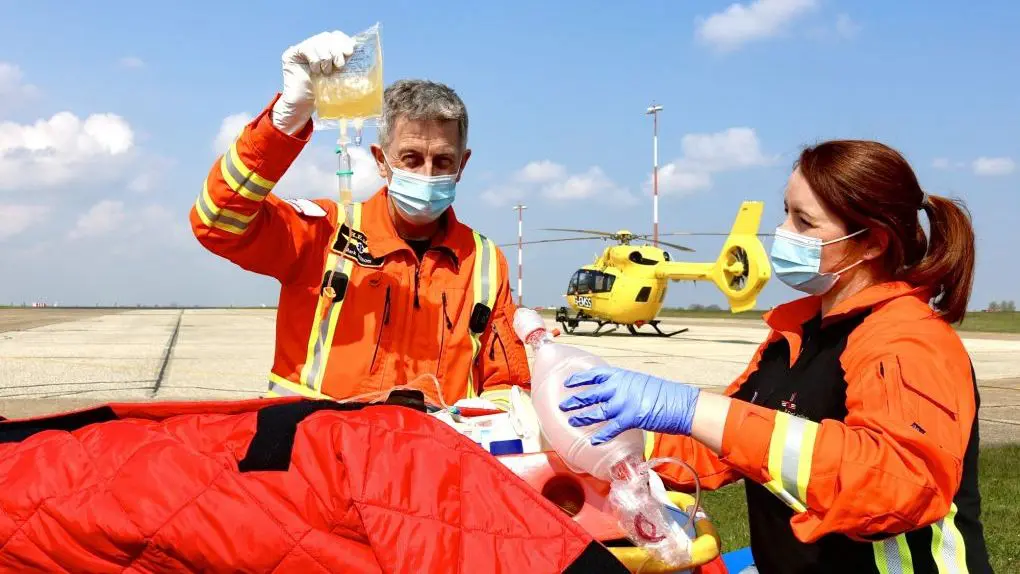
Blood transfusions
When a patient is suffering catastrophic bleeding, every second counts. By administering blood products right at the scene or on the way to hospital, our crews can stabilise blood pressure and give patients the best possible chance of survival.
Thanks to the support of our community, we’re able to carry blood and Lyoplas (freeze‑dried plasma) on board every helicopter and critical care car. These vital treatments mean our doctors and paramedics can deliver hospital‑level care wherever it’s needed most – turning moments of crisis into chances for life.
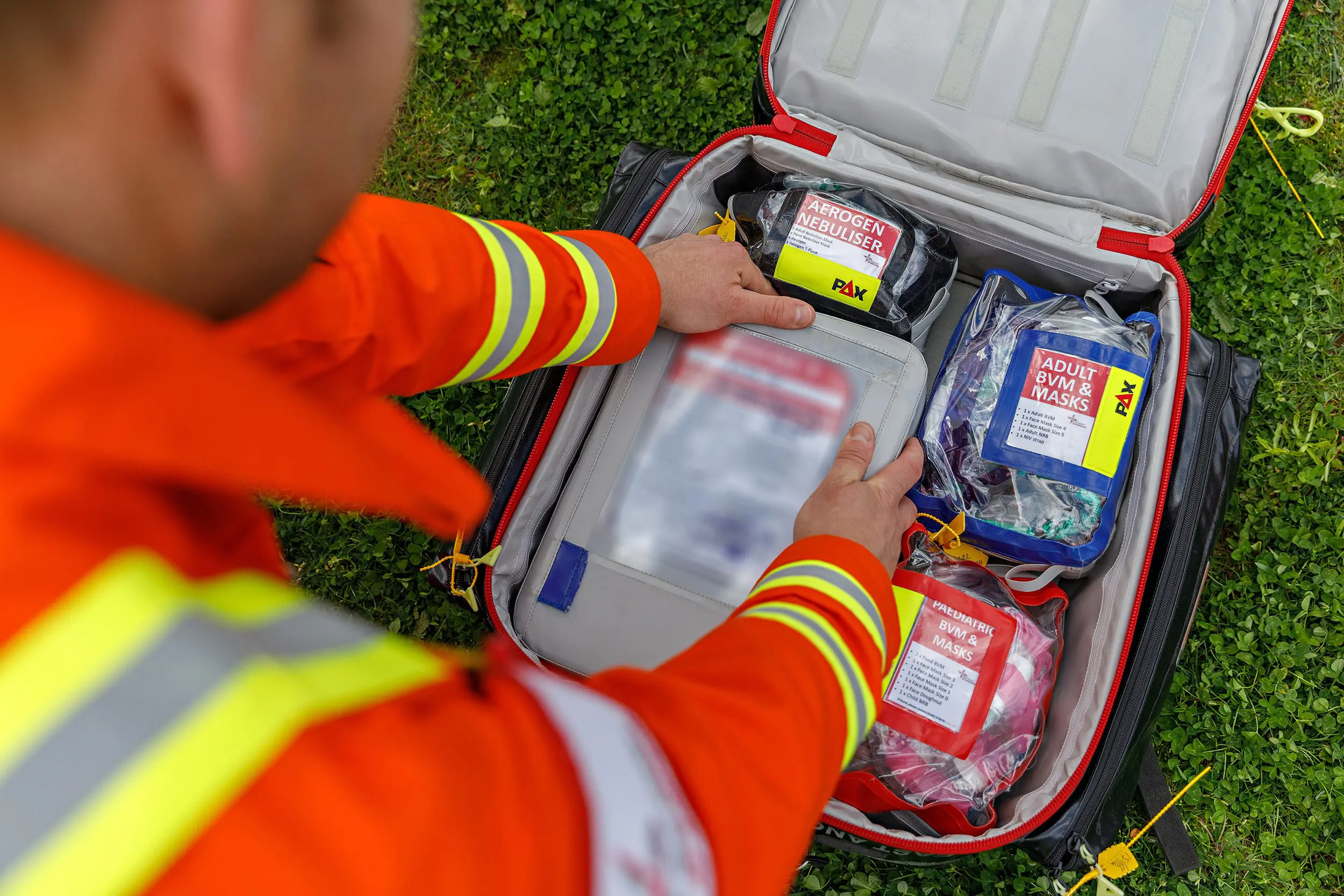
Sedation and pain relief
Our clinicians use sedation to make difficult moments more comfortable for patients. It can be needed when a joint must be relocated, a fracture manipulated, or when someone is distressed after a seizure. Given intravenously, sedation helps patients feel calm and relaxed while our crews carry out essential procedures.
Sedation isn’t one‑size‑fits‑all. It ranges from minimal to moderate to deep, depending on what the patient needs. For example, someone with an open leg fracture will usually require a deeper level of sedation so they remain unaware during the painful, but vital, manipulation procedure.
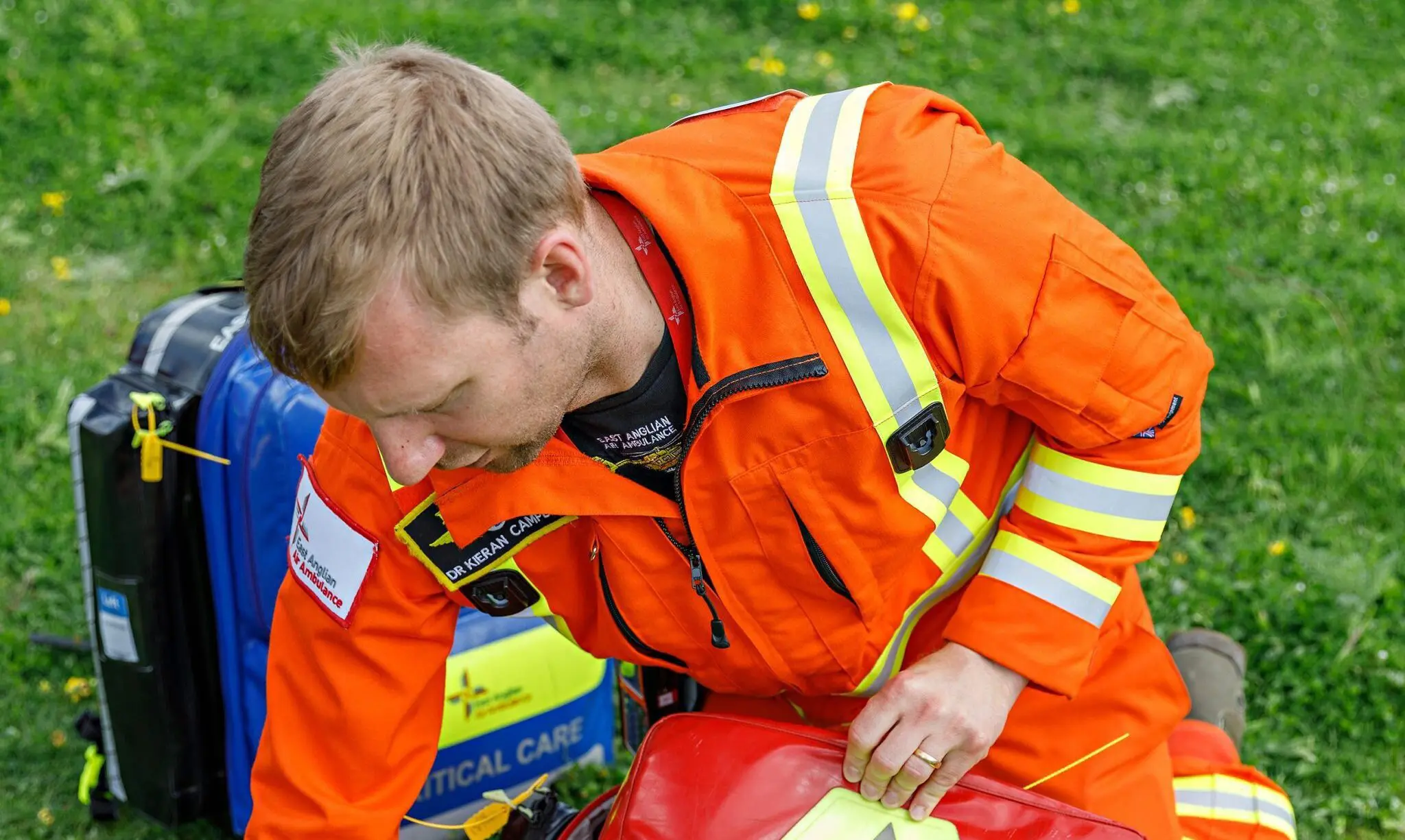
Surgical procedures
Our doctors and paramedics can carry out surgical procedures right at the scene, treatments that would normally happen inside a hospital. By stepping in as soon as possible, our crews give patients facing life‑threatening emergencies the urgent care they need, offering hope when it matters most.
Sometimes this means creating a surgical airway to help a patient breathe. In other cases, it may involve a thoracostomy – making a careful incision in the chest to release trapped air or blood after severe trauma.
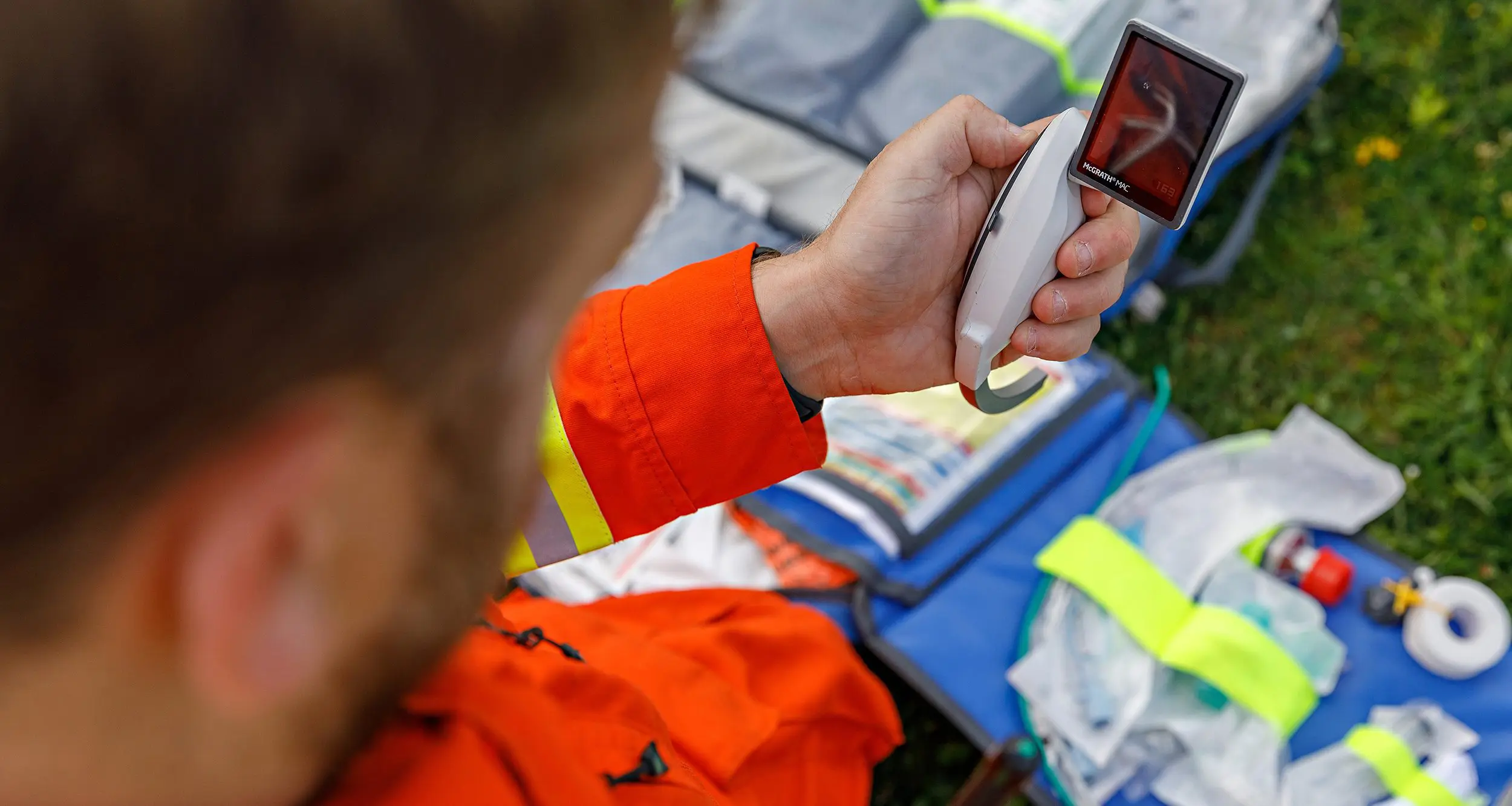
Intubation
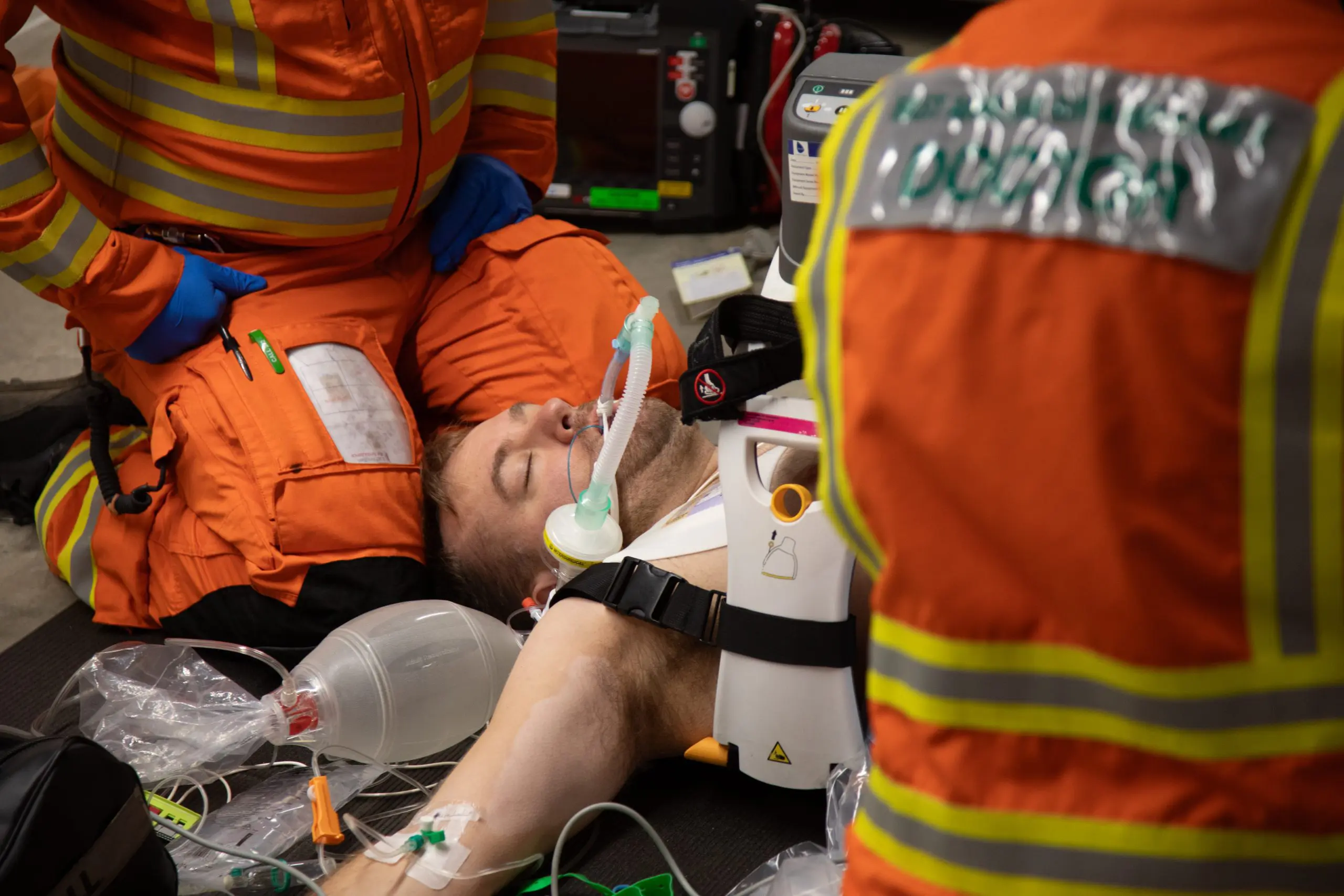
Intubation is a vital procedure used when a patient cannot breathe on their own, or when our clinicians need to take over their breathing to keep them safe and as stable as possible. It involves gently placing a tube through the mouth to maintain an open airway, which is then connected to a ventilator to move air in and out of the lungs.
For patients in cardiac arrest, our clinicians routinely perform intubation as part of their care. This intervention not only supports breathing but also gives patients the best possible chance of survival.
Treating children
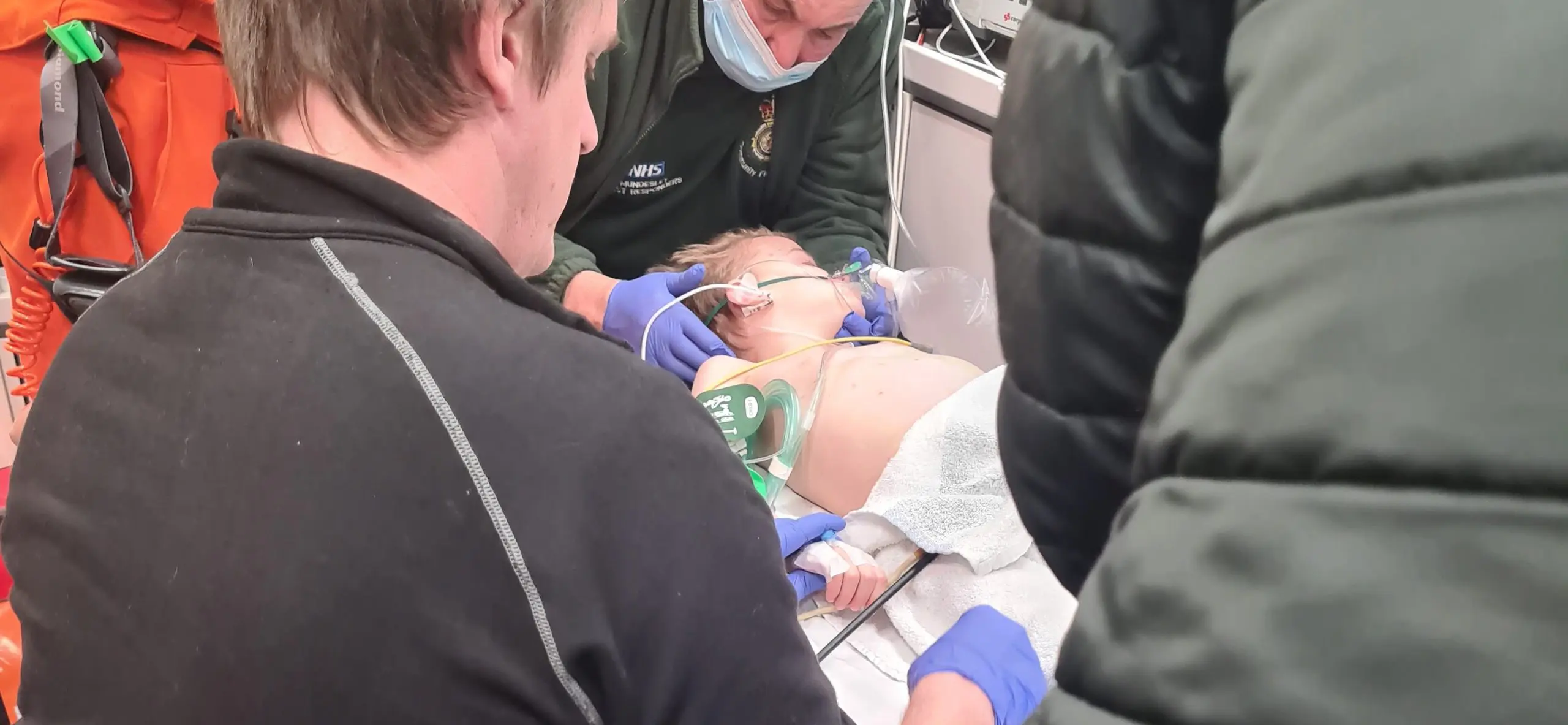
Little doesn’t mean less. We’re trained and equipped to treat children and babies. Some of the crew bring additional specialist expertise in paediatric care – including a Paediatric Emergency Medicine Consultant and a Consultant Paediatric Anaesthetist.
We also ensure that clinicians who are new to East Anglian Air Ambulance receive dedicated training in paediatric critical care, so they can respond with confidence, as well as compassion when the youngest patients need urgent help.
Pre Hospital Emergency Anaesthesia (PHEA)
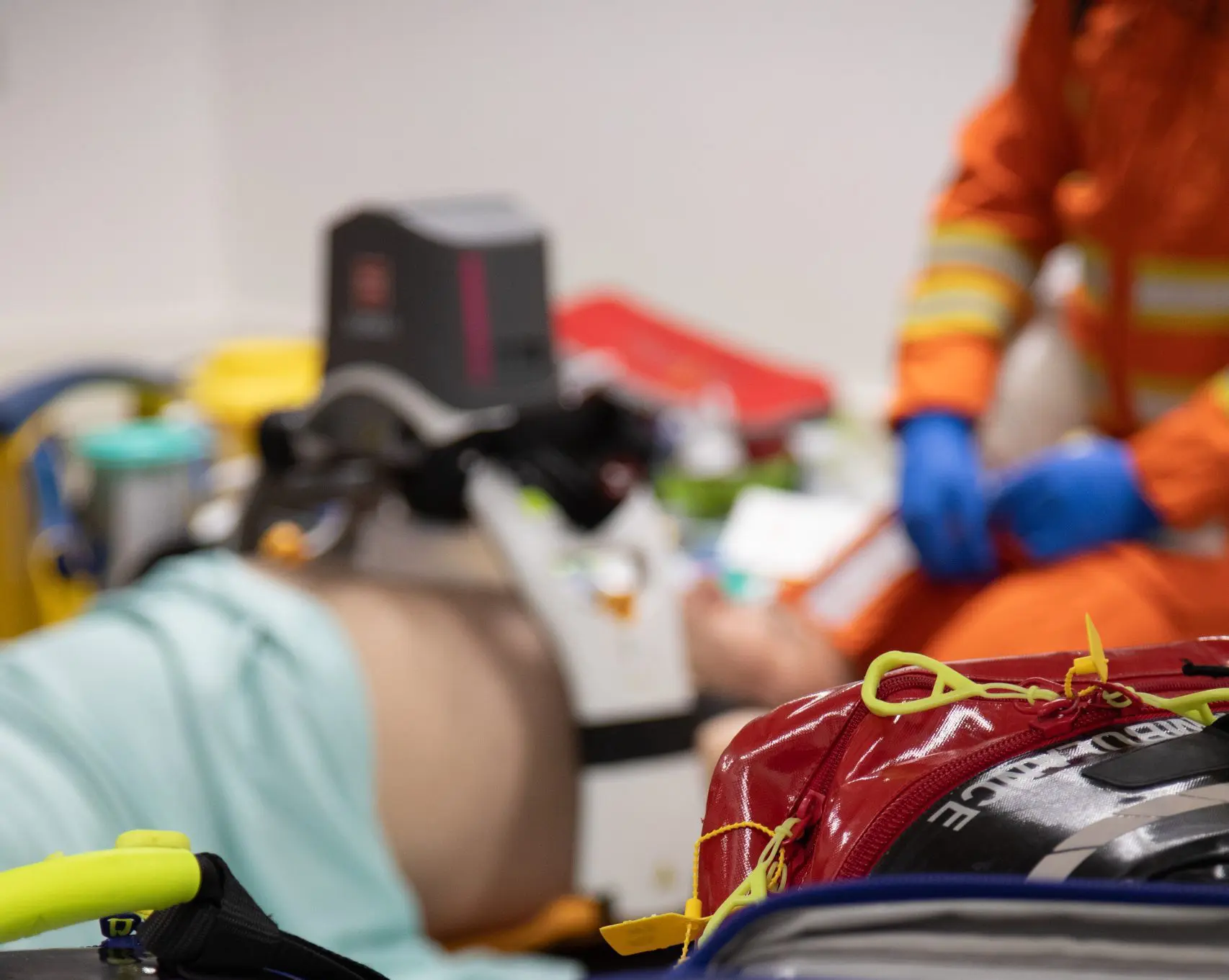
Placing a patient into an induced coma is one of the most advanced critical care interventions our crews can provide, going far beyond what a standard ambulance service is able to deliver. It can be necessary in a range of medical or trauma emergencies, from protecting vital organs when a patient isn’t getting enough oxygen, to easing suffering in cases such as severe burns.
Every patient is different, so our clinicians carefully assess them to determine the right anaesthetic dosage. They prepare the airway kit, oxygen, suction, and ventilator, while also ensuring the patient is positioned safely and comfortably. Cannulas are inserted to deliver anaesthetic medication and fluids, and the team runs through a two‑person checklist to ensure they are fully prepared.
Within 45–60 seconds, the medication takes effect, gently stopping the patient’s own breathing so the crew can take over with the airway kit. Throughout, they monitor vital signs, blood pressure and sedation levels, balancing every detail with precision.
During transfer by land or air, the patient is kept asleep through a continuous infusion of anaesthetic medication delivered via a Micrel syringe driver. This careful process ensures that even in the most challenging circumstances, patients receive hospital‑level care at the scene.
Arterial line
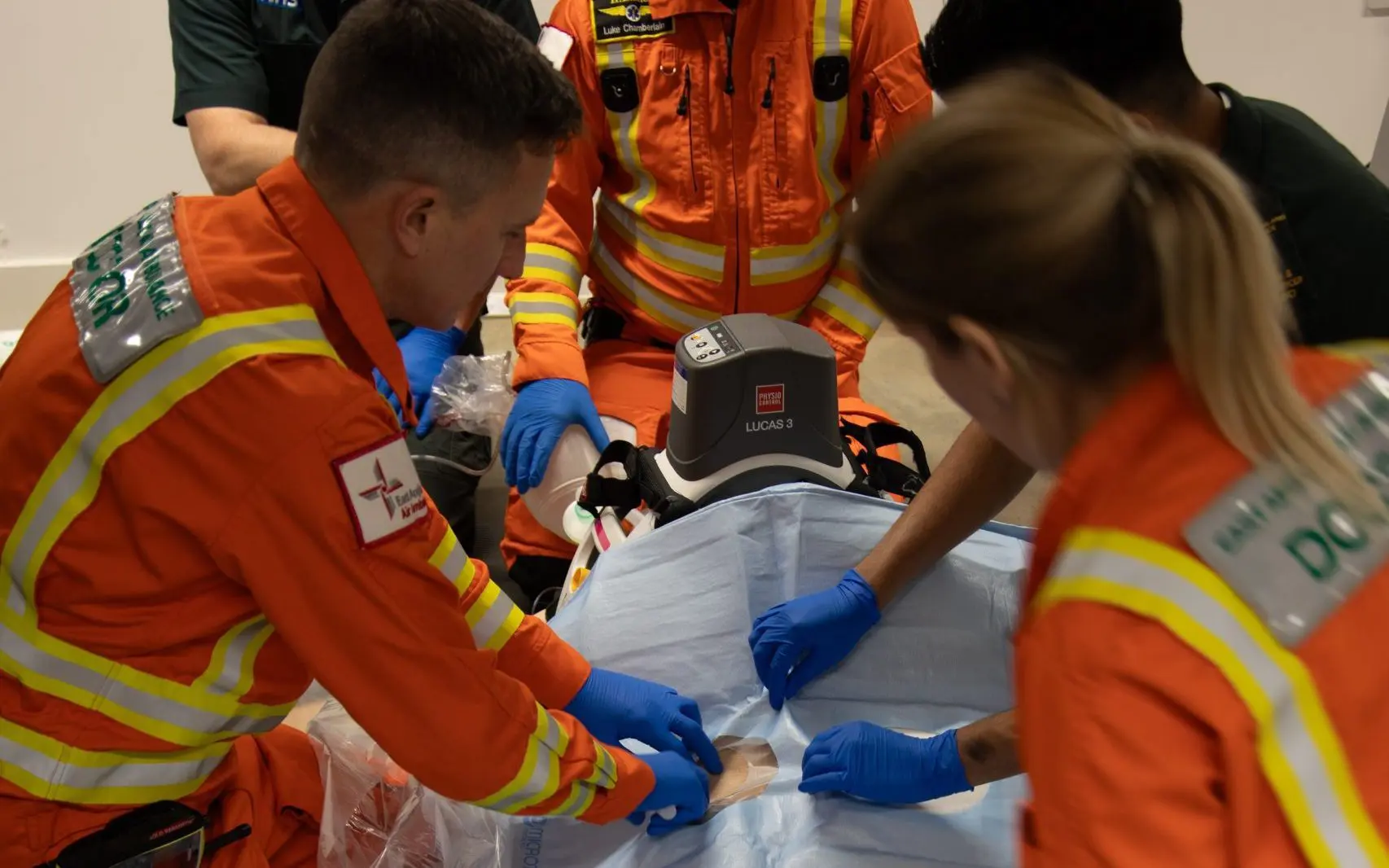
An arterial line is a tiny tube placed directly into an artery, giving clinicians a beat‑by‑beat picture of a patient’s blood pressure. In the pre‑hospital setting, this real‑time insight means the team can respond instantly to even the smallest changes in a patient’s condition.
Whenever somebody needs a pre‑hospital emergency anaesthetic, the crew will work to place an arterial line so they can provide the safest, most responsive care possible.
Manipulation of fractures
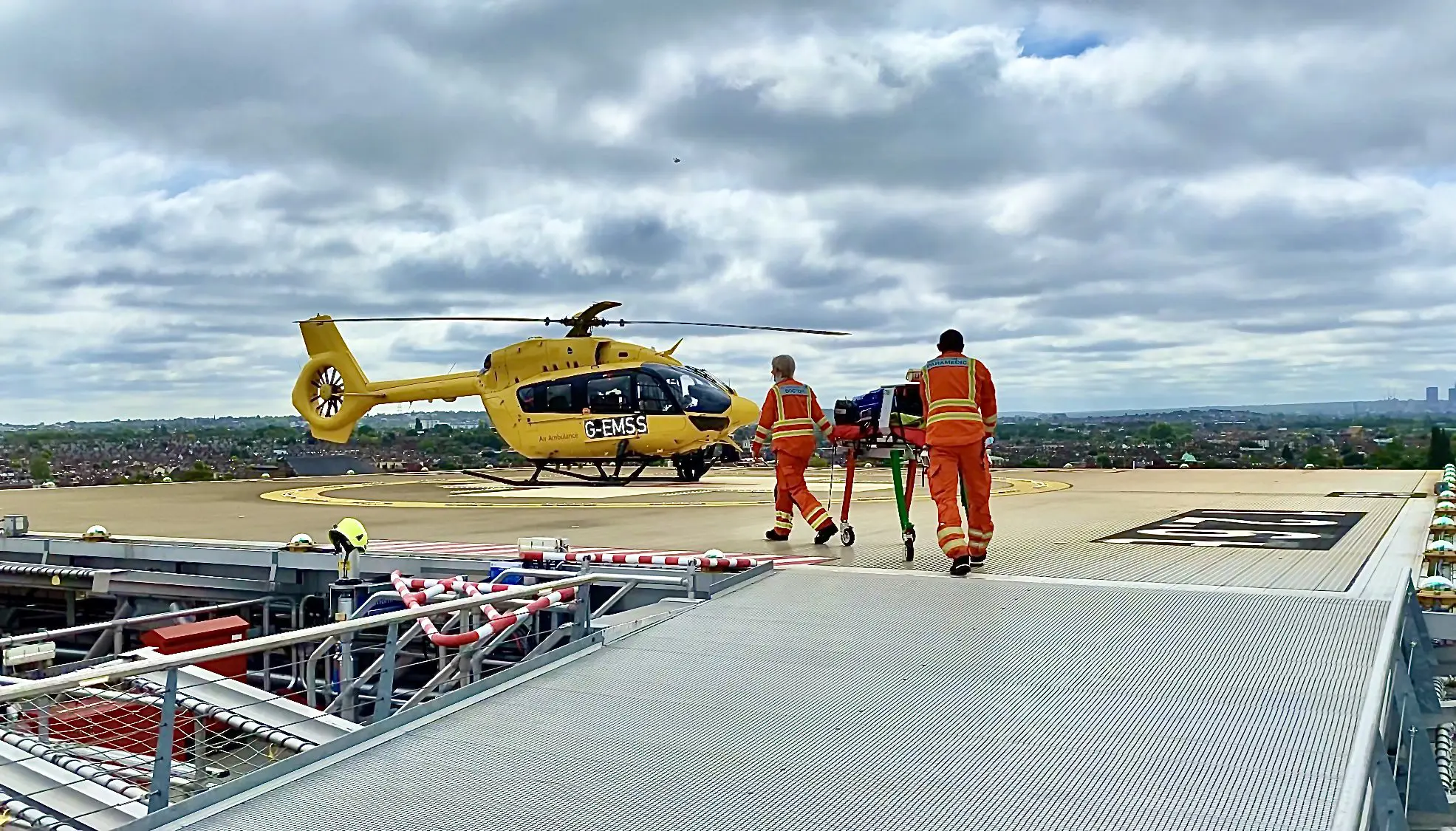
When someone suffers a serious break or an open fracture, it’s not just painful – it’s frightening. That’s when our crew steps in quickly with the skills and equipment to make a real difference. These injuries often need the bone to be carefully realigned before the patient can be taken to hospital, and our team can do this safely and effectively right at the scene.
They can also give antibiotics straight away to reduce the risk of infection. Once the bone is repositioned, they apply a temporary ‘Benecast’ to keep everything stable and make the journey to hospital as comfortable as possible.