The kit we carry
The high-tech equipment carried by East Anglian Air Ambulance’s helicopters and critical care cars enables enhanced care at the incident scene – when the patient needs it most. Learn more about some of the latest equipment carried on board our helicopters and critical care cars when the crew attend life-threatening emergencies.
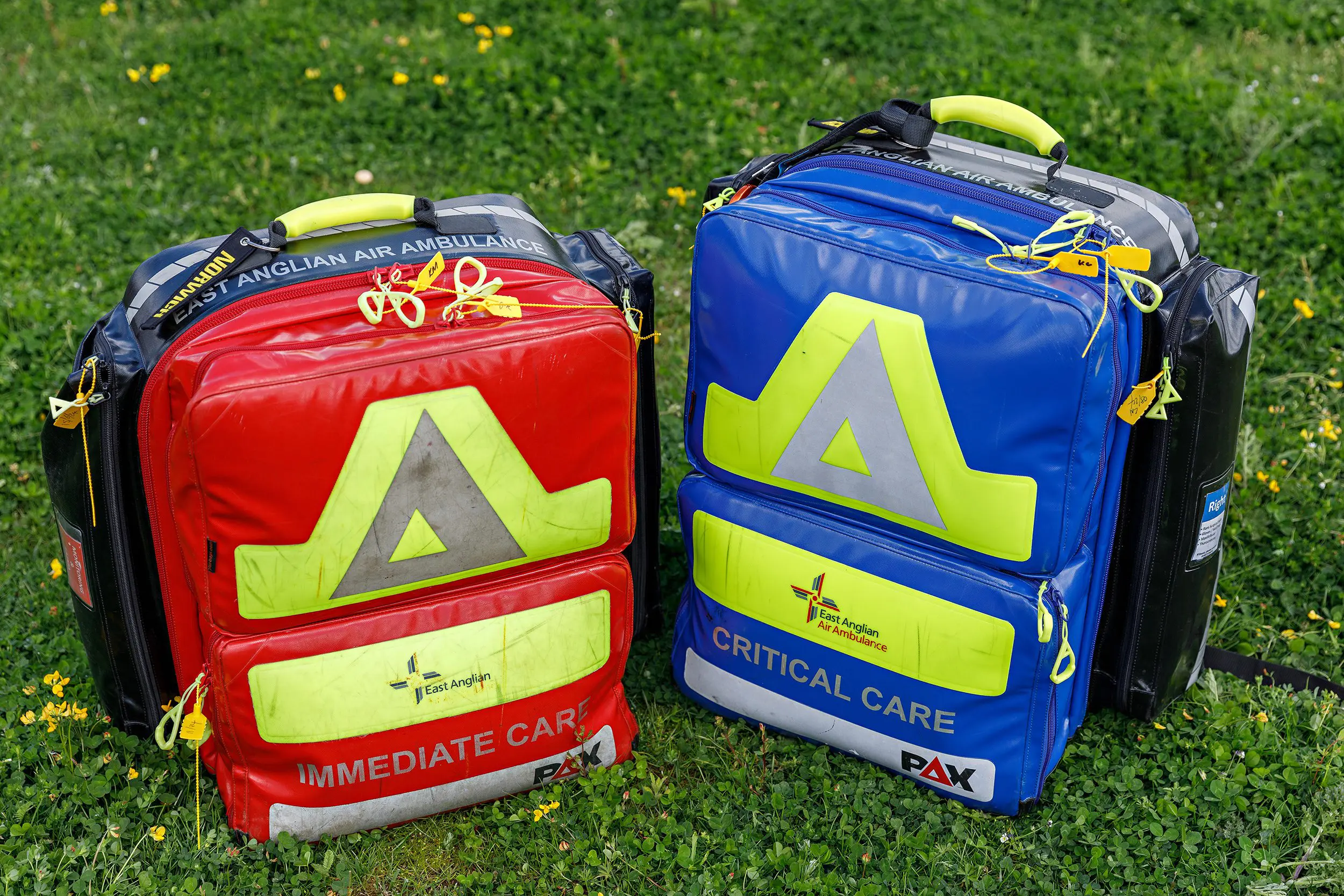
Red and blue kit bags
The red bag is the ‘Immediate Care’ bag. It contains equipment we are likely to need to support the East of England Ambulance Service. This includes basic airway equipment, emergency medications and items which help to manage significant blood loss.
The blue bag is a ‘Critical Care’ bag, which contains equipment for the A&E level interventions and care that we carry out at the scene. We tend to use this bag more often because critical care is the usual reason EAAA is tasked. The bag contains a variety of extensive equipment that can give our patients the best chance of a positive outcome.
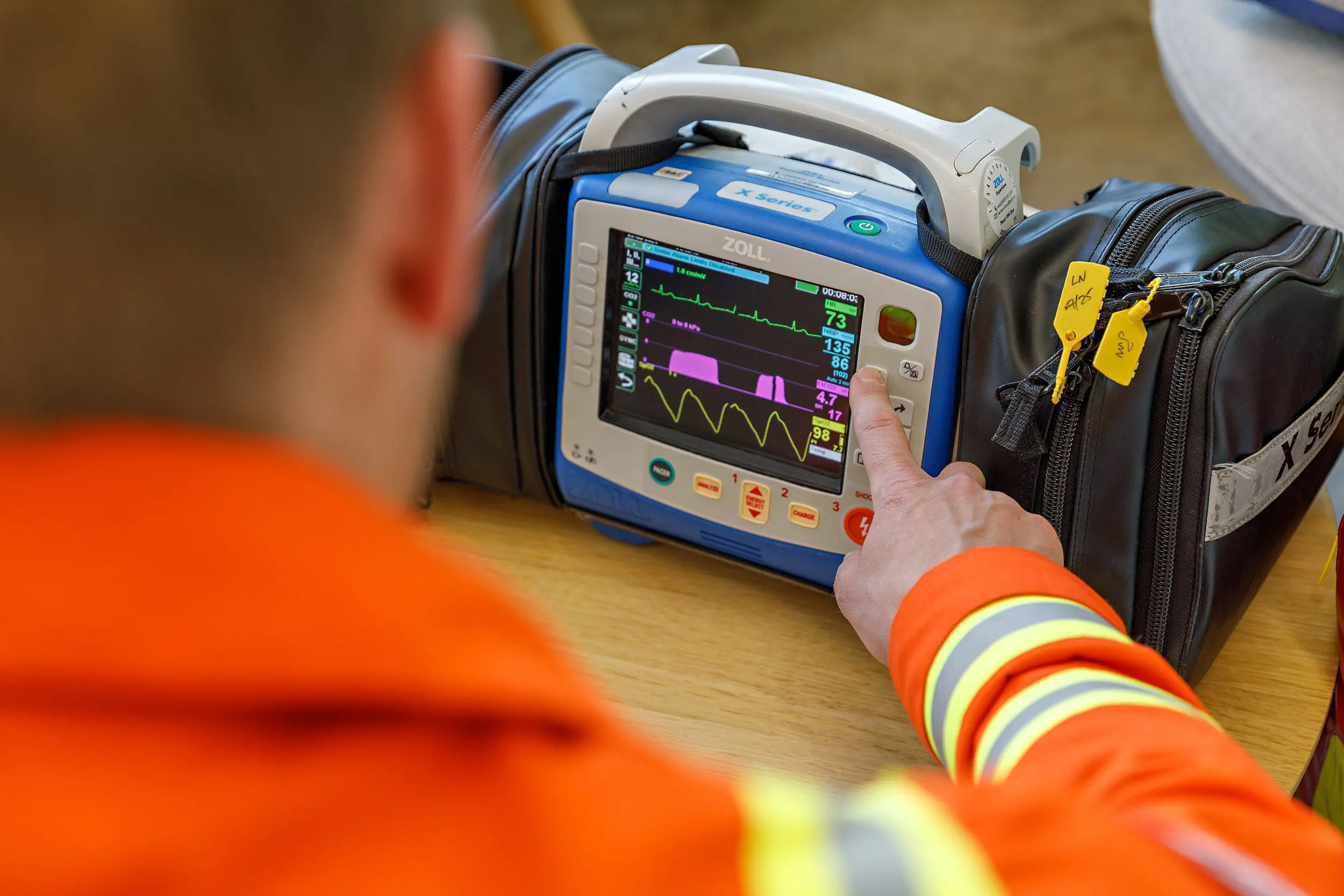
Zoll X Series advanced patient monitors
Patient monitors are used at every incident. This monitor typically performs two main functions:
- Defibrillation of patients in cardiac arrest, or with life threatening arrhythmias
- On-going multi-modality monitoring of critically ill or injured patients.
These measurements allow the crew to titrate their interventions and provide similar monitoring and care to that of an emergency department. This monitor also gives our crews the ability to download patient monitoring data directly and securely into the patient care record to provide a comprehensive record of the entire care episode.
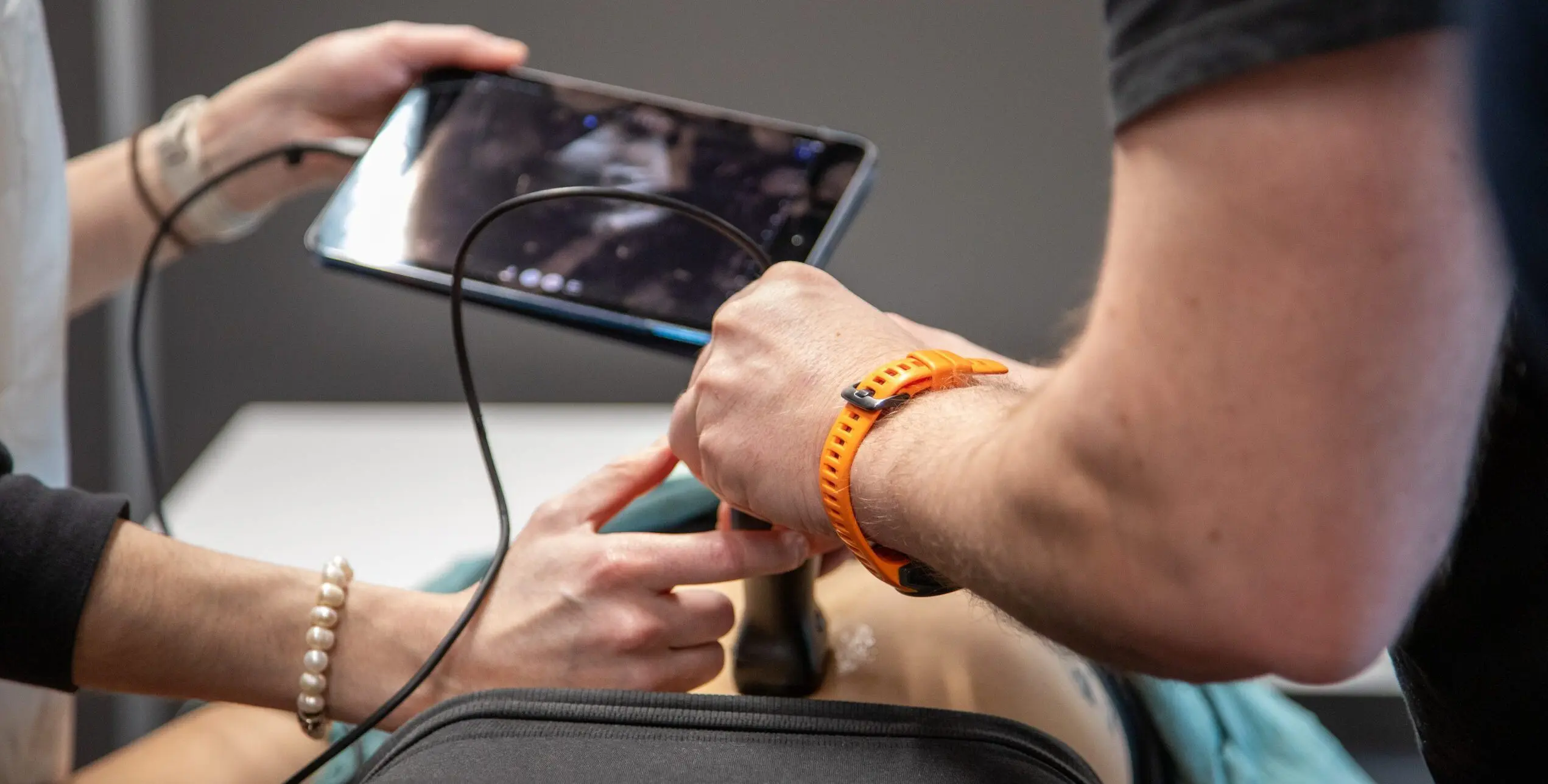
Butterfly Point of Care Ultrasound
The internationally recognised acronym POCUS refers to Point of Care Ultrasound and is a procedure we carry out at the patient’s side. It differs from diagnostic ultrasound as it is used to inform decision-making at the scene of a medical emergency.
The handheld ‘butterfly ultrasound probe’ can be attached to the crew’s iPad or iPhone, which acts as the display device. It can look deep within internal organs for signs of damage or internal bleeding, providing high-quality images to help transform emergency pre-hospital care.
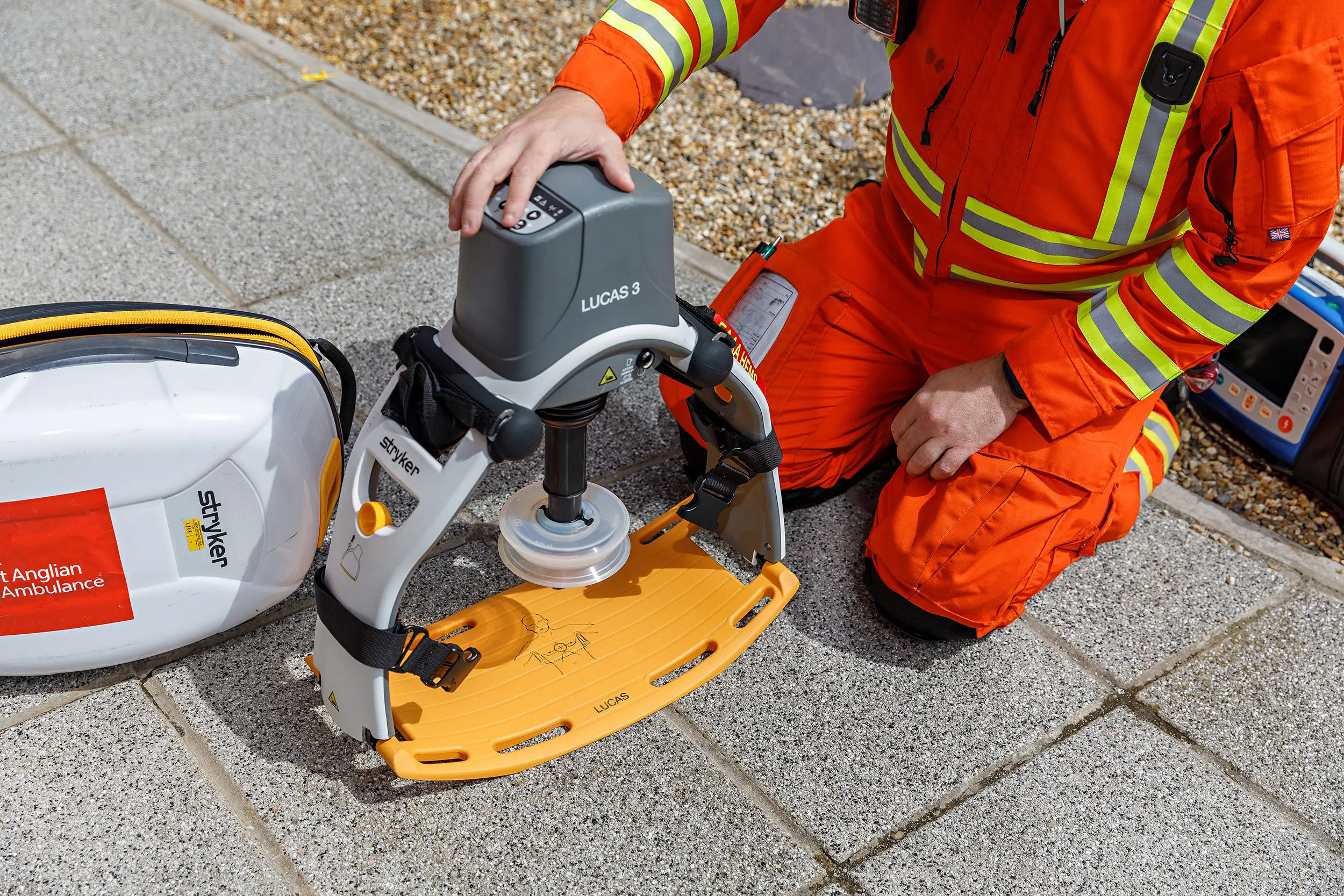
LUCAS
LUCAS is a mechanical chest compression system used by clinicians all over the world to improve the quality of CPR given to a patient in cardiac arrest and aiming to achieve a return of spontaneous circulation (ROSC). Use of a LUCAS machine also gives the clinicians at the scene time to make important decisions in terms of critical care interventions and next steps.
Using a mechanical device to deliver chest compressions at the scene of a medical emergency can help to improve patient outcomes by removing fatigue and individual variations which can be seen in manual CPR. It can also provide consistent, high quality chest compressions when the patient is being moved and transported to hospital and frees up clinicians so they can do other things to help the patient.
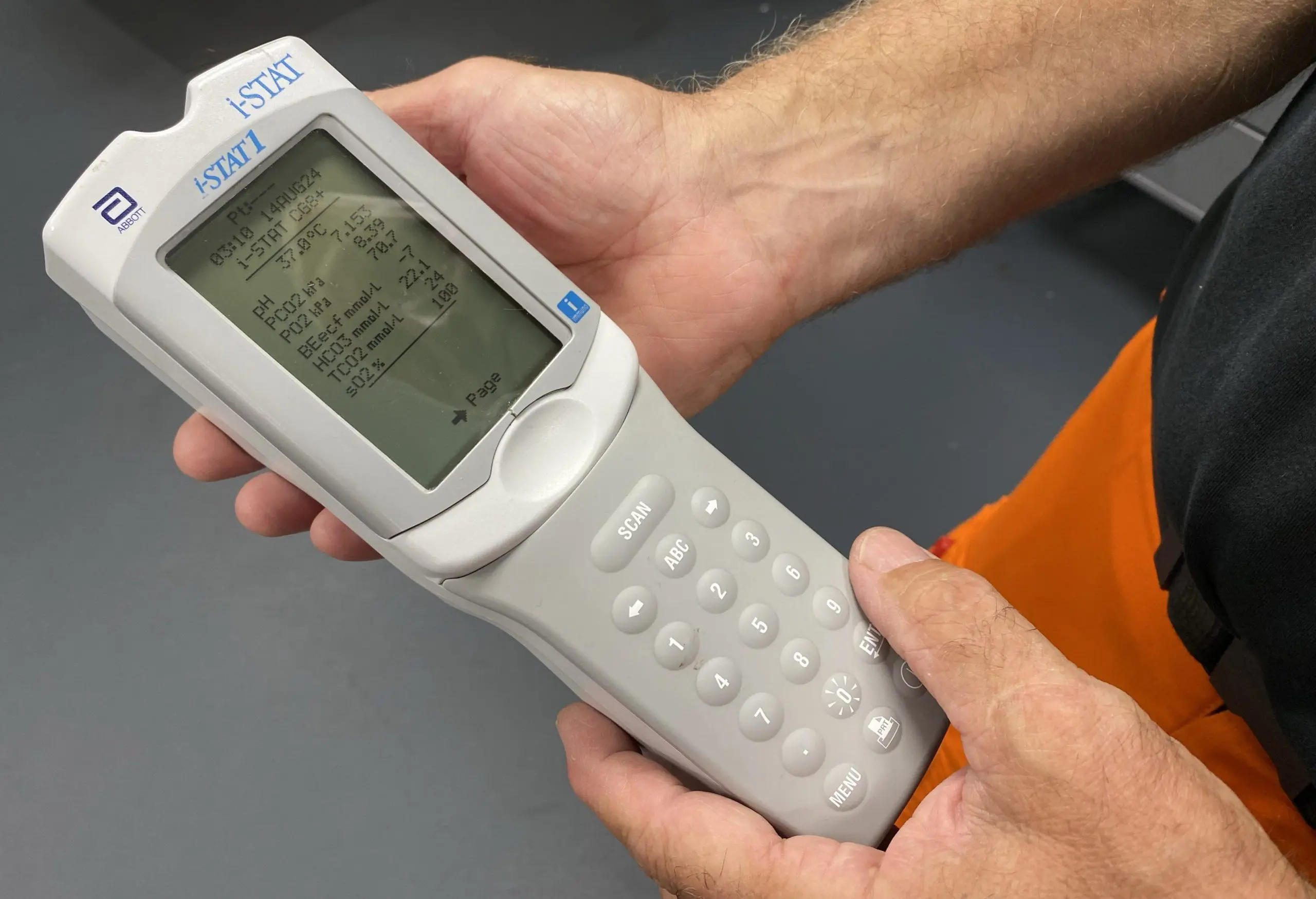
iStat Point of Care Blood Testing
This is a handheld blood analyser carried by EAAA crews, providing diagnostic blood gas results in minutes.
Blood gas analysers produce a range of results, including pH, oxygen and carbon dioxide concentrations. Using the results of blood gas analysers helps our clinicians provide the appropriate treatment and management for our patients. As an example, our ventilation strategies will be guided by oxygen and carbon dioxide values.
These are commonly used for patients who are critically unwell, anaesthetised and requiring ventilatory support.
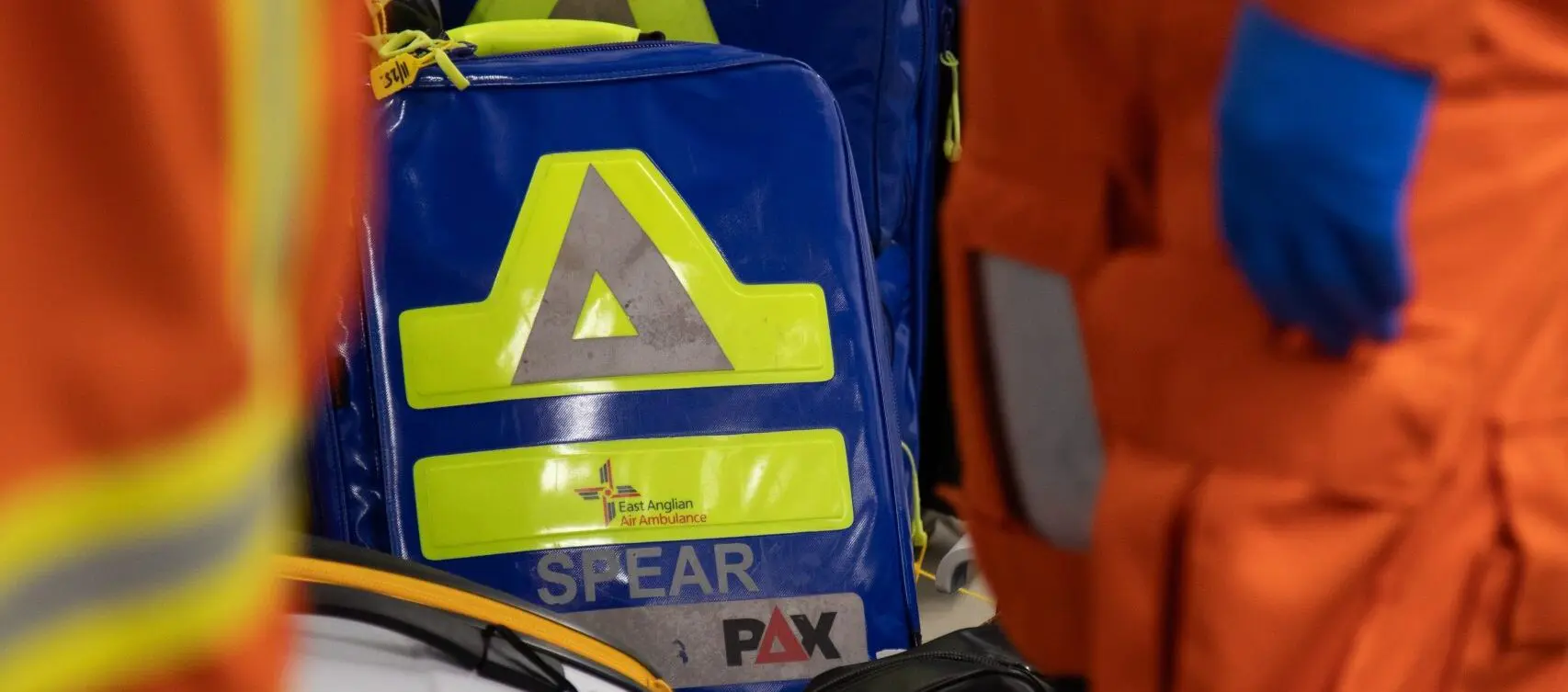
SPEAR Bag
The innovative SPEAR procedure performed by our clinicians in the pre-hospital environment. It is part of a stepwise approach to advancing endovascular interventions for enhancing care of out-of-hospital cardiac arrest patients.
The equipment for SPEAR is carried in its own bag. It’s a surgical procedure, therefore a dedicated bag reduces infection risk. PPE such as gowns and sterile gloves are also included.
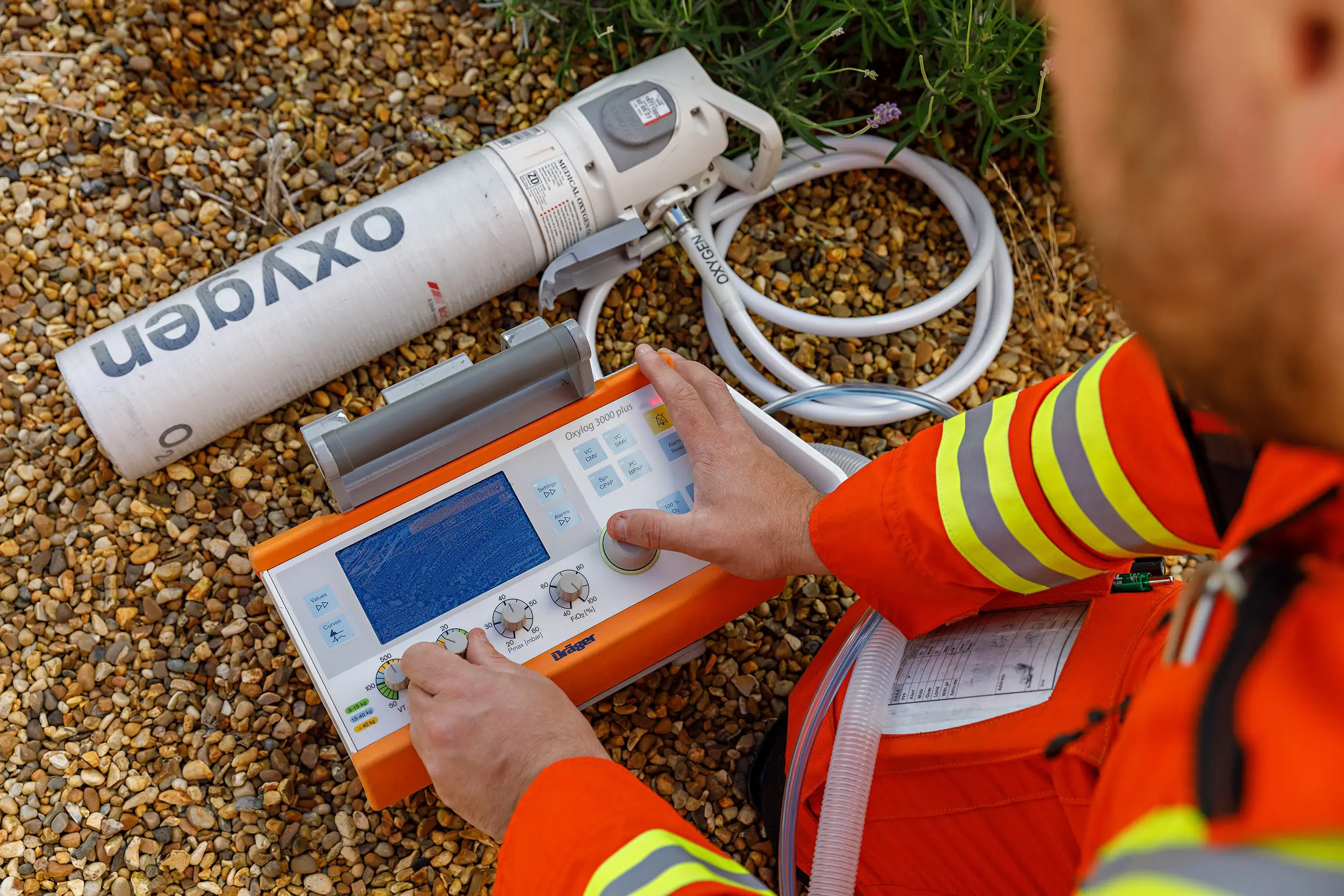
Ventilators
Ventilators are mechanical devices which support a patient’s breathing. We will use this equipment to ventilate a patient to whom we have delivered a pre-hospital emergency anaesthetic, for example in the event of a cardiac arrest, or a life-threatening seizure.
Oxylog is a brand of ventilator. We also have Babypac ventilators; this brand of ventilator is used specifically for paediatric patients. They will be discontinued as a device, therefore we will require a replacement that will ventilate both adults and children.
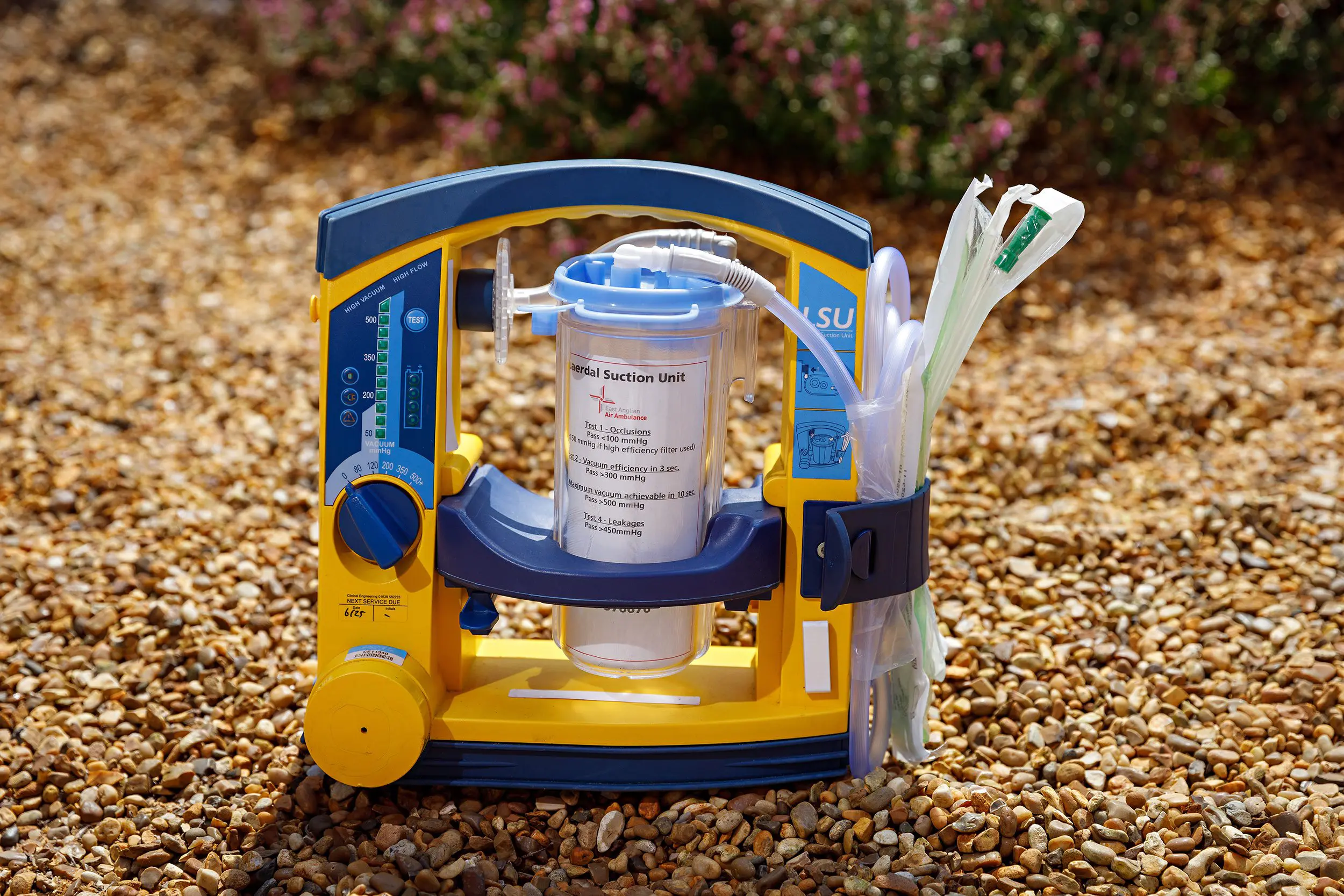
Laerdal suction unit
This is a suction device, which is predominately used to remove fluids, blood and vomit particles from a patient’s airway.
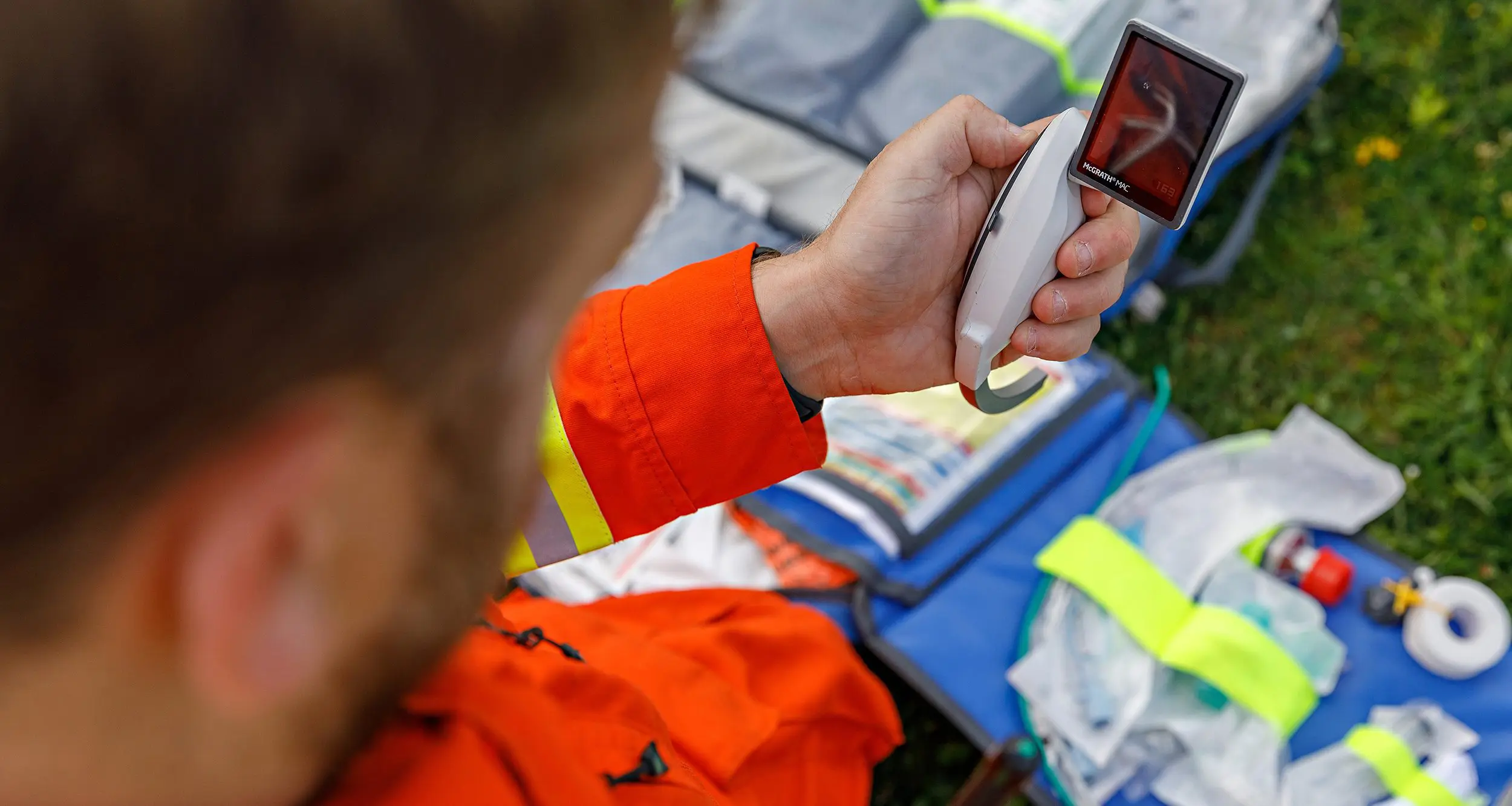
Airway module
This is carried in the critical care bag and contains everything clinicians will need to manage an airway and deliver a pre-hospital emergency anaesthetic, along with all the equipment to ventilate the patient, and back-up equipment too.
It also includes an iGel, a supraglottic device, which is inserted into a patient’s mouth and pushed into their airway. This provides a good alternative to accessing a patient’s airway.
Other airway adjuncts within the module include oropharyngeal airways and nasopharyngeal airway tubes, which can be used in conjunction with a bag valve and mask.
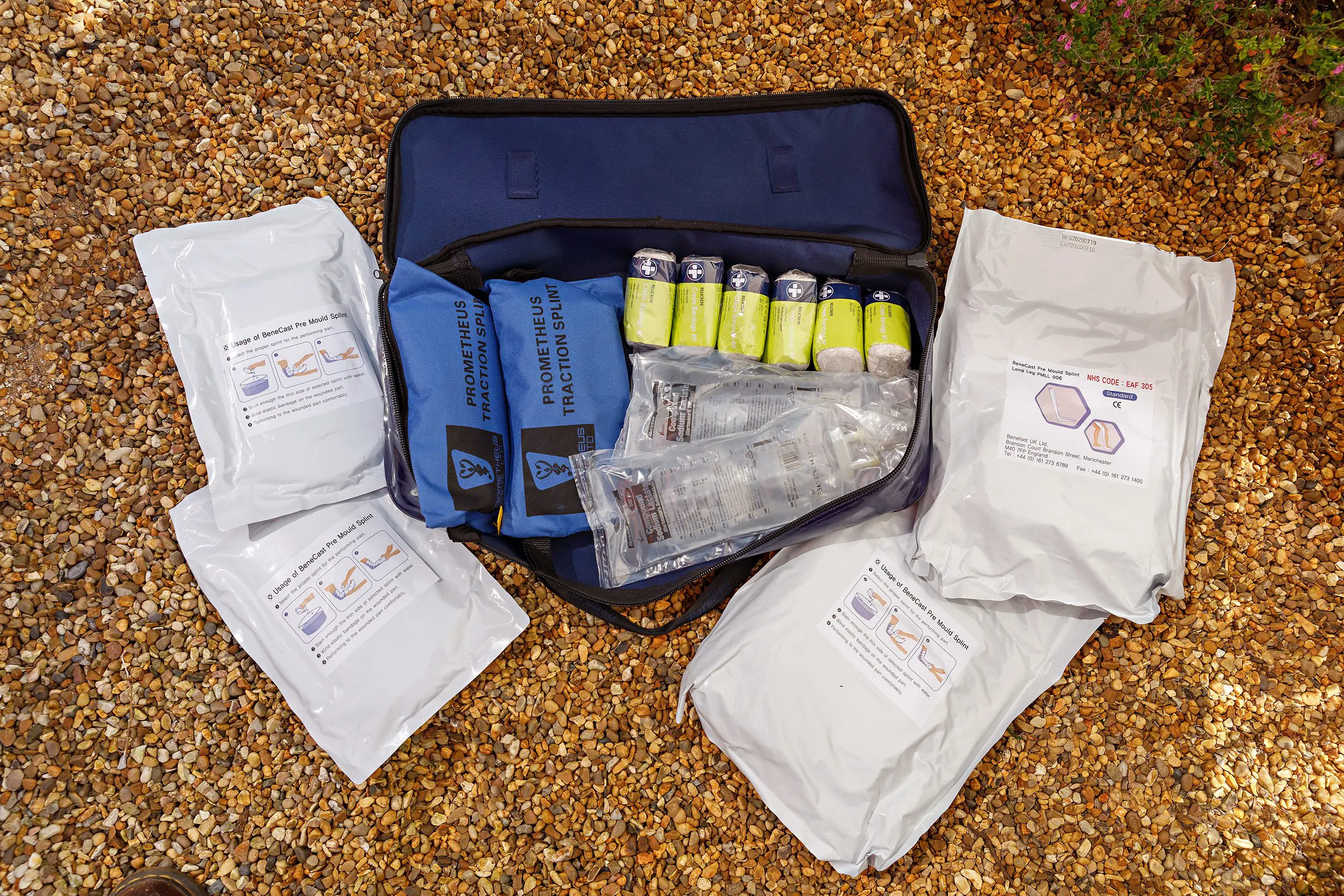
Splint bags
We carry a variety of splints for managing limb fractures, along with separate pelvic splints for management of pelvic fractures, and a specific traction splint device for the management of upper limb fractures requiring traction.
Using splint bags can help a patient by reducing their pain, reducing haemorrhage, and can prevent further deterioration of the injury.
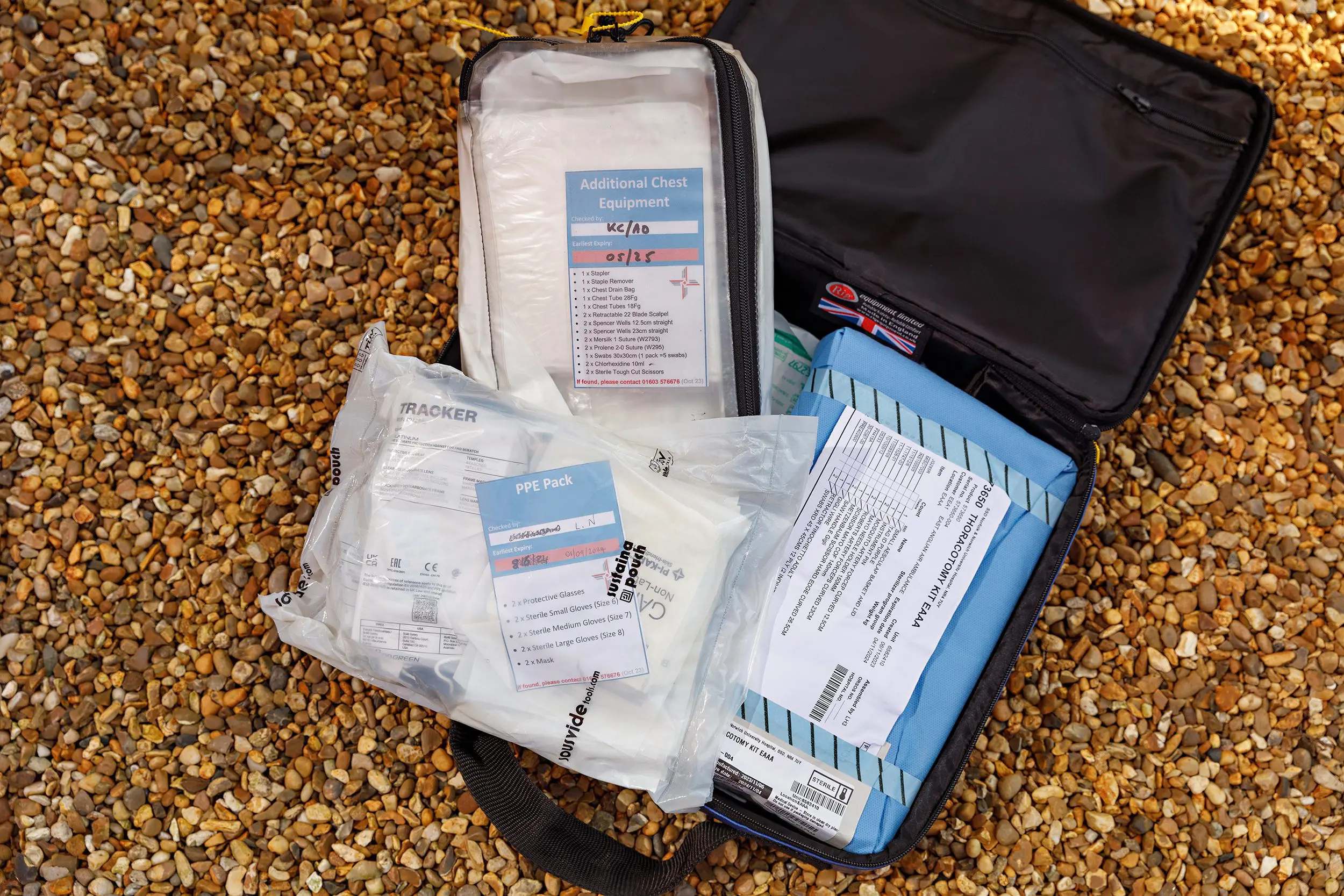
Chest Trauma Bag
The Chest Trauma Bag contains surgical equipment used to treat patients requiring open heart surgery at the scene as a result of, for example, a penetrating chest trauma.
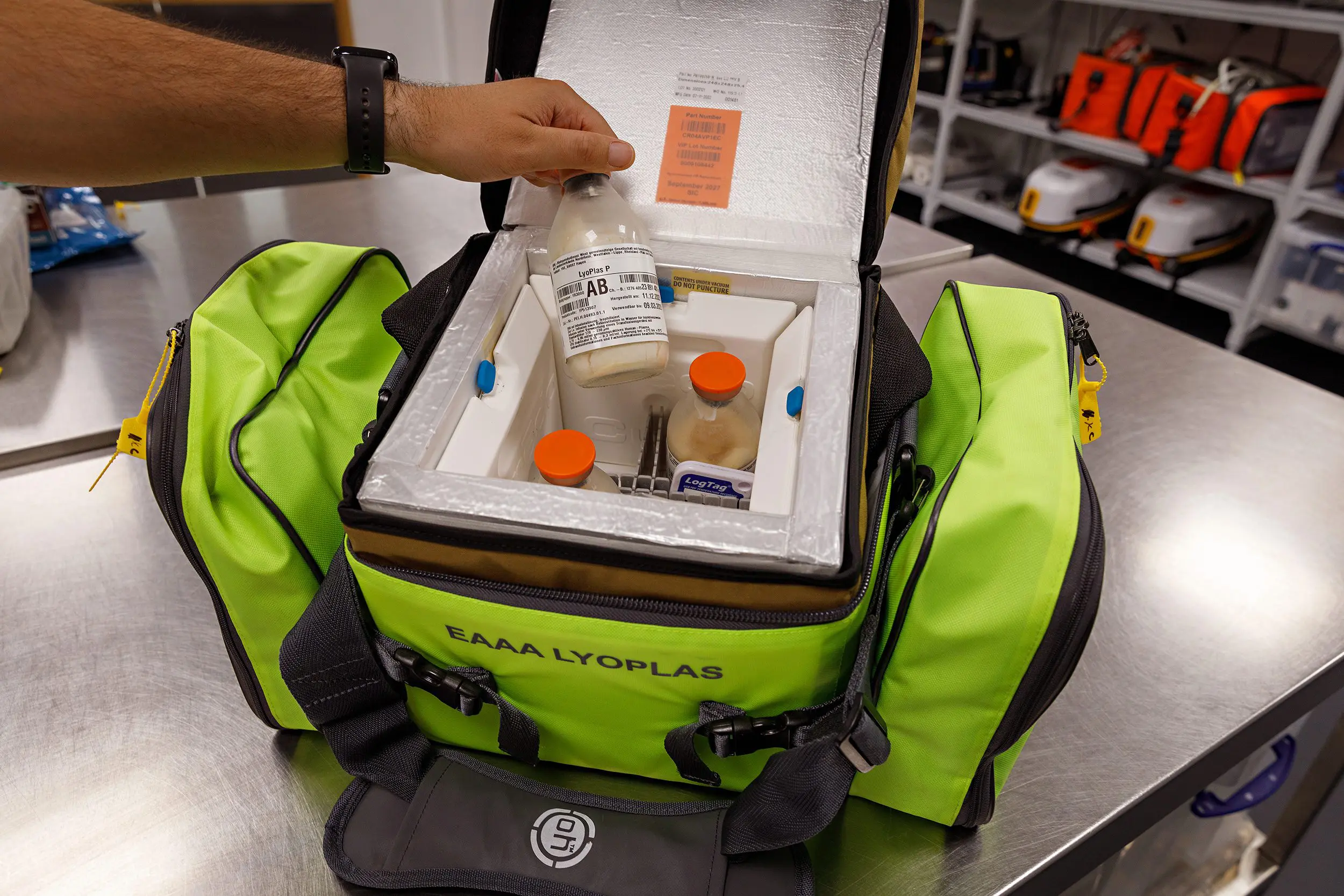
Blood Components
We can give blood and plasma components at the scene to patients with significant bleeding, usually as a result of traumatic injuries.
LyoPlas is freeze-dried plasma used in a blood transfusion in the pre-hospital environment to promote clotting. It needs to be kept cool before it is reconstituted with body temperature sterile water.
A second blood component, packed red blood cells, carries oxygen around the body. Used together in a blood transfusion at the scene, this can increase a patient’s chances of survival, as they are not having to wait until they reach a hospital to receive this potentially lifesaving intervention.
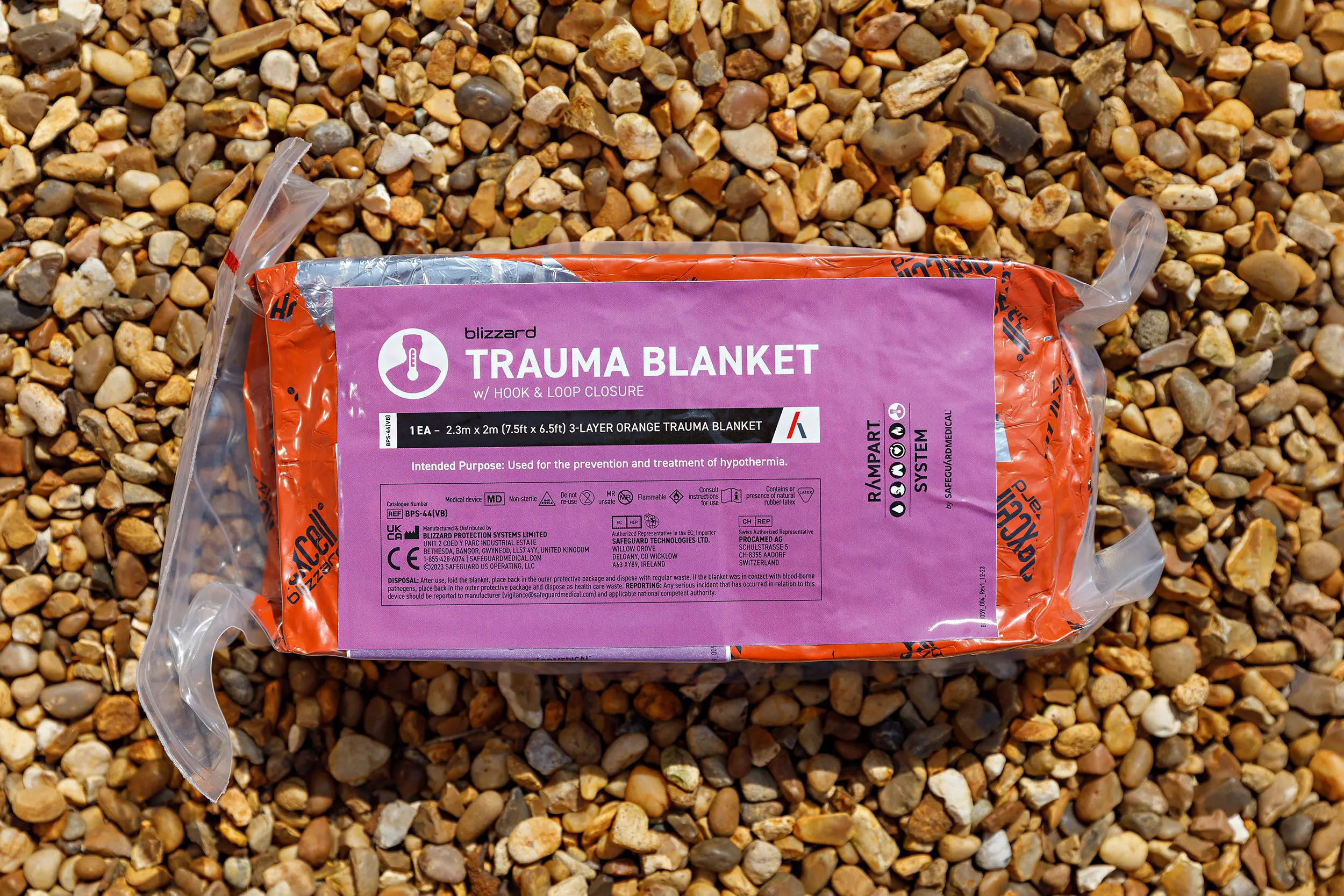
Blizzard blankets and warming pads
Heat preservation devices, such as active heat pads and blizzard blankets, help to prevent heat loss in seriously injured and unwell patients.
Hypothermia can have a detrimental effect on trauma patients in particular, so these simple pieces of equipment can really help to save lives.
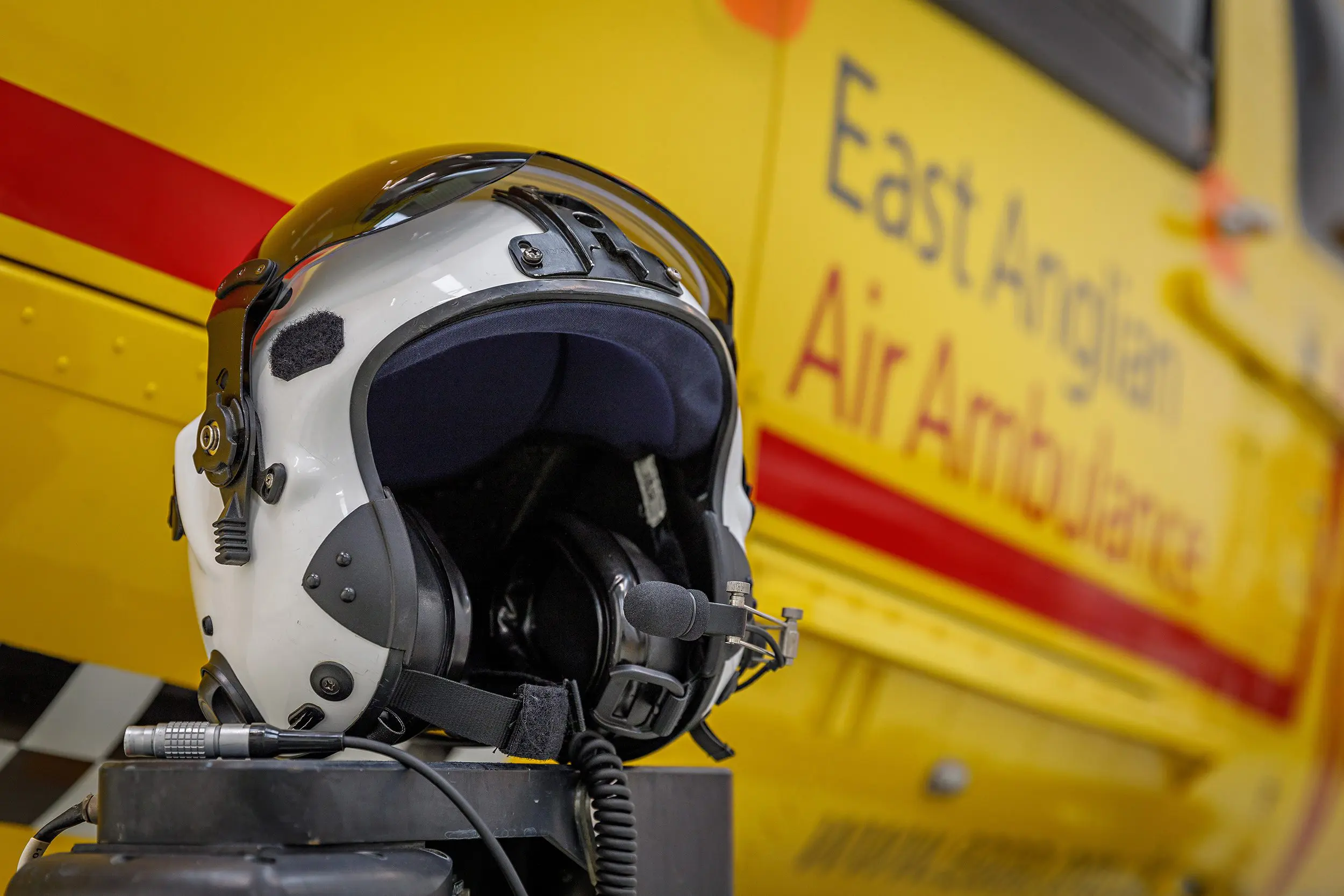
Helmets
Flight helmets are used in the aircraft by the pilots and clinicians. These are connected to radios so the crew can communicate clearly and effectively.
The cars and the helicopters also carry PPE helmets, which crews will wear at scenes such as building sites and road traffic collisions etc to protect themselves. These have flip down visors to protect their eyes, and they also carry goggles.