Critical Care Cars
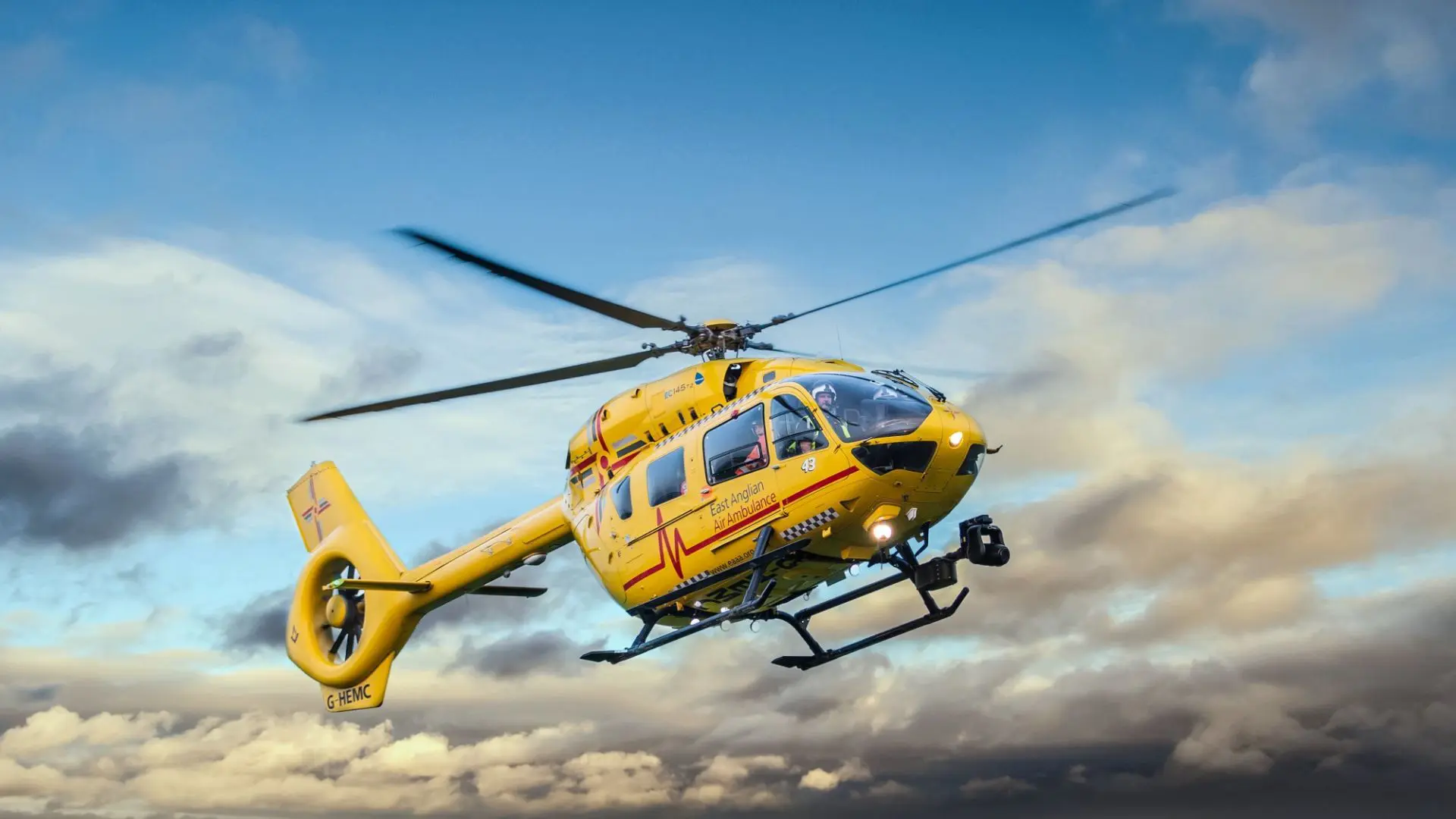
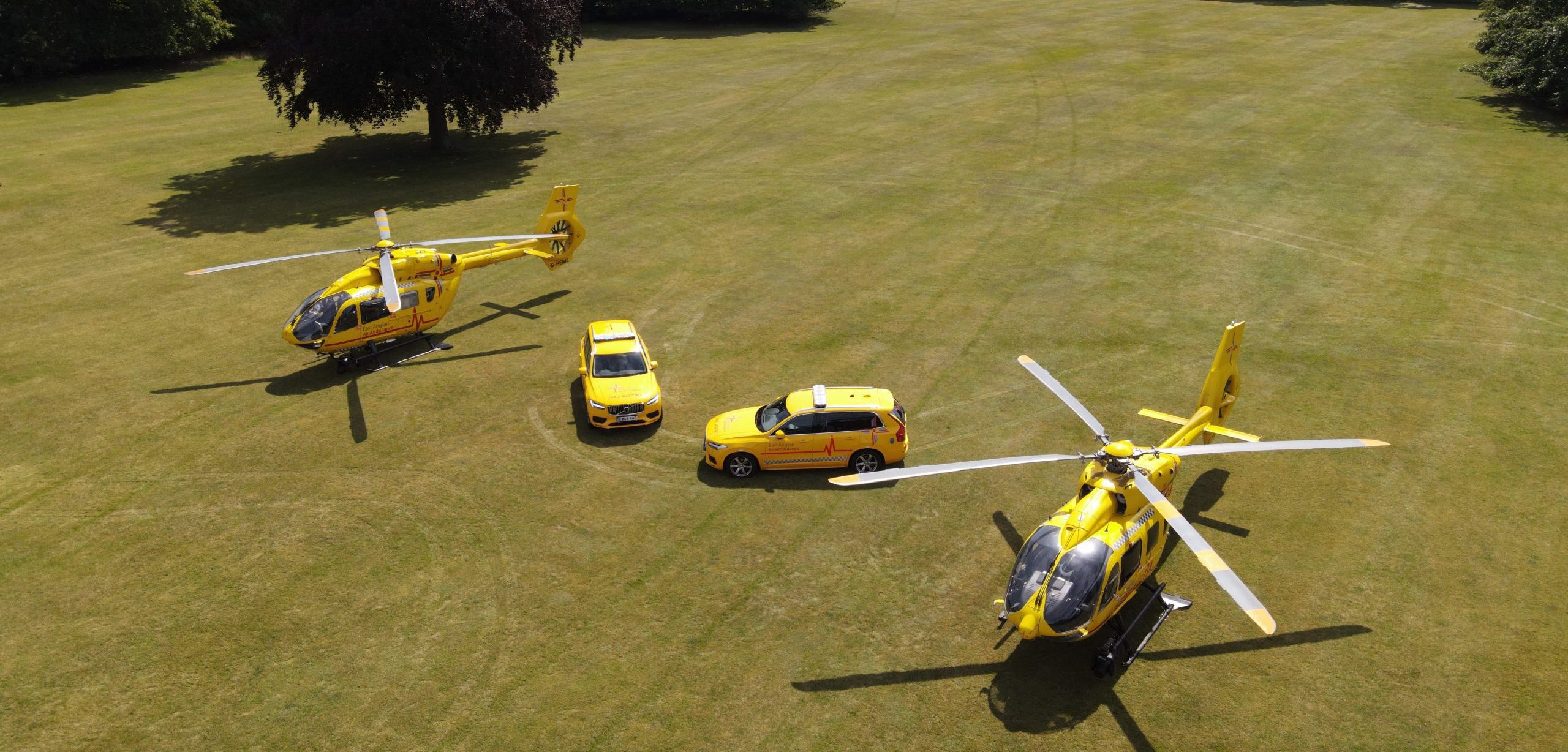
Ready to respond: Critical care carsWhen people think of us, they often picture our yellow helicopters - but that’s only part of the story. Alongside our two aircraft, we also have critical care cars based in Norwich and Cambridge. With the exception of a stretcher, our cars carry the same lifesaving equipment as our helicopters, so our crews can deliver the same lifesaving care – but just arrive at the scene in a different way.
Why do we need cars?
Imagine trying to land a helicopter in a busy town or city centre, or when the great British weather takes a turn for the worse and the conditions are out of legal flying limits. That’s why we also have critical care cars because, sometimes, getting to a patient by road is the fastest and safest option. They give us resilience and the flexibility to provide 24/7 cover, ensuring we’re always ready to respond.
The cars and helicopters follow the same strict safety checks and restocking processes so, whether the crew arrive by car or helicopter, our patients receive the same exceptional standard of care.
Inside our Critical Care Cars
Explore our 3D Critical Care Car to find out more about our cars and the medical equipment we carry.




Features for a fast response
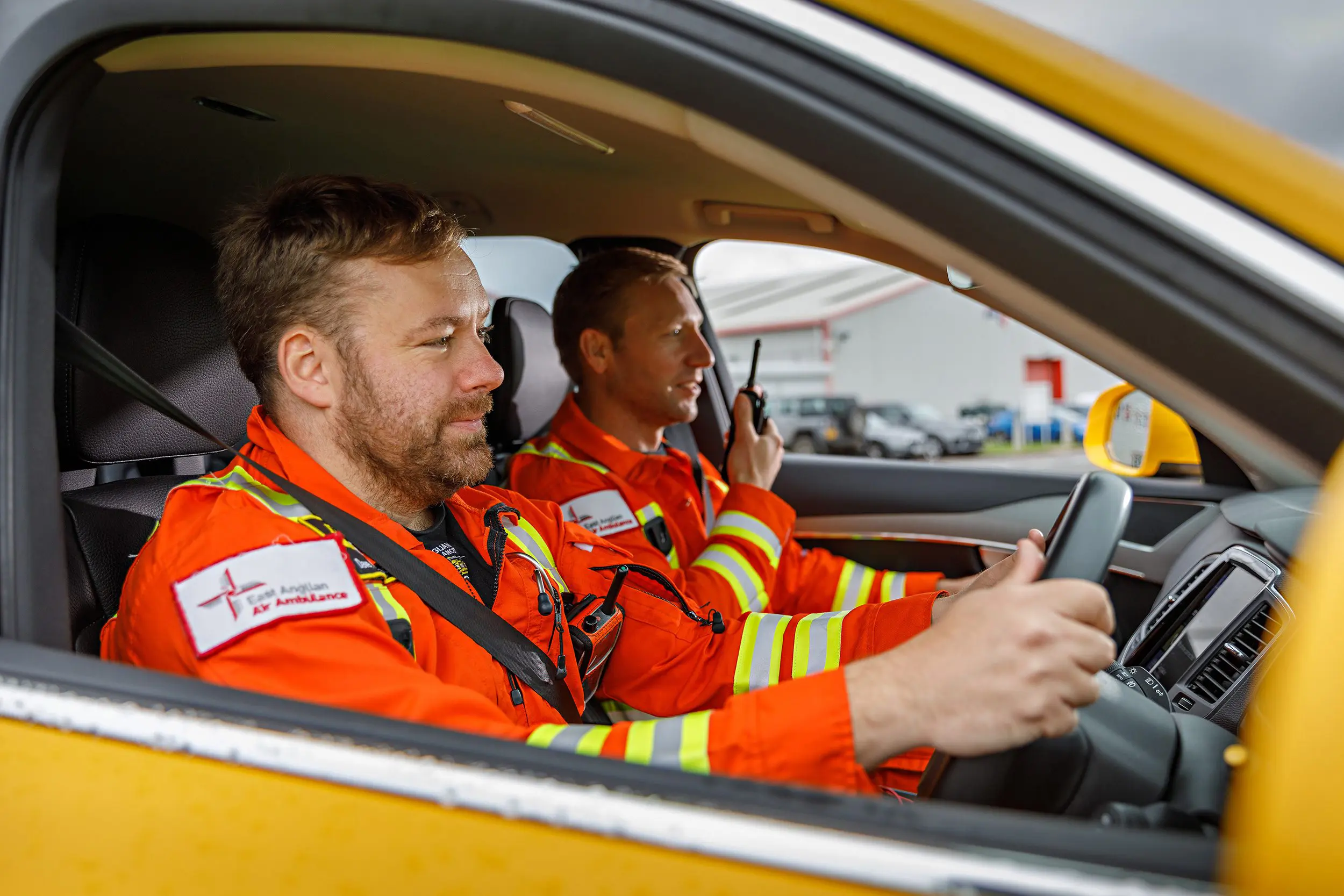
Our hybrid critical care cars are packed with clever features to help crews get moving quickly and safely when the red phone rings:
- Automatic charging system for onboard medical equipment
- Separate battery for blue lights so the main battery never runs flat
- Ambulance radio system linked to our Critical Care Desk for real-time updates and tracking
- Extra internal lighting for night-time emergencies
- Four-wheel drive and high ground clearance for rough terrain
- Spacious boot for all the essential lifesaving equipment and medication.
Frequently asked questions
The vehicles are maintained by local Volvo dealerships. They receive maintenance checks more frequently than at civilian cars. They also receive an annual service and a 12-week health check inspection. The cars may not do high milage, but they do ‘hard miles’ and they require at least one set of fresh brake discs every year.
The cars have air conditioning to keep clinicians cool and comfortable in the summer. The windows in the rear are tinted to keep equipment cool. The tyres change from winter to summer tyres. Summer tyres are designed to work to 7.5 degrees Celsius and can start to lose grip in the wrong conditions. Winter tyres, which we usually change at around the end of November, work better in wet and cold conditions. Also ready for the colder conditions is each car’s winter pack, which includes a heated steering wheel and seats, and a de-misting windscreen. This means clinicians won’t lose any time in getting to a critically injured or unwell patient through waiting for the screen to clear.
When at base, the critical care cars are connected to an electrical charging plug. This charges the medical equipment and automatically releases when the engine is turned on, creating an even quicker and safer start for the critical care team when driving to a mission.
We can’t use powerful industrial hot water cleaners on the vehicles as it can damage the graphics on the exterior. Some of these are reflective and essential for visibility so, instead, we use standard soapy water for cleaning.
We recently changed the name of our Rapid Response Vehicles to Critical Care Cars. You may see the old name used – or its acronym RRV – on some old collateral or in old online articles, but they are the same thing!
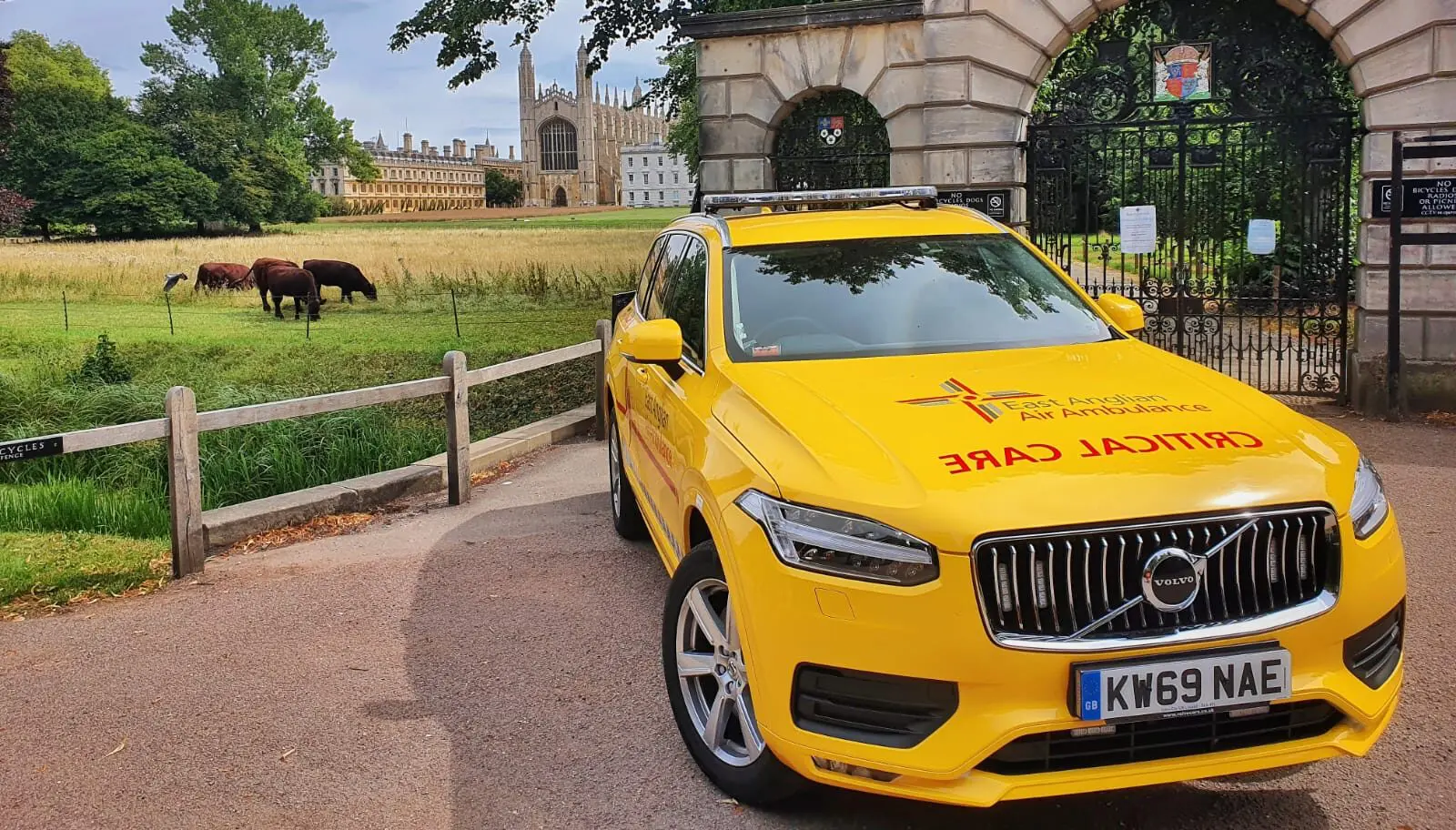
Why Volvos?
We chose Volvo XC90s because they tick all the boxes: safety, reliability, performance, and space for our equipment. They’re built to handle everything from city streets to off-road tracks – vital in our rural region – helping us reach patients wherever they are.
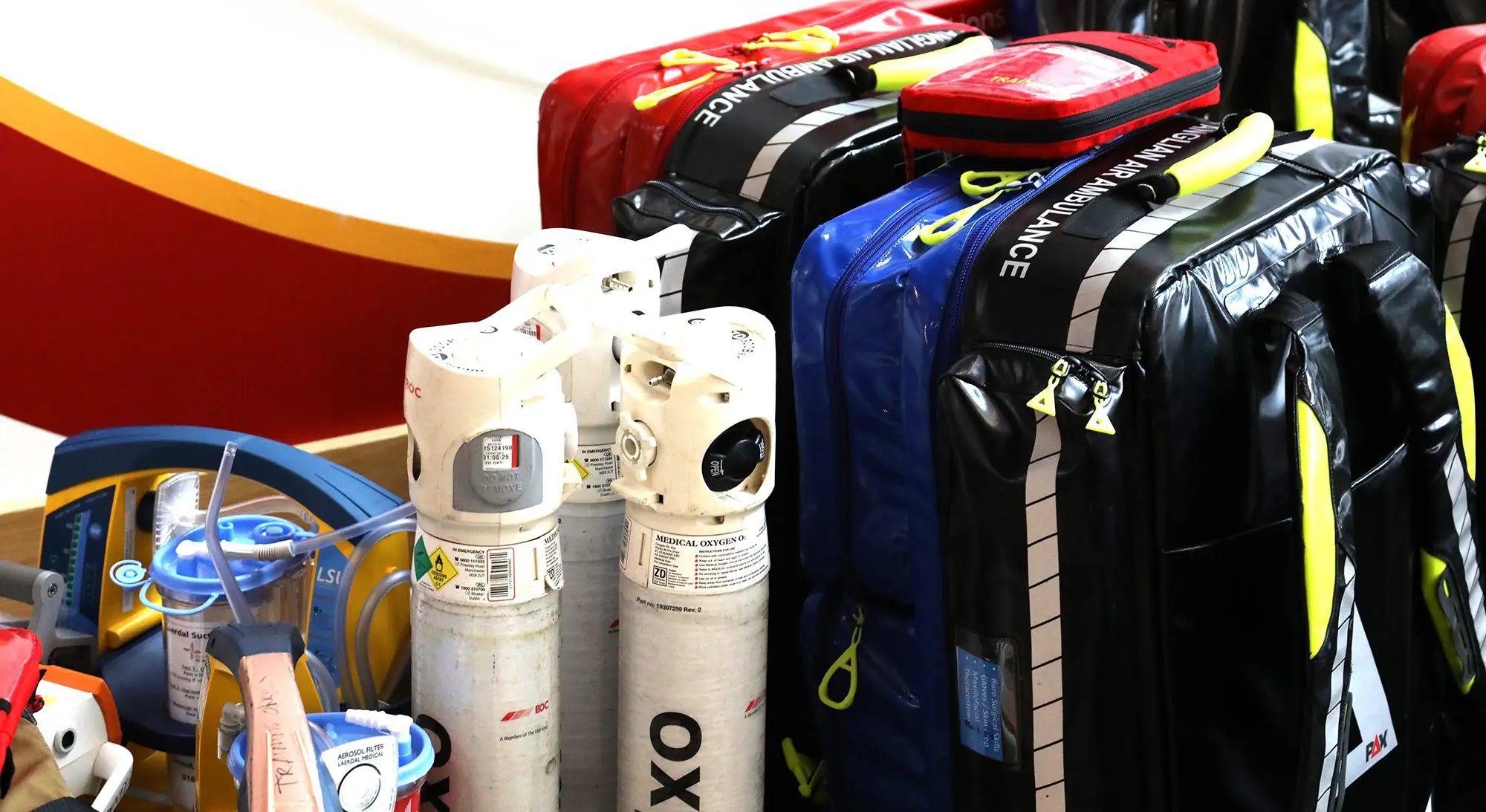
What's on board?
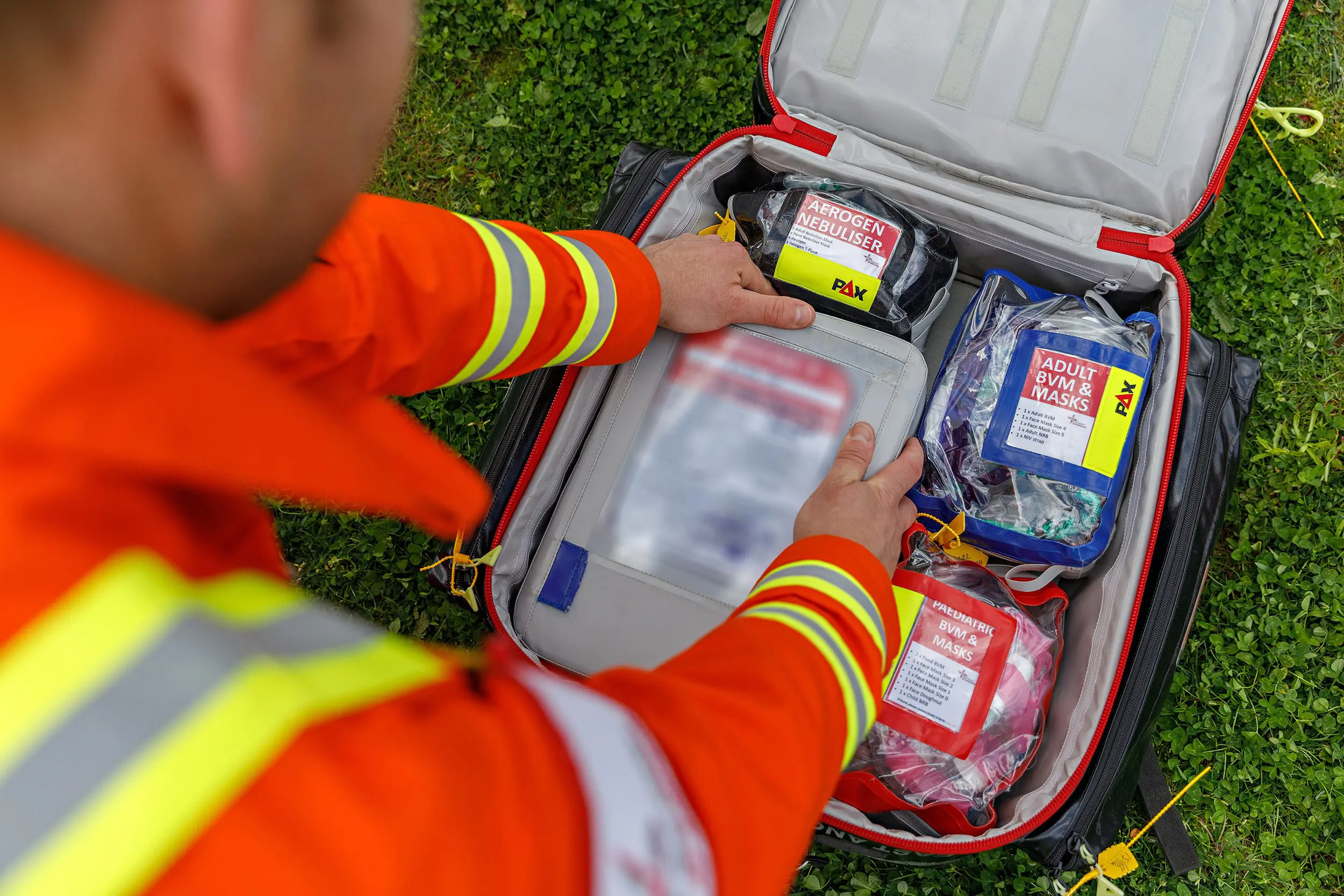
Our cars carry the same cutting-edge equipment as our helicopters, enabling our clinicians to provide advanced care at the scene of life-threatening emergencies.
We’re always mindful of your generosity so, when we were purchasing our new vehicles, we needed to ensure value for money while providing resilience for the future to deliver a 24/7 life-saving service. There were plenty of factors considered when trialling and purchasing the new vehicles, which included performance, reliability, safety, load capacity, resilience, and futureproofing to deliver lifesaving treatment and care by road, day or night.