Our crews are dispatched to the most critical moments in people’s lives. We go when time matters most, when families are frightened, and when outcomes are uncertain.
While many of the patients we attend survive because of rapid, expert pre-hospital care, we also acknowledge that, despite everything our crews bring to scene – advanced skills, equipment and medication – not all of our patients survive.
Dying Matters Week (4 – 10 May 2026) invites all of us to talk more openly about death, dying, and bereavement. For us, it is a time to pause and reflect on the patients who did not survive despite everyone’s best efforts – and to recognise the profound impact those moments have on loved ones, communities, and our own teams.
Acknowledging the reality of our work
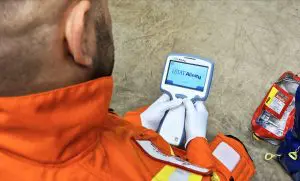
Our clinicians meet patients at their most vulnerable, often following sudden illness or traumatic injury. In 2025, that was 1,845 people. We’re not only there for the moment of crisis for our patients and their loved ones, but also for the journey that follows.
If a life can’t be saved, what matters is compassion, dignity, and helping families feel reassured that everything was done to give their loved one the best possible chance, and that they were treated with respect and care to the very end. These moments remind us why professionalism and humanity must always sit side by side.

Supporting loved ones in the hardest moments
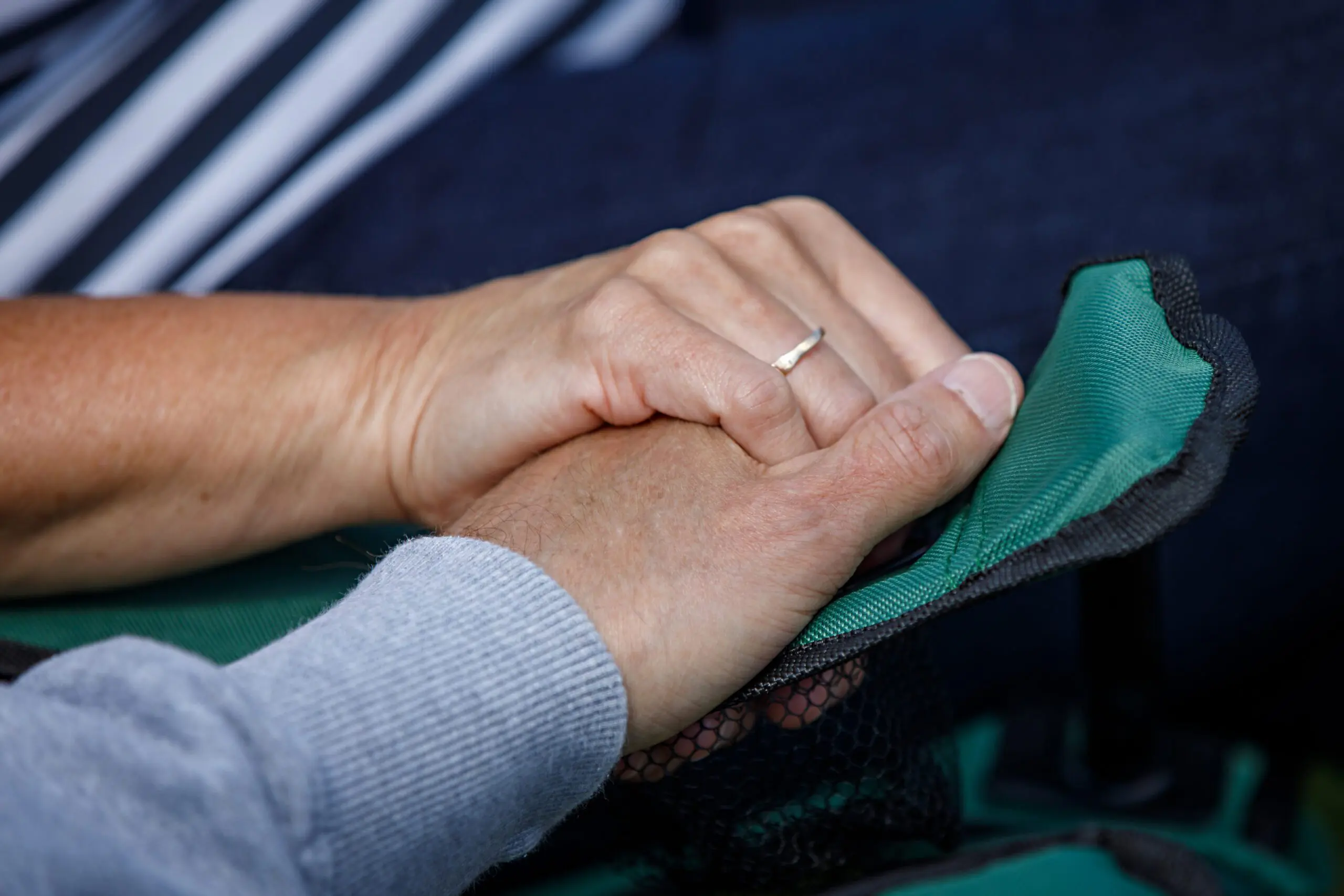
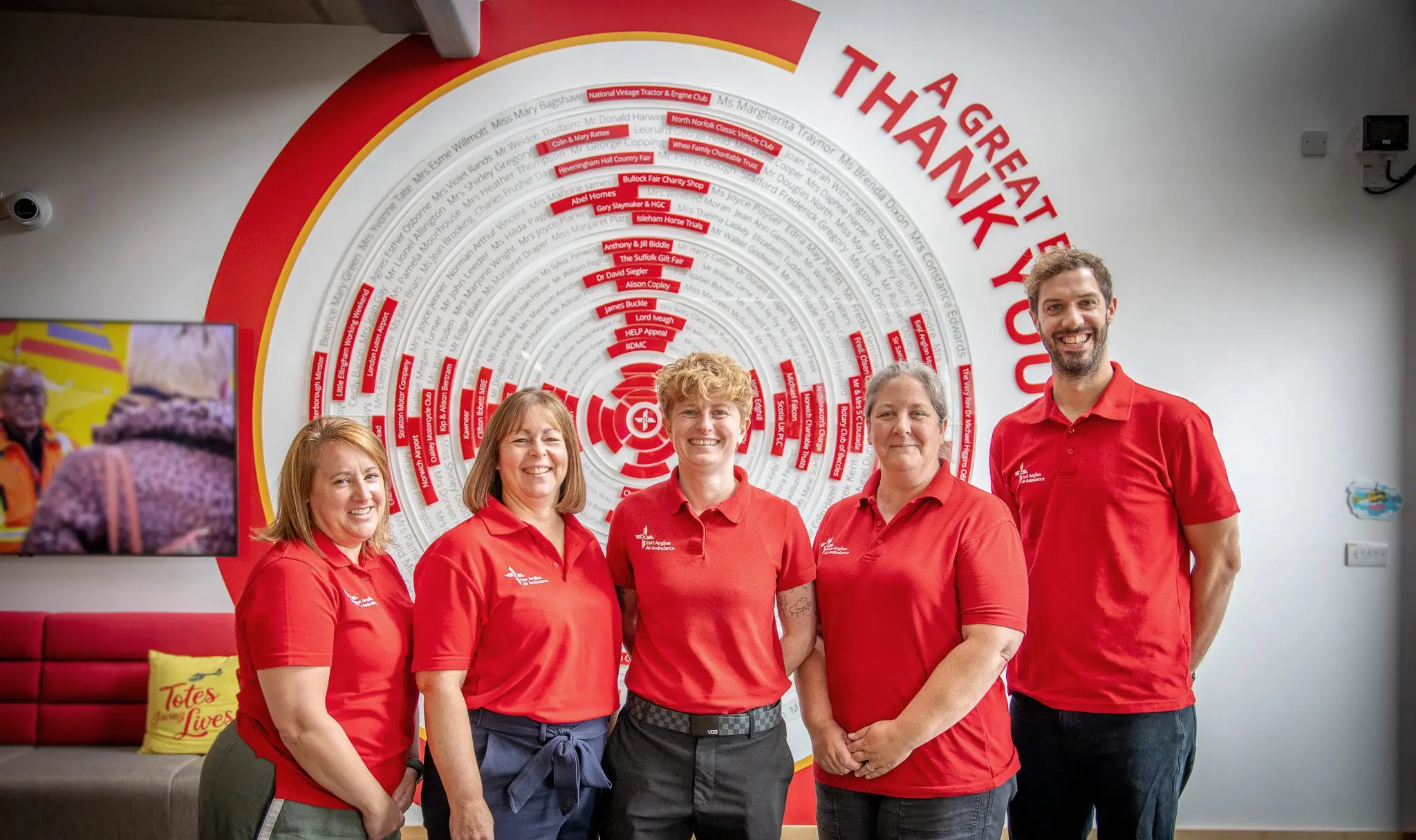
Everyone grieves differently, but it doesn’t need to be done alone. For patients and families facing the aftermath of a life-changing medical emergency, including bereavement, our Aftercare team of dedicated clinician and volunteers support them to navigate the difficult road ahead.
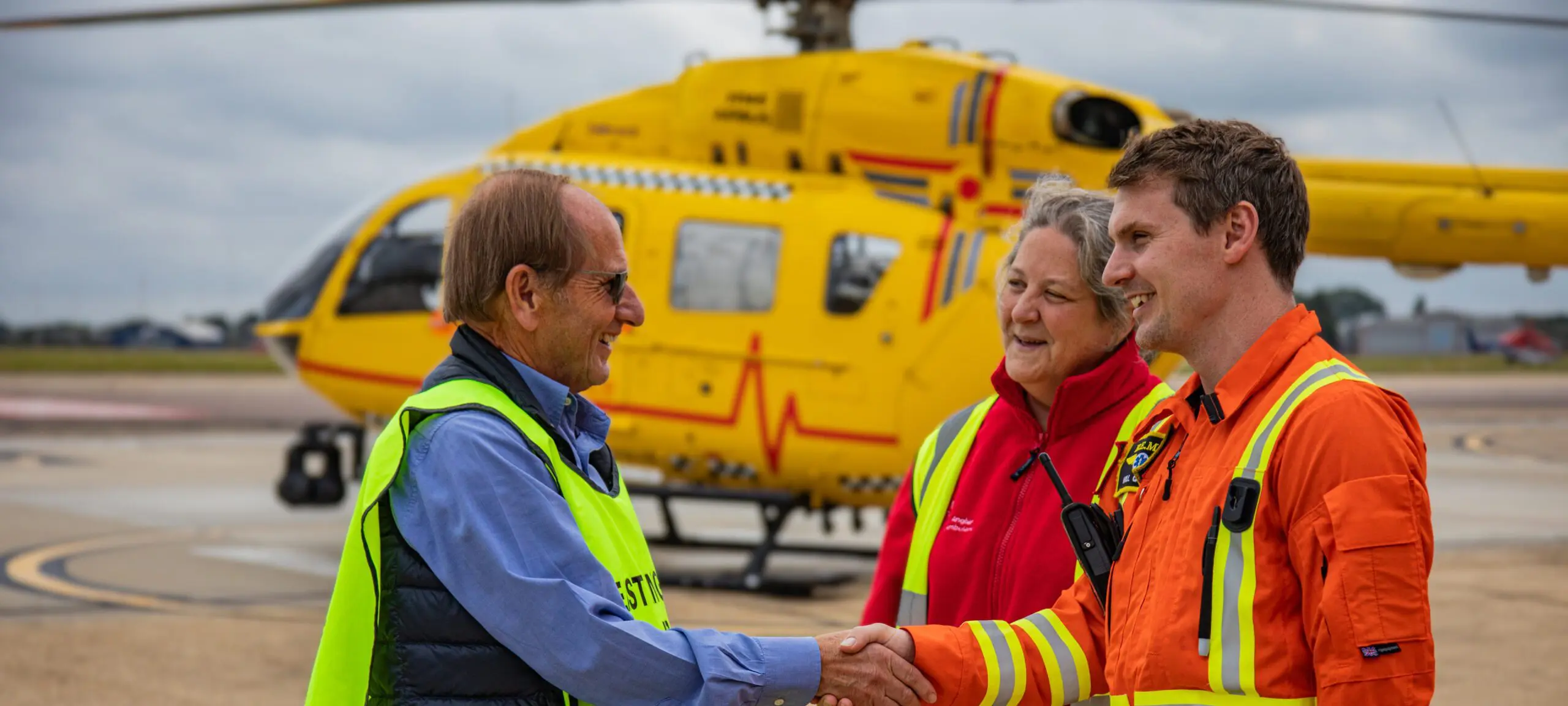
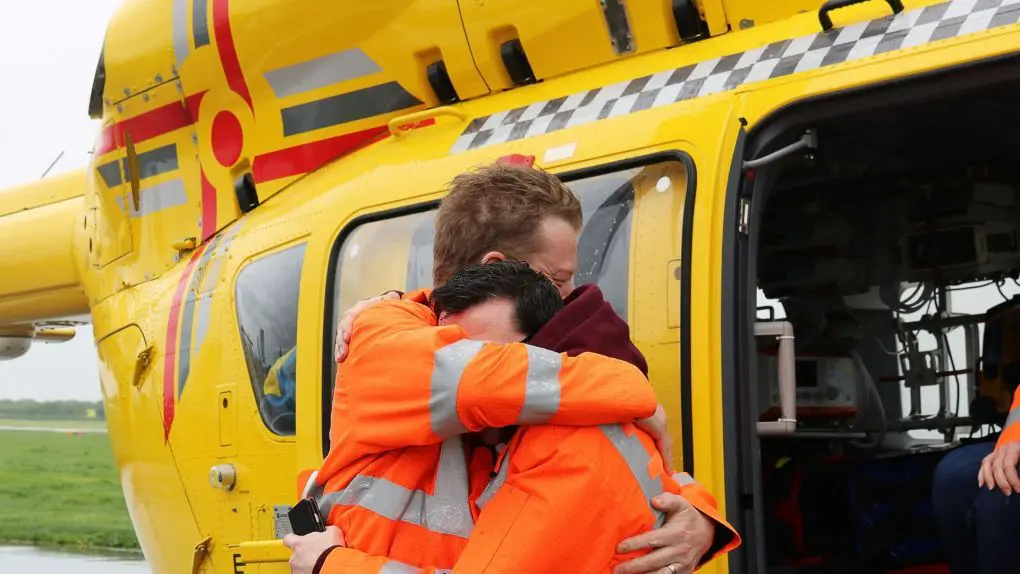
Support is tailored to each family’s needs and may include home visits, video calls, telephone check-ins, and signposting to other organisations for continuing emotional and practical support. We understand that for families the memory of how their loved one was treated during the moments can stay with them forever, so bereaved families also have the opportunity to meet the crew members who treated their loved one to help to fill in the gaps of the day of the incident.
This personalised approach ensures that no family feels isolated or unsupported as they navigate their grief, and that help is available in the way that feels safest and most meaningful to them.
Caring for our people, too
Our crews are tasked an average of seven time and treat five patients every day. These are the most serious injured and unwell people in our region, and our Anglia One (Norwich) and Anglia Two (Cambridge) crews aren’t immune to loss. Creating an open, supportive culture where honest conversations can take place really matters, and that help and support is always available from our Aftercare team for our pilots, doctors and critical care paramedics too.
We’re here for you
Whether you’re a bereaved spouse, partner, child, family member, friend or colleague, if you have lost somebody special following an emergency attended by our crew, please get in touch on 01223 403660 or contact [email protected].
Related News