Medical emergencies
In 2025, over 21% of the incidents to which East Anglian Air Ambulance were tasked were medical emergencies, averaging of one person every day. This can include neurological medical events such as strokes, brain haemorrhage, seizures as well as diabetic and obstetric emergencies and life-threatening infections.
Arriving at the scene
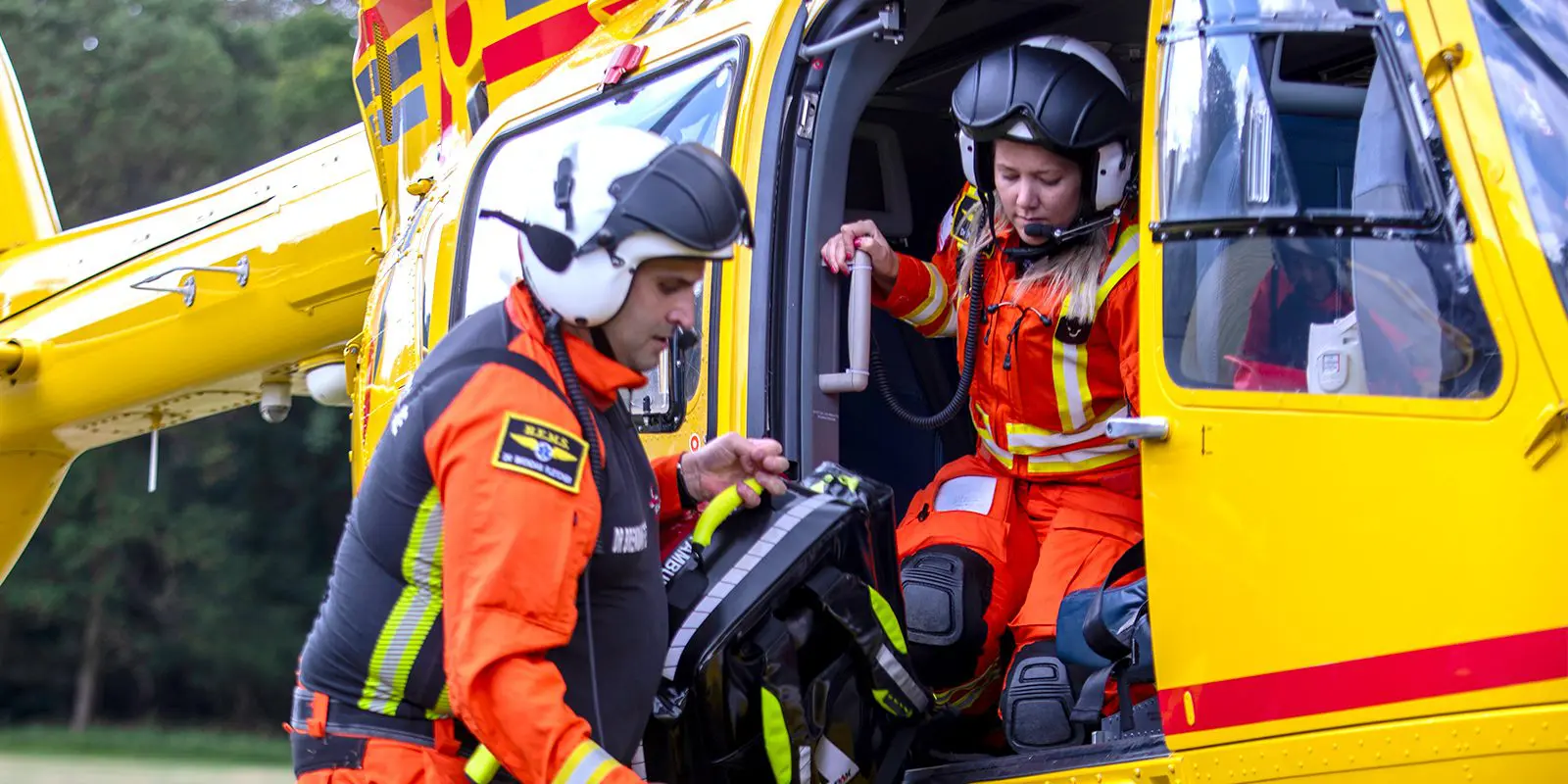
We are always tasked by the Critical Care Desk to support the ambulance service with some of the most serious medical emergencies in the region. When we arrive on scene, the crew, comprising of at least one doctor and one critical care paramedic, will always take a handover from the ambulance service, before conducting a full assessment of the patient.
The crew will talk to any family or friends on scene to gain a fuller picture and understand the patient’s medical history.
The range of medical emergencies which EAAA responds to is wide, and the treatment and care provided by the crew will vary. Depending on the patient’s circumstances, the critical care provided at scene by the crew will often focus on organ support, for example, supporting the brain or lungs. They will then make a decision about getting the patient to the right hospital, by land or air, for specialist care.
Critical care interventions
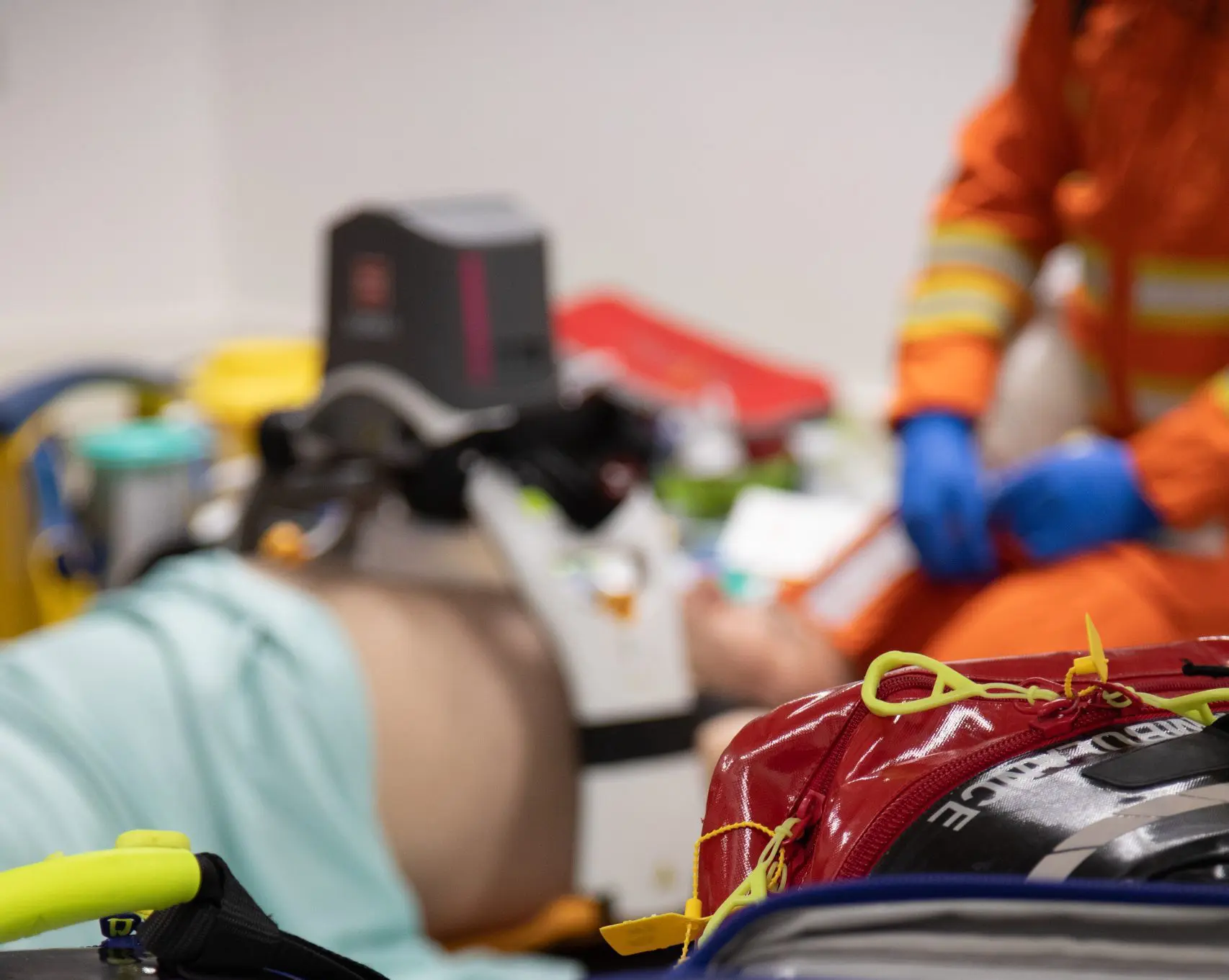
Urgent advanced critical care interventions at the scene can give the patient the best chance of survival and recovery. This may include:
- Administering a pre-hospital emergency anaesthetic, intubating and ventilating a patient ahead of a transfer to hospital. This is the same level of care provided by a hospital intensive care unit.
- Administering advanced medication. EAAA carries powerful antibiotics, anti-seizure medications, sedatives and anaesthetic medications, which are not carried by the ambulance service. They also carry medication to support peoples blood pressure, these can be used in the event of life-threatening infections.
- Providing a patient with powerful pain relief. This can be administered in different forms, such as intravenous and intranasal.
- Using iSTAT point of care blood test analysers. This supports EAAA clinicians to carry out patient-side diagnostics at the scene of the medical emergency.
The crew can also administer additional fluids to a patient. A specific example is hypertonic saline. This can be used to treat people with very high intracerebral pressure, such as following a brain haemorrhage.
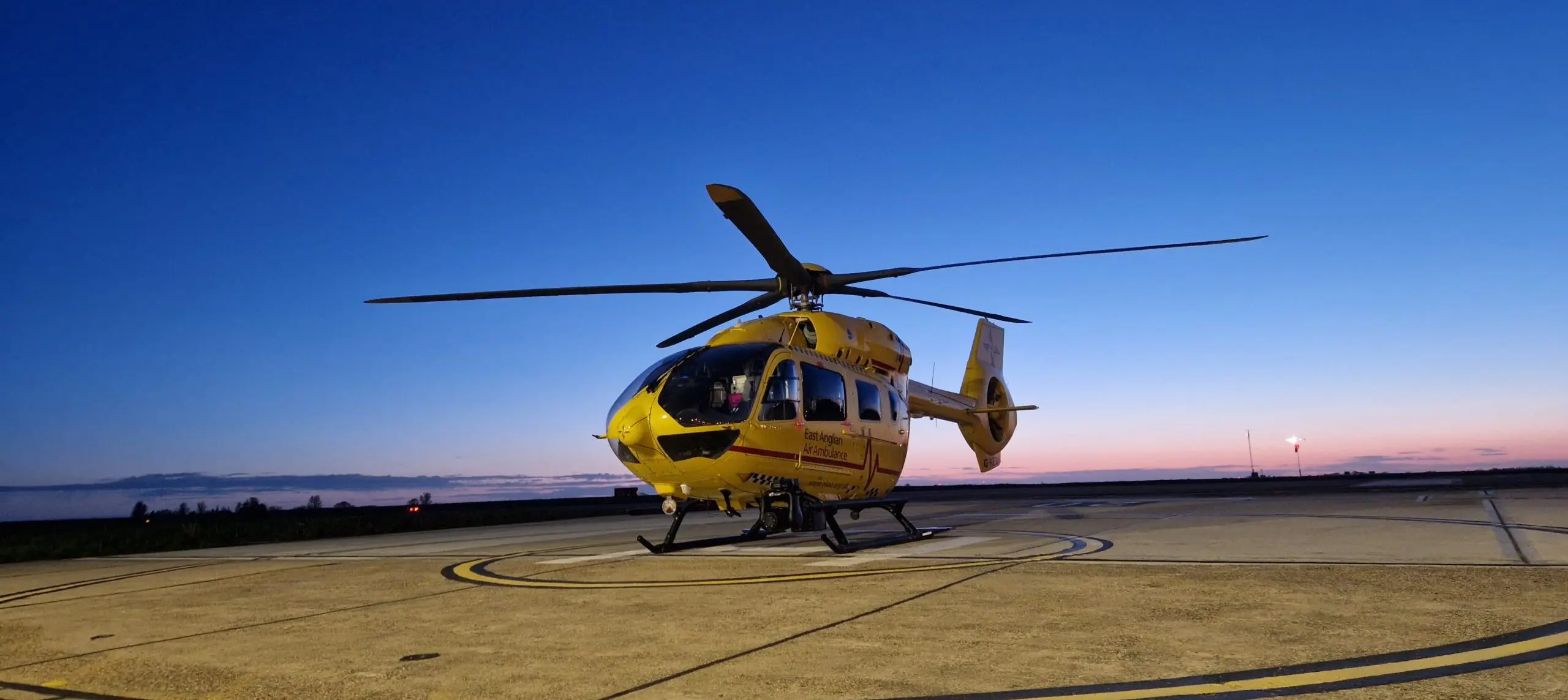
Urgent life-saving treatment
A combination of highly skilled clinicians, advanced equipment and kit and the speed of an air ambulance means patients experiencing life-threatening emergencies can receive urgent treatment and care much sooner.