Imagine that you’re working on farmland, miles from the nearest town or village, when you suffer a serious injury and realise you need help, fast. Life-threatening injuries and illnesses can happen at any time, anywhere. That’s why our crews are here for anyone in the community who needs critical care when their day or night takes a devastating turn. In our largely agricultural region, we hope our crews, helicopters and critical care cars are a reassuring presence for all communities, whether rural or urban.
Farming accounts for 1% of the UK workforce but 19% of workplace deaths (Source). Over the last five years, our crews have attended 35 agricultural-related incidents, including accidents involving machinery, farm animals and collisions involving farm vehicles. As part of Farm Safety Week (20-24 July 2026), we take a deep dive into what your donations and fundraising mean for people in remote, farming locations when they experience a medical emergency.
Time critical taskings
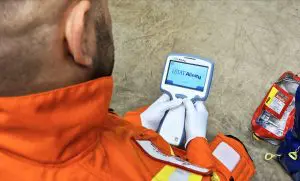
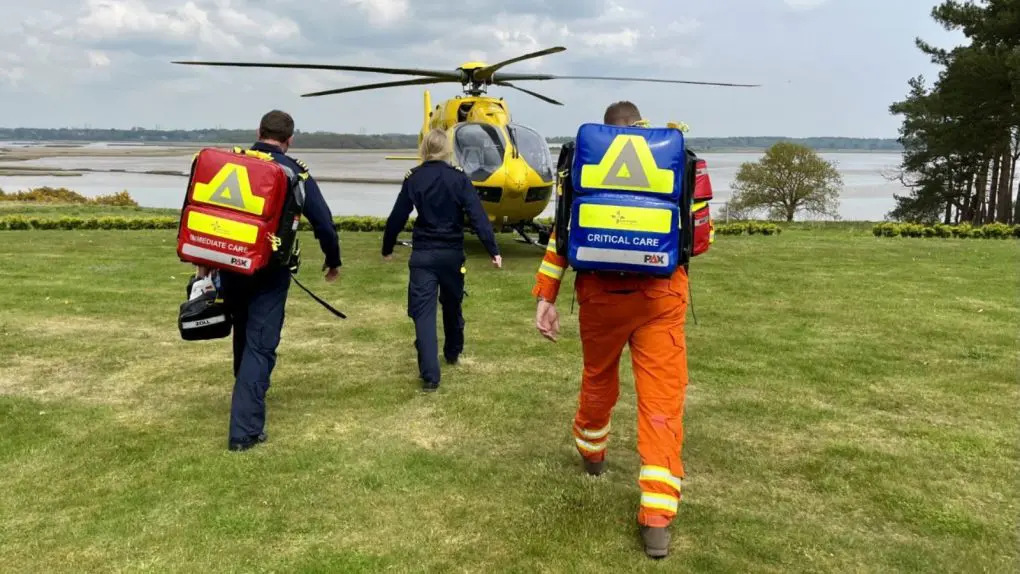
When our crews are tasked, it’s because somebody needs critical care quickly at the scene of an emergency. From the moment the red phone rings, the clock is ticking, but our pilots, doctors and critical care paramedics approach every task in a calm, methodical manner. Taking down the details of the task and departing in the helicopter or critical care car is a well-practiced routine. The kit bags are already stocked and ready to go, because we’re not just a speedy transfer to hospital, our critical care and immediate care kit bags are packed with the equipment that may be needed to save a life.
Our pilots, doctors and critical care paramedics bring the advanced skills, medication and equipment straight to the patient’s side, meaning people receive the help they need much sooner than if they had to wait until they reached a hospital. Rapid treatment followed by a transfer to the most appropriate hospital can improve somebody’s chances of survival. But it’s the people behind the statistics and the ultimate aim of ensuring more families can be kept together that matters.
Not every patient is easy to reach by road
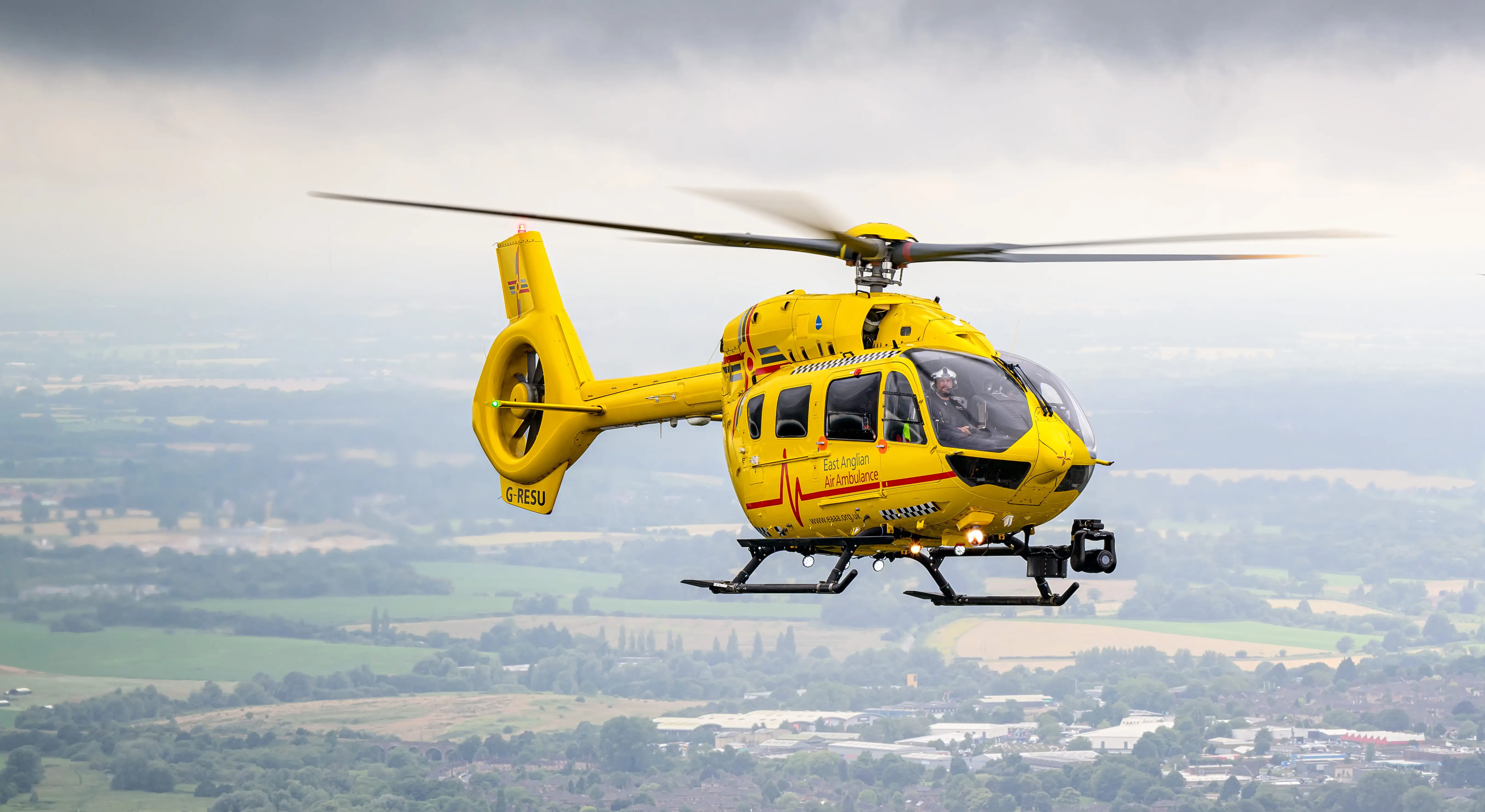
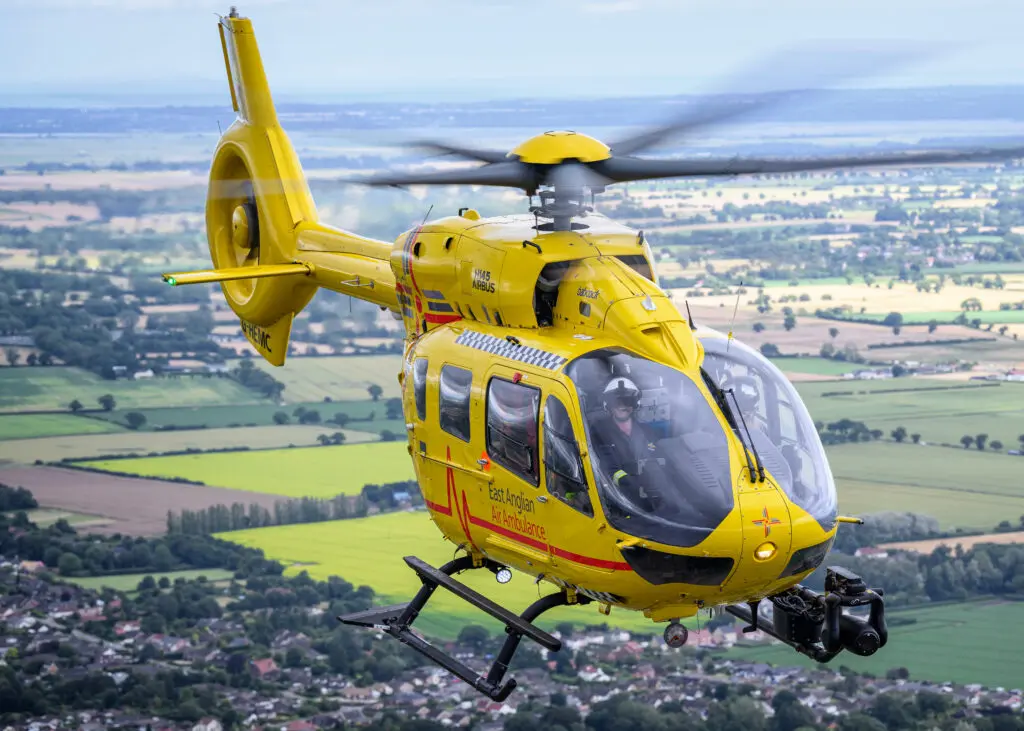
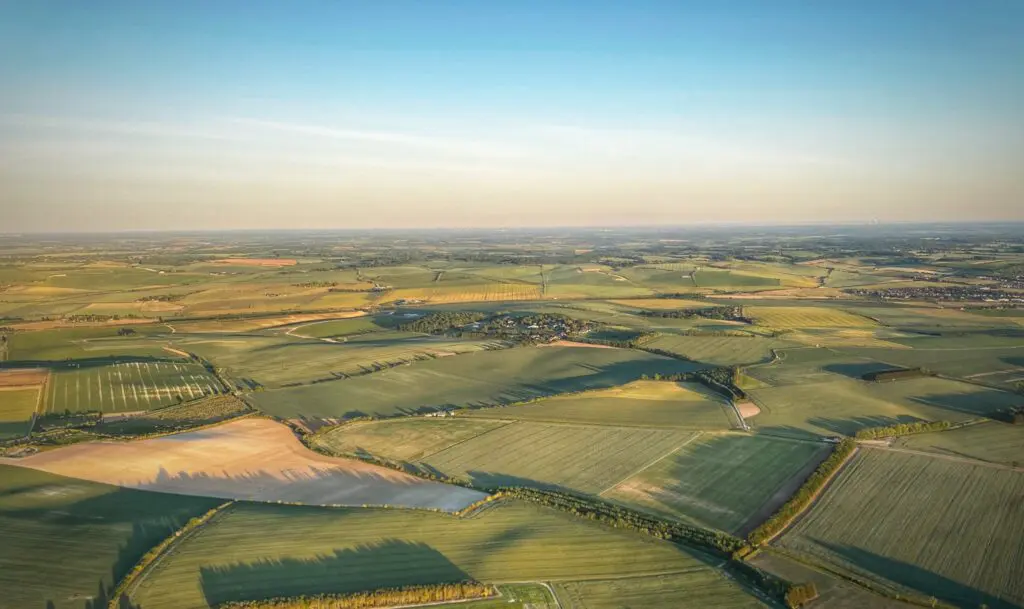
In some emergencies, the challenge isn’t just time, it’s access. Remote locations, woodland, farmland and fields may be difficult for land ambulances to access. We have two H145 helicopters which can transport our crews anywhere in the region within 25 minutes. So, whether it’s a farm worker who has suffered a traumatic injury from machinery, or a horse rider with multiple injuries from a fall, help can be with them in the fastest possible time. We partner with the ambulance service, often with other emergency services and responders, at the most serious incidents. While the land ambulance crews are usually first on scene, on some occasions – particularly if road access is more of a challenge – our crew may arrive on scene first by air.
Pinpointing locations
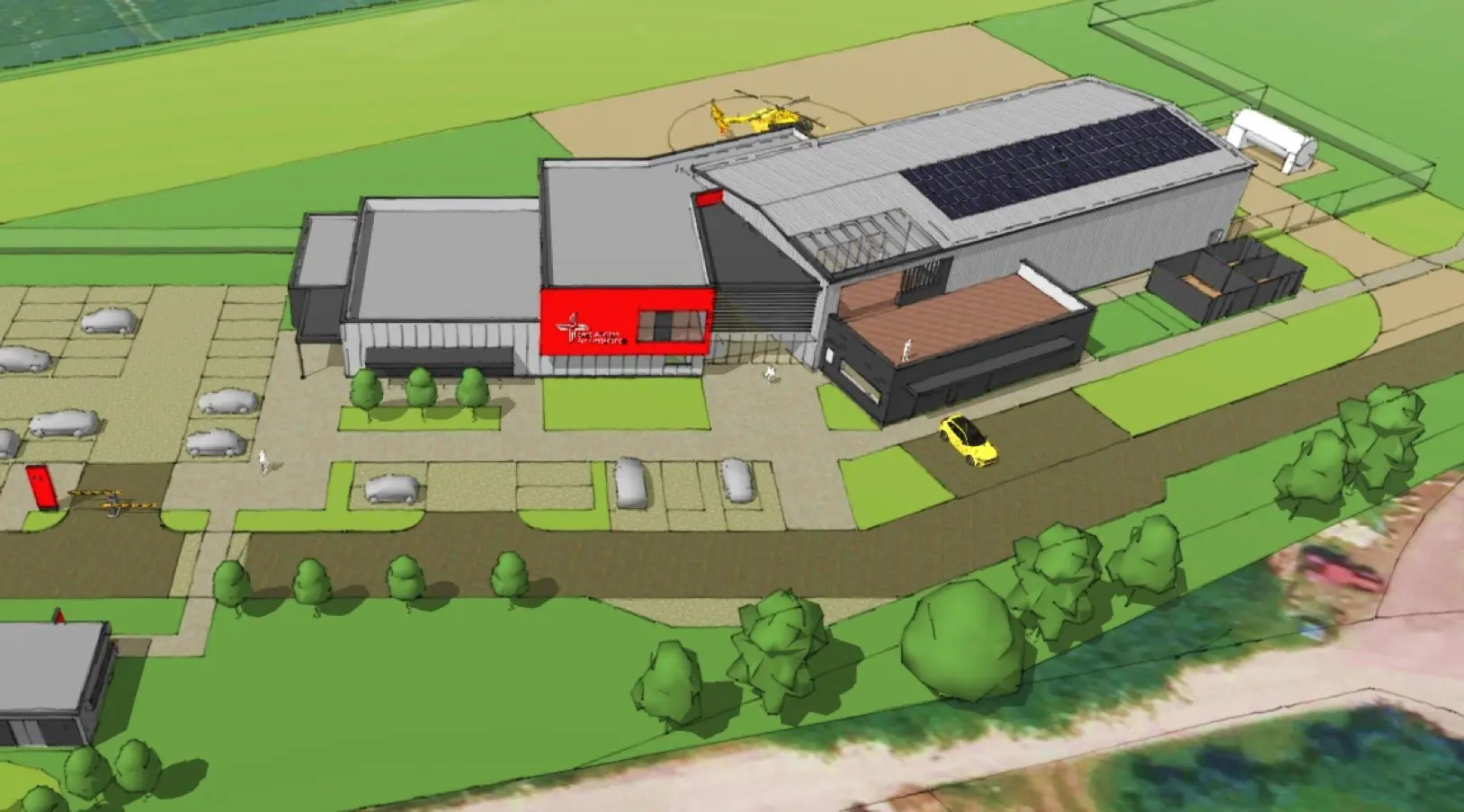
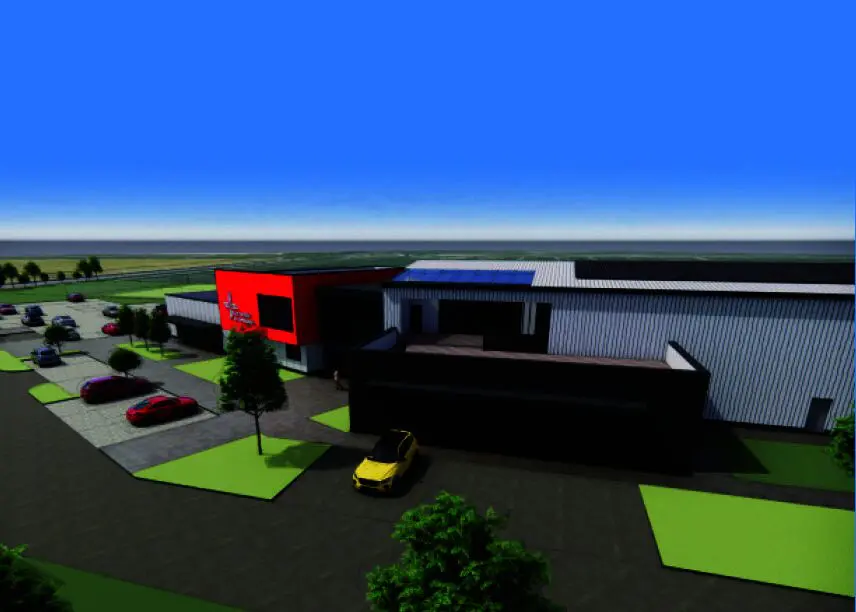
In the countryside, postcodes can cover a vast area and that’s where apps like What3Words can help. The world was divided into 3 x 3 metre grids, and each grid allocated three words. Providing a 999-call handler with the three words unique to your location can enable them to pinpoint our location and send the right help to the right place. Download the app and try it for yourself; you never know when you may need it. Helimed House, our Norwich base, can be found at feel.branded.hips, while the location of our new Cambridge Air Base is at gather.besotted.disclose
Severity of injuries
On farms and remote locations, the risks can be high and, due to large, heavy machinery and livestock, injuries sustained on farms can be severe. It could be anything from traumatic injuries requiring emergency blood transfusions from our crews, to falls resulting in traumatic head injuries or open fractures, or injuries from animals and livestock. Cardiac arrests, which every year account for around a third of our crews’ emergency taskings, can also happen anywhere so we’re ready for every eventuality to bring somebody the best possible care.
There are also some unique challenges when treating somebody on a farm, because things like mud, machinery and animal waste can increase the risk of infection. The crews carry advanced medication, including antibiotics, which is over and above that carried by a land ambulance crew. These can be given straight away to reduce the chances of infection and support the patient’s recovery from the earliest possible moment.
Minutes saved
If you’ve supported East Anglian Air Ambulance, you have helped to fund these time-critical responses and treatment that can make the biggest difference to somebody’s survival and recovery. It’s those saved minutes, earlier treatment and a transfer to the right hospital that can change everything. Those minutes don’t just save time, they save lives – on farms, in woodland, in remote fields, beside agricultural machinery, and in the shadow of livestock – and in every community we serve.
Related News