CQC Report Helimed House
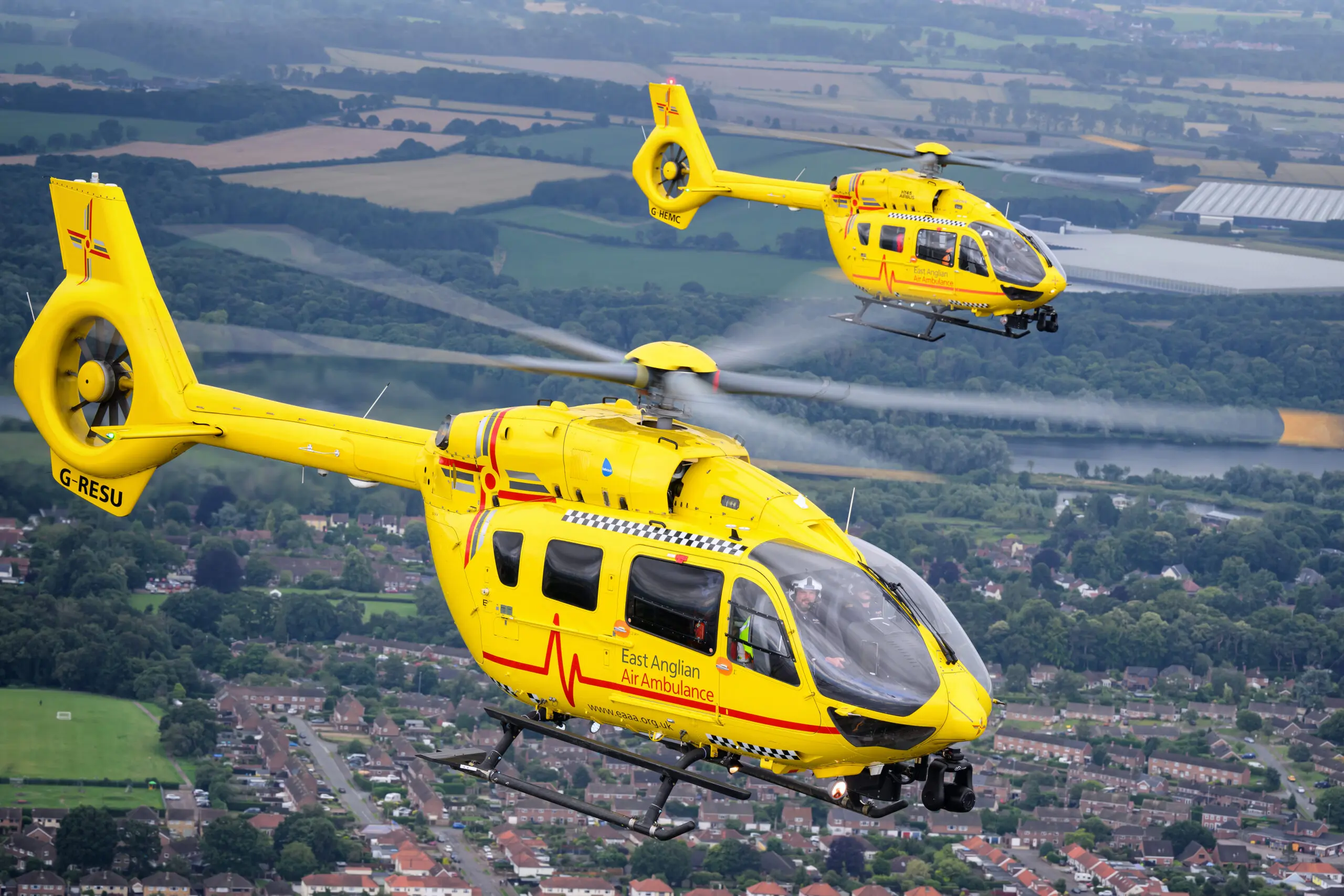
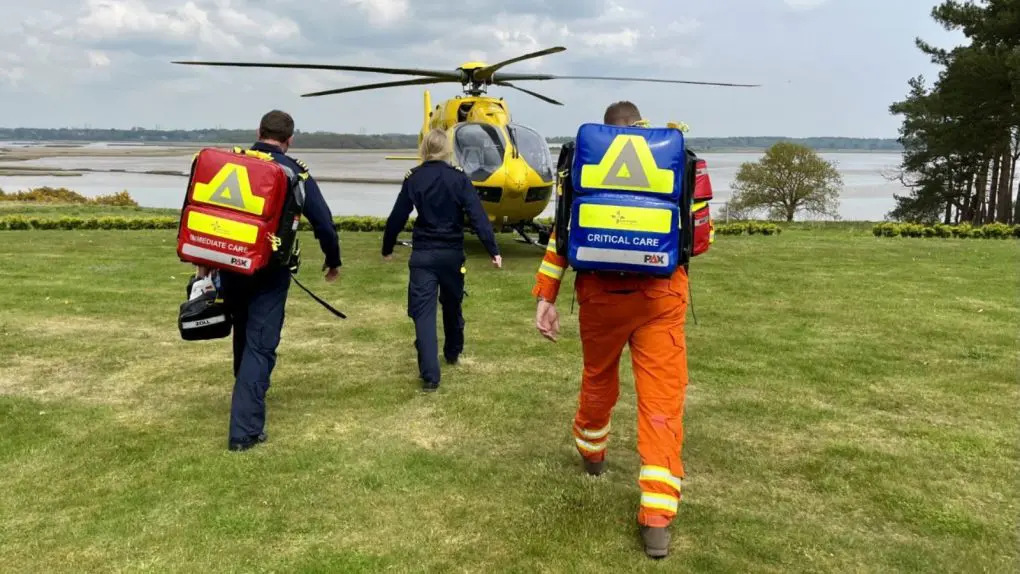
East Anglian Air Ambulance (EAAA) has been rated 'Outstanding' following a recent inspection by the Care Quality Commission (CQC) at its Norwich base.
Outstanding is the highest possible rating awarded by the CQC. When carrying out the inspection, they assessed the charity across a number of key areas. East Anglian Air Ambulance’s Norwich base was rated ‘Outstanding’ for being effective, caring, responsive and well-led, and ‘Good’ for safe.
The inspection found “everyone working at the charity’s Norwich base championed a culture of empathy, teamwork, and continuous improvement to give people the best possible care.”
What is the CQC?
The CQC make sure health and social care services provide people with safe, effective, compassionate, high-quality care and we encourage care services to improve. The CQC is the independent regulator of all health and social services in England. A copy of the CQC report is available at www.cqc.org.uk.
Are Emergency and Urgent Care Services Effective?
Rated as ‘Outstanding’
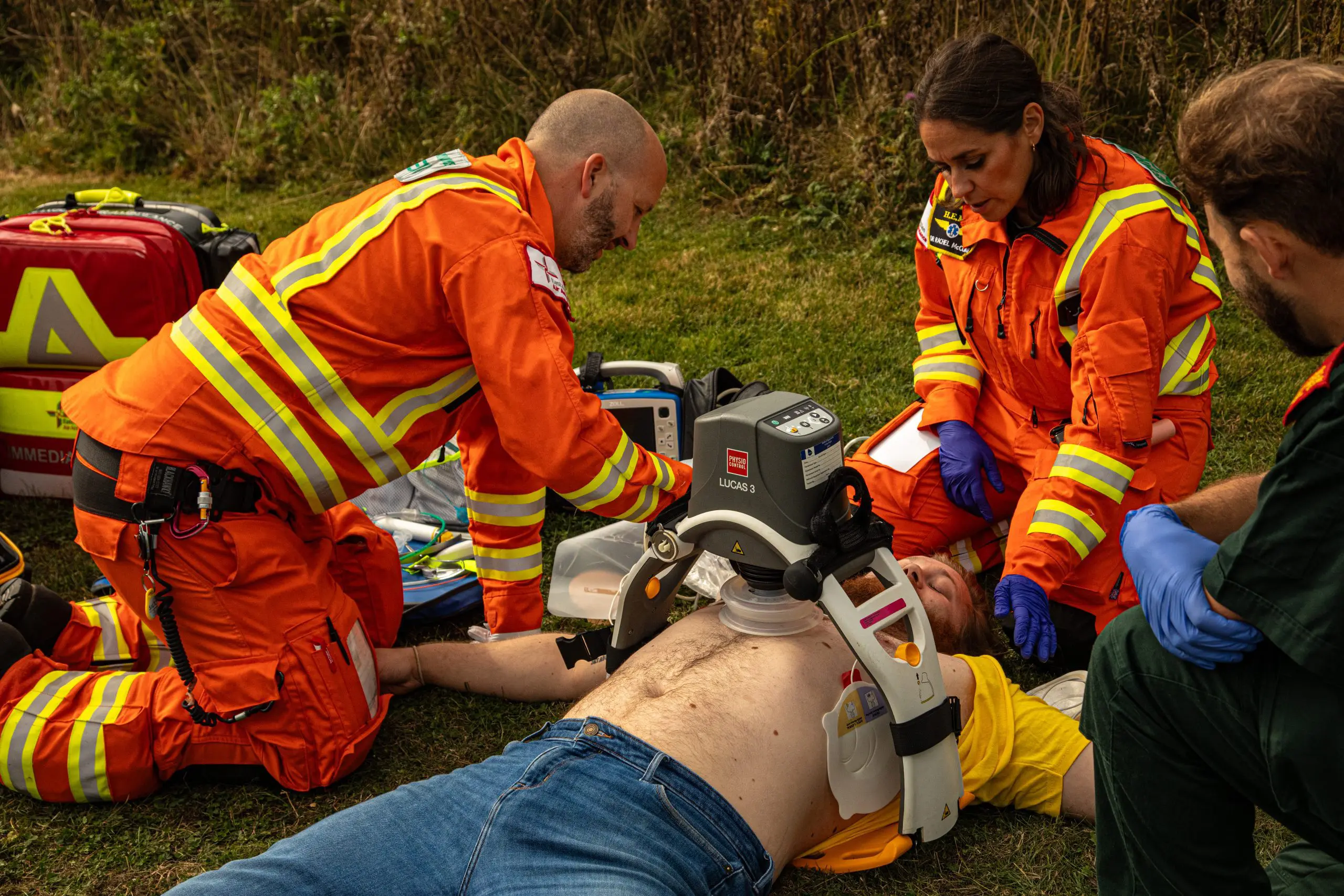
Staff not only met good practice standards in relation to national guidance, but they also contributed to research and development of national guidance to improve patient safety and outcomes. Patients, and where appropriate those close to them, were involved in assessments of their needs. Staff considered patient’s physical emotional, communication and personal care needs. Care was based on latest evidence and good practice guidance. Patient outcomes met expectations, and harm free care was the norm. Patient’s pain was quickly identified and well managed.
Staff were proactively supported and encouraged to acquire new skills, use their transferable skills, and share best practice. Where relevant, volunteers are proactively recruited and supported in their role. Staff made sure patients understood their care and treatment to enable them to give informed consent. The service regularly updates its policies and processes for using volunteers and innovative practice, and the use of volunteers helps to measurably improve outcomes for people.
Are emergency and urgent care services Caring?
Rated as ‘Outstanding’
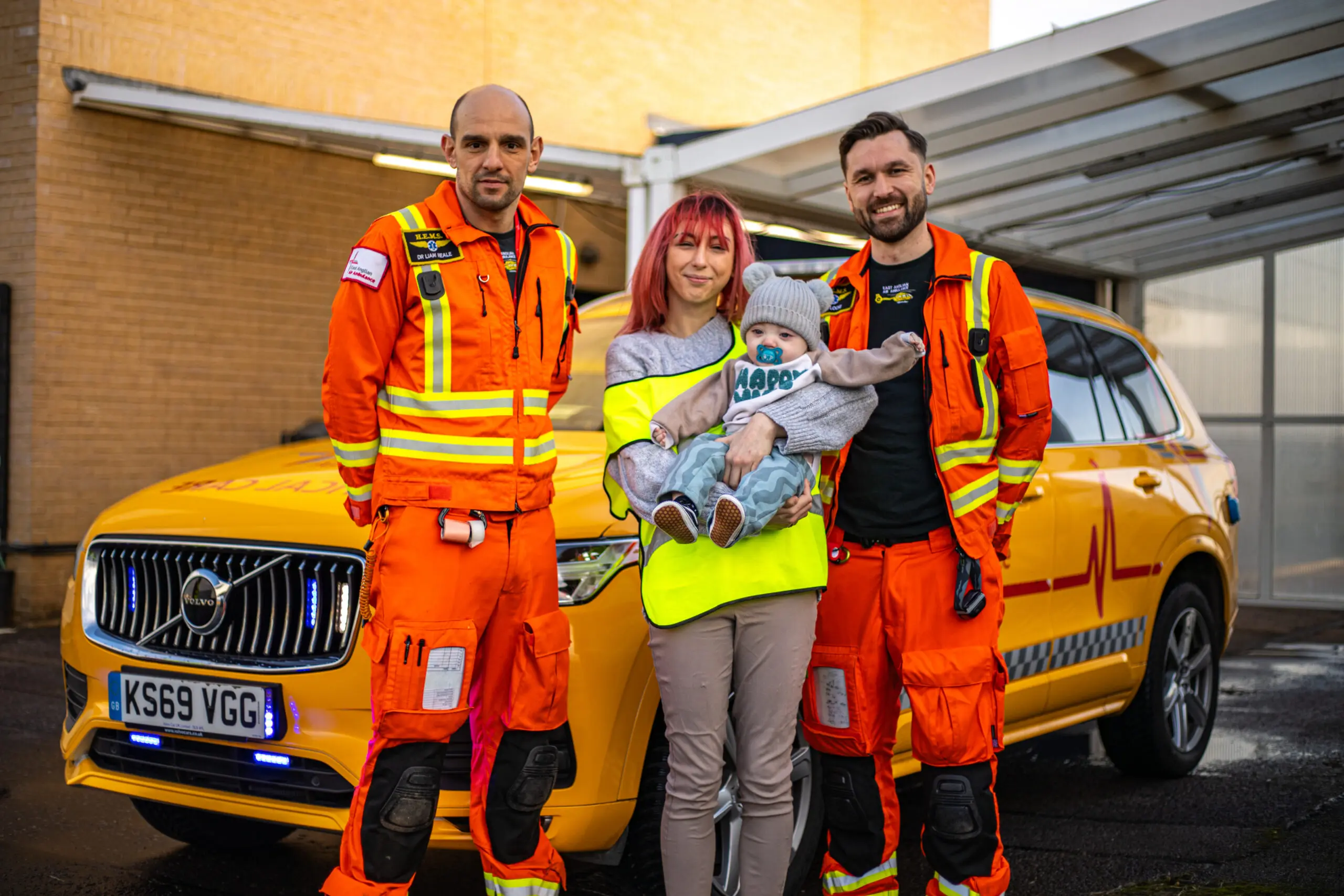
Patients were treated with kindness and compassion. Staff were motivated and inspired to offer care that is kind and promoted people’s dignity. Relationships between people who use the service, those close to them and staff were strong, caring, respectful and supportive. These relationships were highly valued by staff and promoted by leaders, the service’s Aftercare team and volunteers. Staff protected patient privacy and dignity consistently and this was embedded in everything that staff did. They treated patients as individuals and supported their preferences, people felt really cared for and that they mattered. Staff responded to patients in a timely way. Patients had the opportunity to ask questions and were responded to in an open and caring manner.

Are emergency and urgent care services Responsive?
Rated as ‘Outstanding’
Patients, or their representatives, were involved in decisions to express their preferences and ensure that their individual needs were met. The service provided information which patients could understand. Patients were invited to give feedback, knew who to speak with if they had concerns and were confident the service took their concerns seriously. The service has a proactive approach to understanding the needs and preferences of different groups of people and to delivering care in a way that met these needs, which was accessible and promoted equality. The service monitored and worked to improve access. Vehicles and equipment were adjusted to meet the needs of people with conditions which could create a barrier to access. Staff used technology innovatively to ensure people had timely access to treatment, support and care. The service demonstrated where improvements had been made because of learning from reviews and that learning was shared with other services. The service worked to reduce health and care inequalities through service planning, quality monitoring, staff training and feedback. The service supported staff wellbeing.
Are emergency and urgent care services Well Led?
Rated as ‘Outstanding’
Leaders and staff knew the service’s local vision, aims and objectives and understood how their service, aligned with this. The leadership, governance and culture drove and improved the delivery of highquality person-centred care. There was a culture based on speaking up, listening, learning and trust. Leaders had an inspiring shared purpose and strove to deliver and motivate staff to succeed. They were visible, knowledgeable and supportive, helping staff develop in their roles. There was a systematic and integrated approach to monitoring, reviewing and providing evidence of progress against the services strategy and plans. Staff felt supported to give feedback and were treated equally, free from bullying or harassment. Staff understood their roles and responsibilities. Leaders had sound oversight of the quality of service being delivered through effective governance and risk management systems. Leaders at all levels demonstrate the high levels of experience, capacity and capability needed to deliver excellent and sustainable care. Staff with protected characteristics felt supported. There was a culture of continuous improvement with staff able to contribute ideas through a quality improvement programme.
Are emergency and urgent care services Safe?
Rated as ‘Good’
The service had an open learning and incident reporting culture, with both staff and patients feeling able to raise concerns, patient safety was at the centre of providing harm free care. Managers investigated incidents thoroughly, shared learning and were transparent to improve service and promote high quality care. The service had comprehensive systems to protect patients and keep themsafe. The team were engaged in reviewing and improving safety systems and understood and implemented patient safeguarding arrangements. There were enough staff with the right skills, competencies qualifications and experience in the service to ensure high quality care. The continuing development of the staff’s skills, competence and knowledge was recognised as being integral to ensuring high-quality care. Managers made sure staff received training and had regular appraisals to maintain high-quality care. Staff managed medical gases and medicines safely. Staff identified and reacted to unexpected deterioration in a patient’s condition and used innovative treatment to ensure optimal outcomes. Staff understood and managed risks from the environment. The vehicles and equipment met the needs of patients, were visibly clean and well-maintained. The service used effective governance systems to manage risks and patients benefited from a culture of safety and highquality patient focused care. Leaders encouraged innovation and research to achieve sustained improvements in safety and continual reduction in harm.