Latest incidents
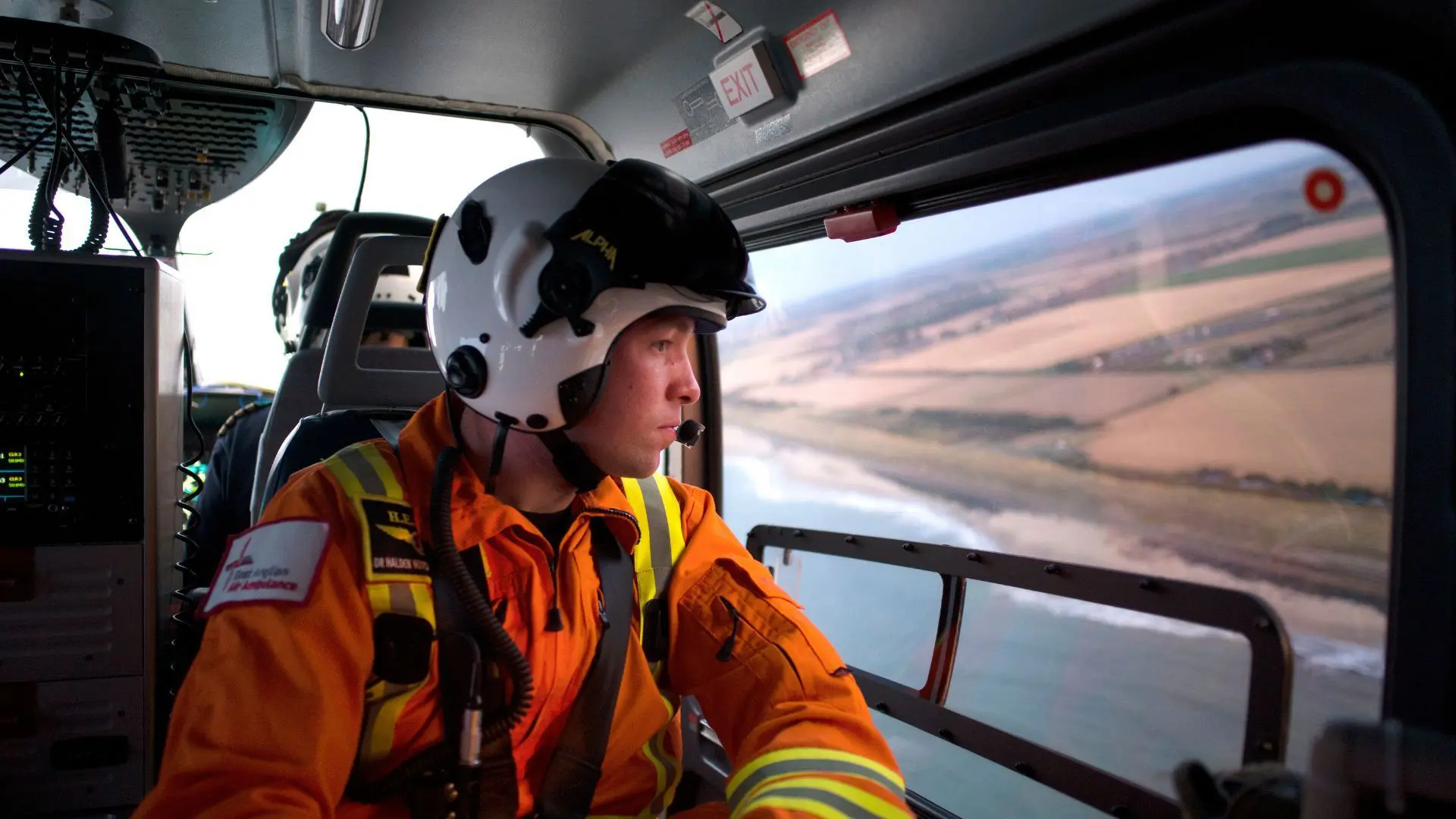
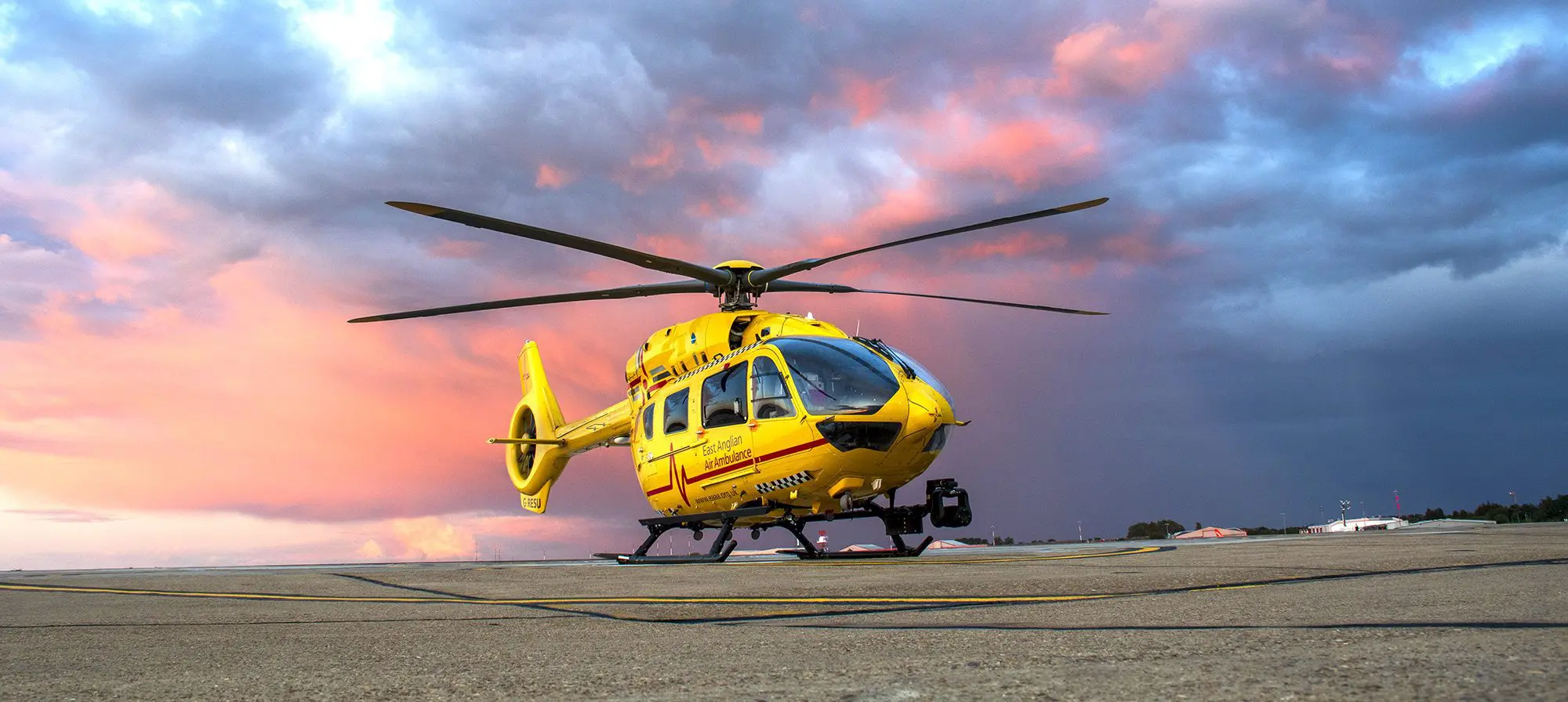
From bases in Norwich and Cambridge, our critical care crews are tasked to people in urgent need of advanced treatment and care. On average, the crews are tasked to eight medical emergencies and treat five patients each day.
Lifesaving expertise
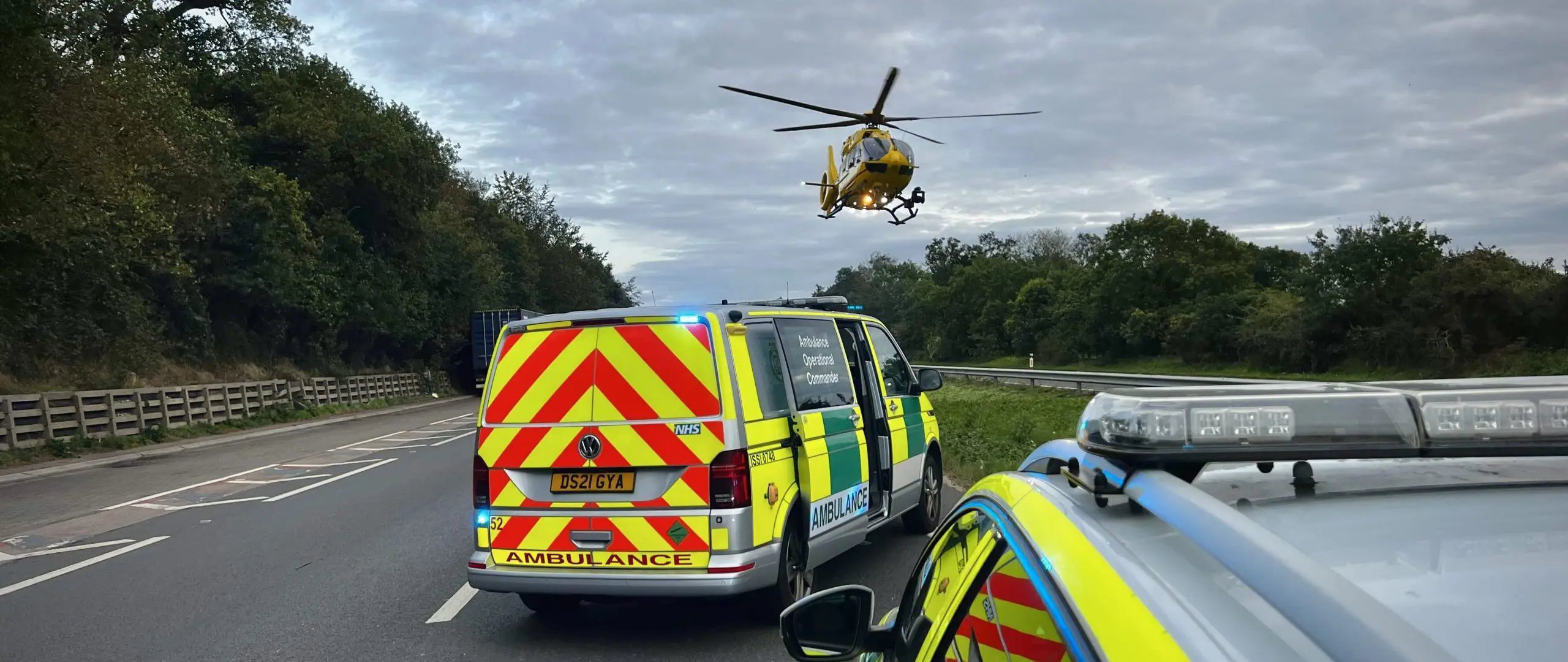
Across all age groups, men make up nearly two-thirds of our call-outs. The leading causes for needing our air ambulance are medical cardiac arrests, road traffic collisions, and other serious medical emergencies. Cardiac arrests, in particular, continue to rise and are now the most common reason we’re called to help.
These are among the most time-critical emergencies, and our crews bring hospital-level expertise and equipment to the patient’s side, often making the difference between life and death. Road traffic collisions have seen a slight decrease over the years, but they still represent a significant portion of our work, requiring rapid response and advanced trauma care.
In 2025, your support enabled:




Latest incidents
You can view some of our latest incidents below. To protect the privacy of our patients and their families, locations on the map are not accurate and represent the general area to which our crew was tasked. Not all taskings are published for confidentiality reasons.



Your donation saves lives

Request patient support
Following a medical emergency attended by East Anglian Air Ambulance, our dedicated Aftercare team is available to provide support to patients, families and those who may have witnessed the incident.