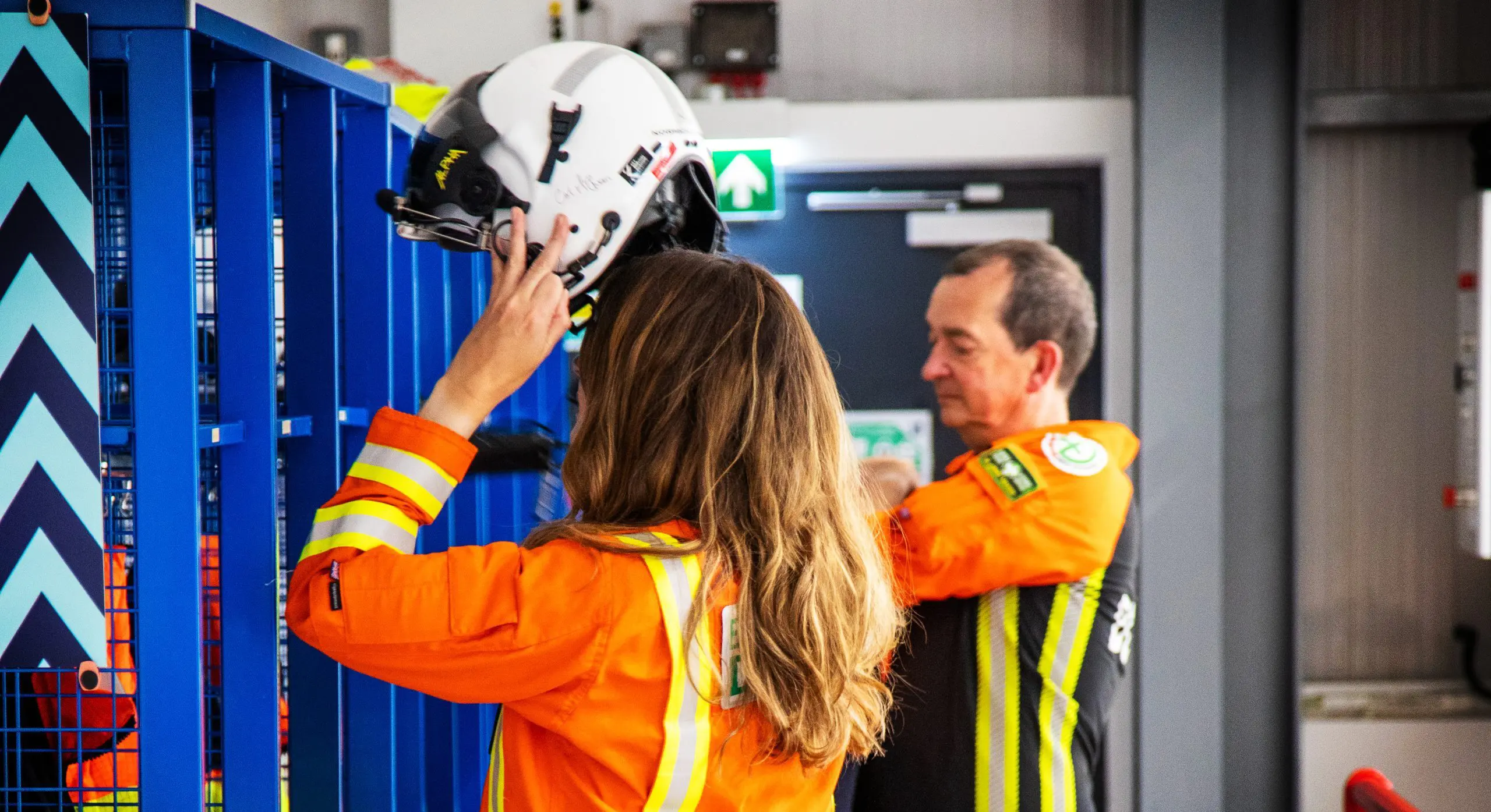
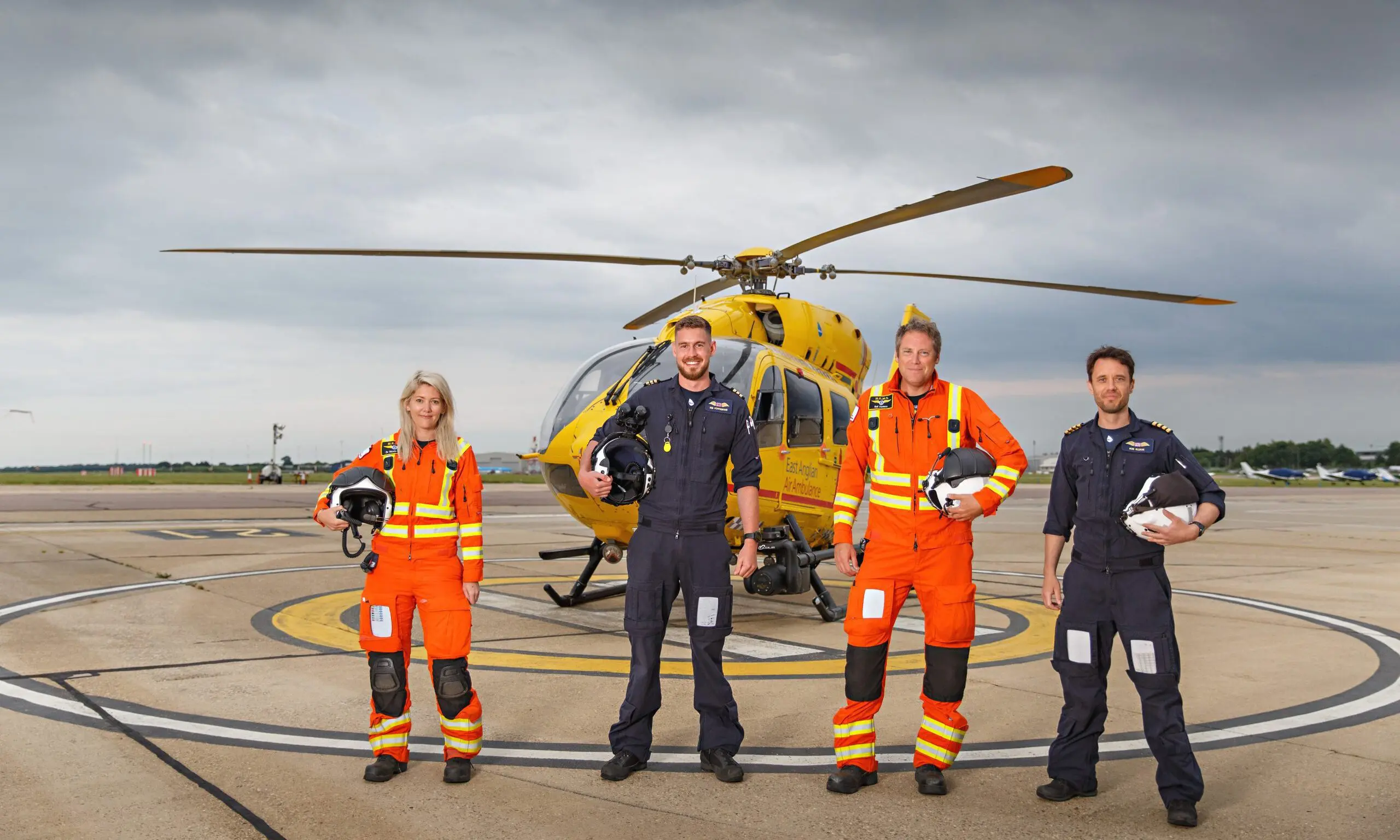
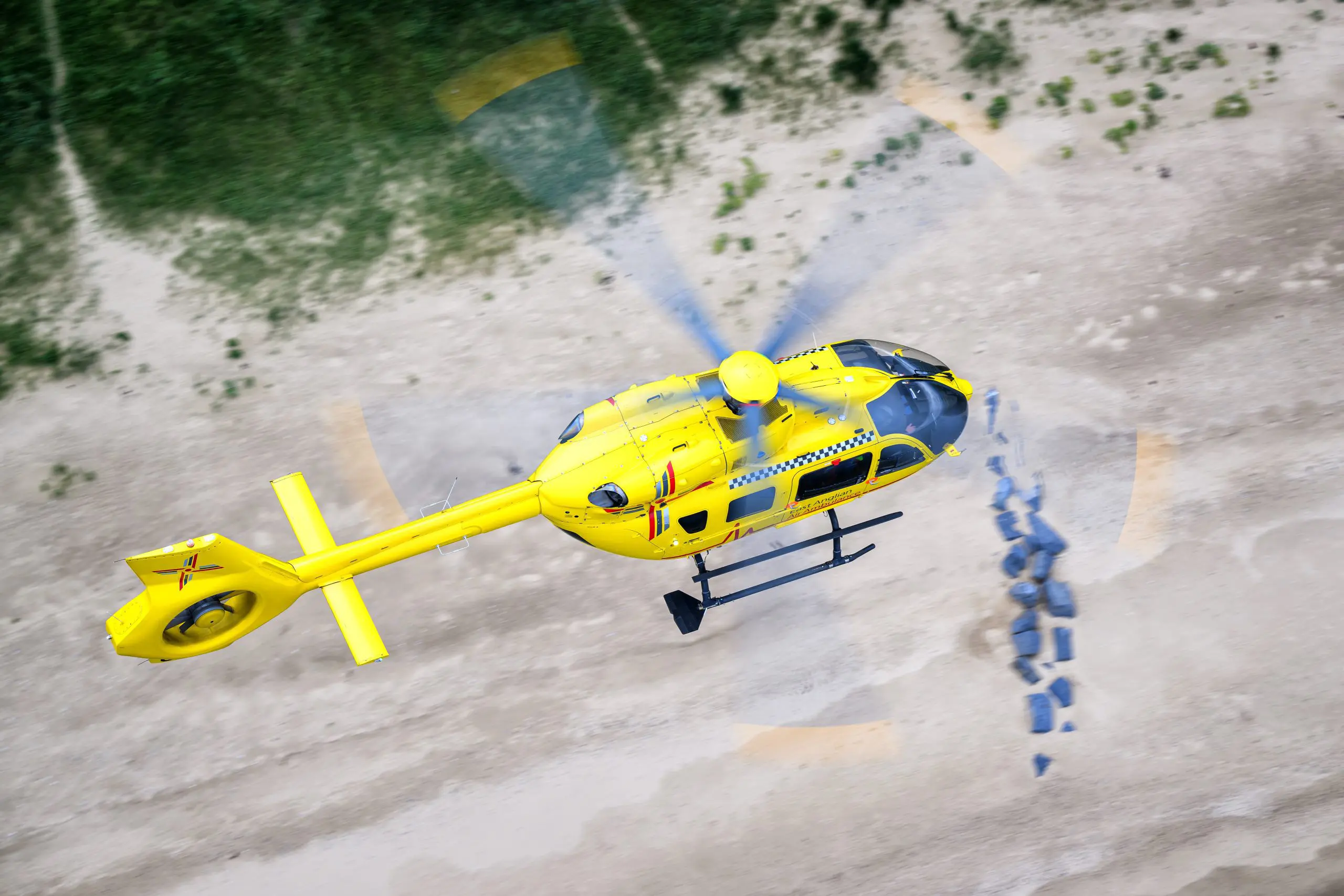
East Anglian Air Ambulance crews attend medical emergencies throughout Bedfordshire, Cambridgeshire, Norfolk and Suffolk, and sometimes beyond. The region we cover includes agricultural area and farmland, as well as Newmarket - the home of horseracing. This means that some of the incidents attended by the crew may be equestrian-related.
Helicopters and horses
If we’re tasked by air, pilots will always plan landing sites carefully – regardless of the incident. This is especially important when horses and livestock are involved. Horses don’t like helicopters and, whether we’re attending one person who has been injured while out on a hack, or a larger equestrian event or yard, pilots will endeavour not to overfly and spook the horses. This may mean that we land further away from the incident scene.
We also ask questions prior to reaching the patient, such as are the horses secure or led away from the scene so we can safely provide treatment and care.
Mechanism of injury
Horse-related incidents really could result in a range of traumatic injuries, and we will ask about and consider the mechanism of injury, of which there are typically three kinds in this type of incident:
- The person has fallen off a horse
- The horse has fallen and has crushed a person or people
- A horse has kicked a person or people
For each of these, we will consider the size of the horse and whether a fall at speed was involved too. This can guide injury patterns; a kick could be an isolated injury, while a fall could result in poly-trauma – many injuries – and these may require additional critical care interventions to give the injured person the best chance of survival and recovery.
Advanced interventions
Our crews provide advanced skills, medication and equipment over and above those of the ambulance service and we support our ambulance service colleagues by bringing this enhanced treatment and care directly to scene.
If somebody is very seriously injured, then we will consider giving them a pre-hospital emergency anaesthetic, so that we can manage their airway effectively, ensure controlled and adequate ventilation and oxygen delivery – this is especially important in the event of head injuries – and to help prevent secondary injuries.
In some cases, we will administer sedation. For example, if someone has fallen from a horse and requires relocation of joints or manipulation of fractures. Sedation is usually given intravenously and will help patients feel more relaxed during many of the procedures our crews carry out. There are different levels of sedation which can be classified as minimal, moderate and deep sedation. For example, a patient who has suffered an open leg fracture will usually require a deeper level of sedation to ensure they are unaware of the, sometimes painful, manipulation procedure. In the event of open fractures, we will also administer antibiotics to reduce the chances of infection.
Blood on board
There is also the possibility of internal injuries to the, for example, liver, spleen and chest, and we have previously attended some very severe equestrian-related injuries where the patient has needed a blood transfusion at the scene. Since 2021, East Anglian Air Ambulance has been able to deliver blood transfusions as a core part of its lifesaving service. This ensures that the most gravely injured patients suffering a major bleed, including horse-related traumatic injuries, have the best chance of getting to hospital through increasing oxygen delivery and clot production.
Which hospital?
The perceived severity of the patient’s injurie will determine the destination hospital. If they are major trauma positive, then we will transfer them to a Major Trauma Centre, which will have the specialist services for their ongoing treatment.
The treatment and care that we’re able to provide to people, including to the farming and equestrian community, in our region is fuelled by your donations. Thank you for everything you do to ensure our crews can be there for people when they need us most.
Related News