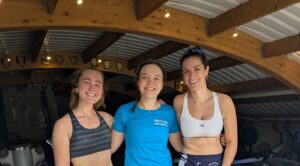
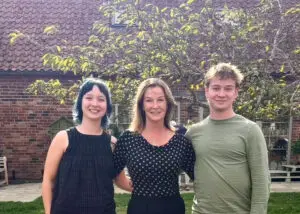
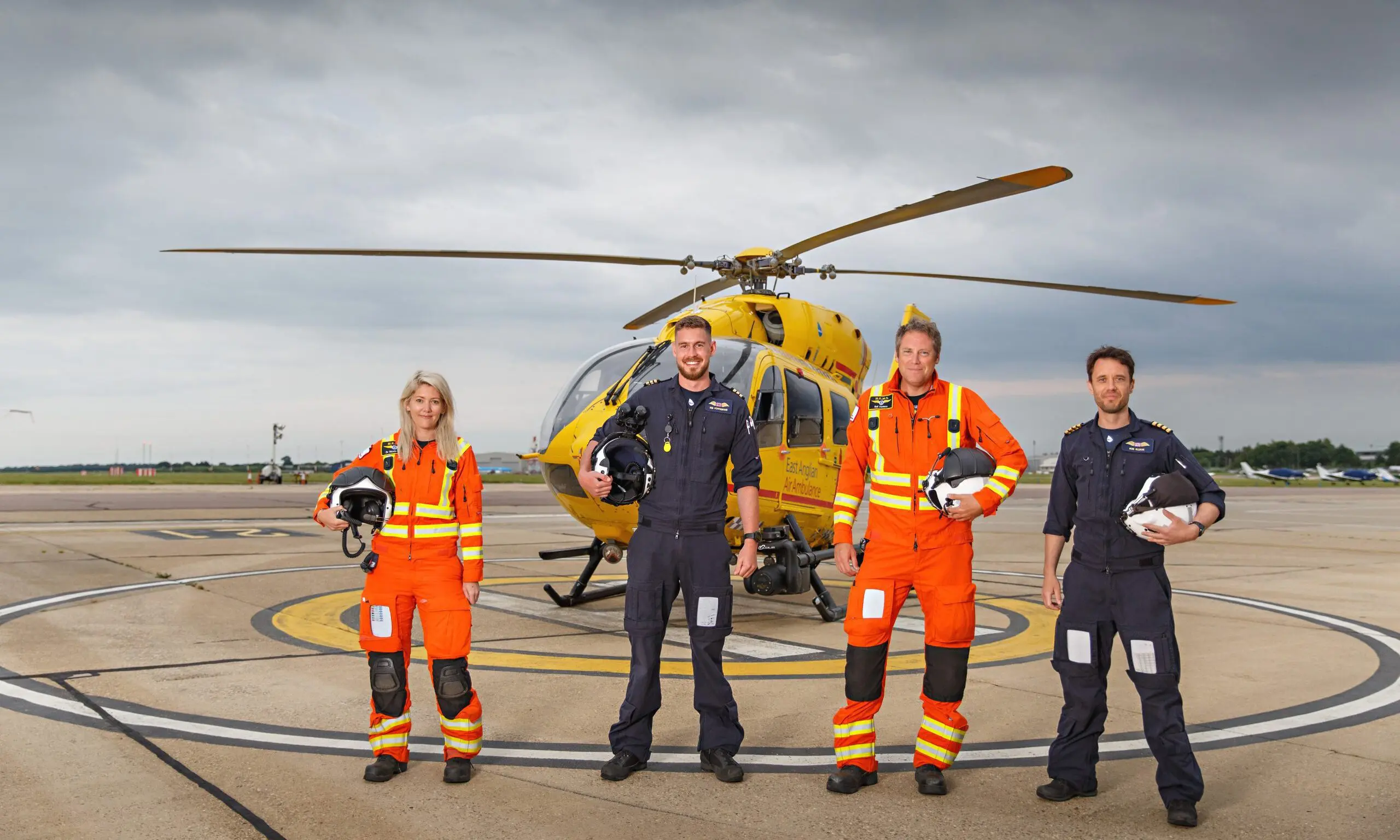
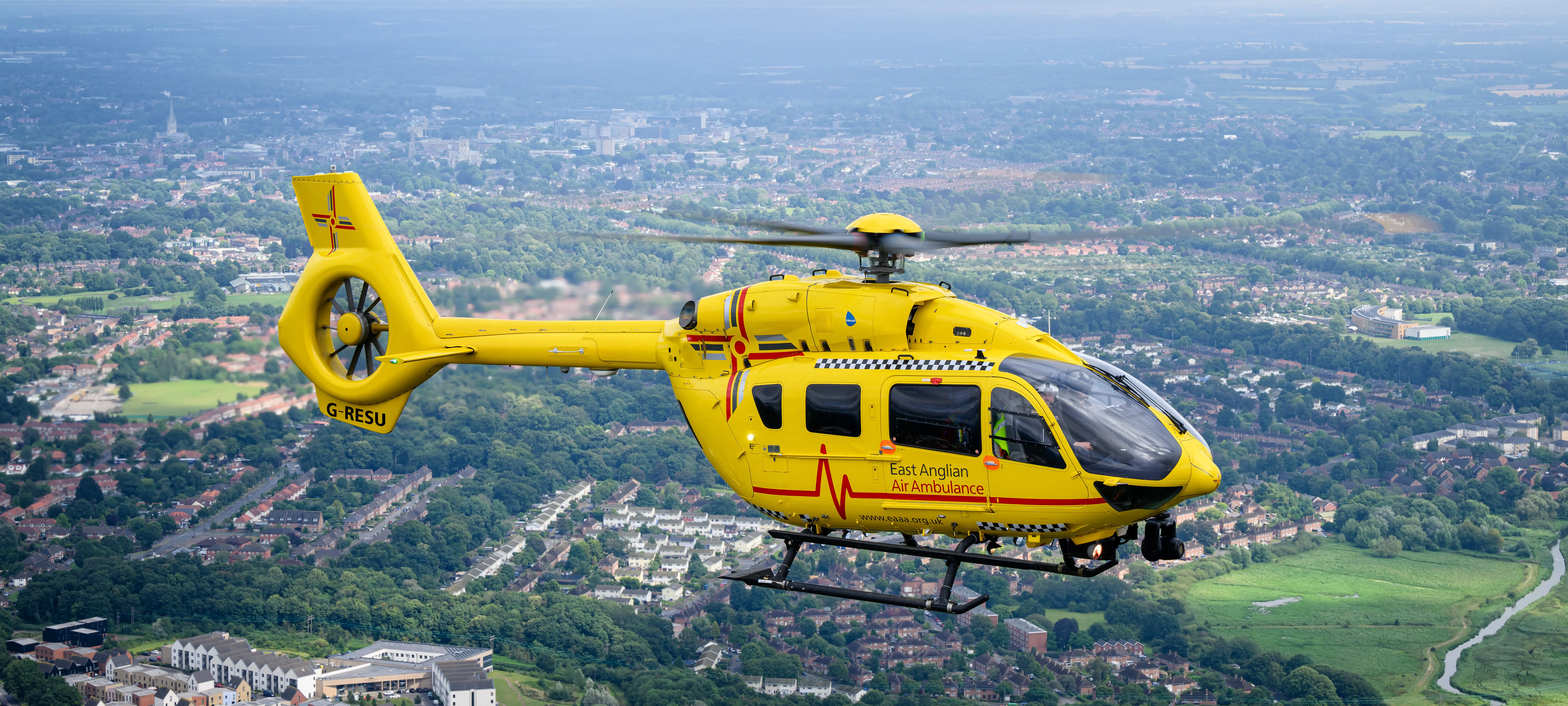
Every six to twelve months, a new cohort of doctors and paramedics join East Anglian Air Ambulance. At the start of their placement with us, they undertake specialist training in Pre-Hospital Emergency Medicine (PHEM) to equip them to deliver the very best treatment and care to the people we’re called to help. This month, we warmly welcomed doctors Alex, Benjamin and Shadman, and paramedics Micayla, Lee and Richard through the doors of Helimed House, our Norwich base, to complete their week of intensive training before starting supervised shifts on our helicopters and critical care cars.
And it’s no mean feat, as they are really put through their paces. Already highly skilled and experienced clinicians in fields such as emergency care and anaesthesia, our PHEM course has given Alex, Benjamin, Shadman, Micayla, Lee and Richard the skills to take their expertise straight to people in our community in their most urgent moments of need.
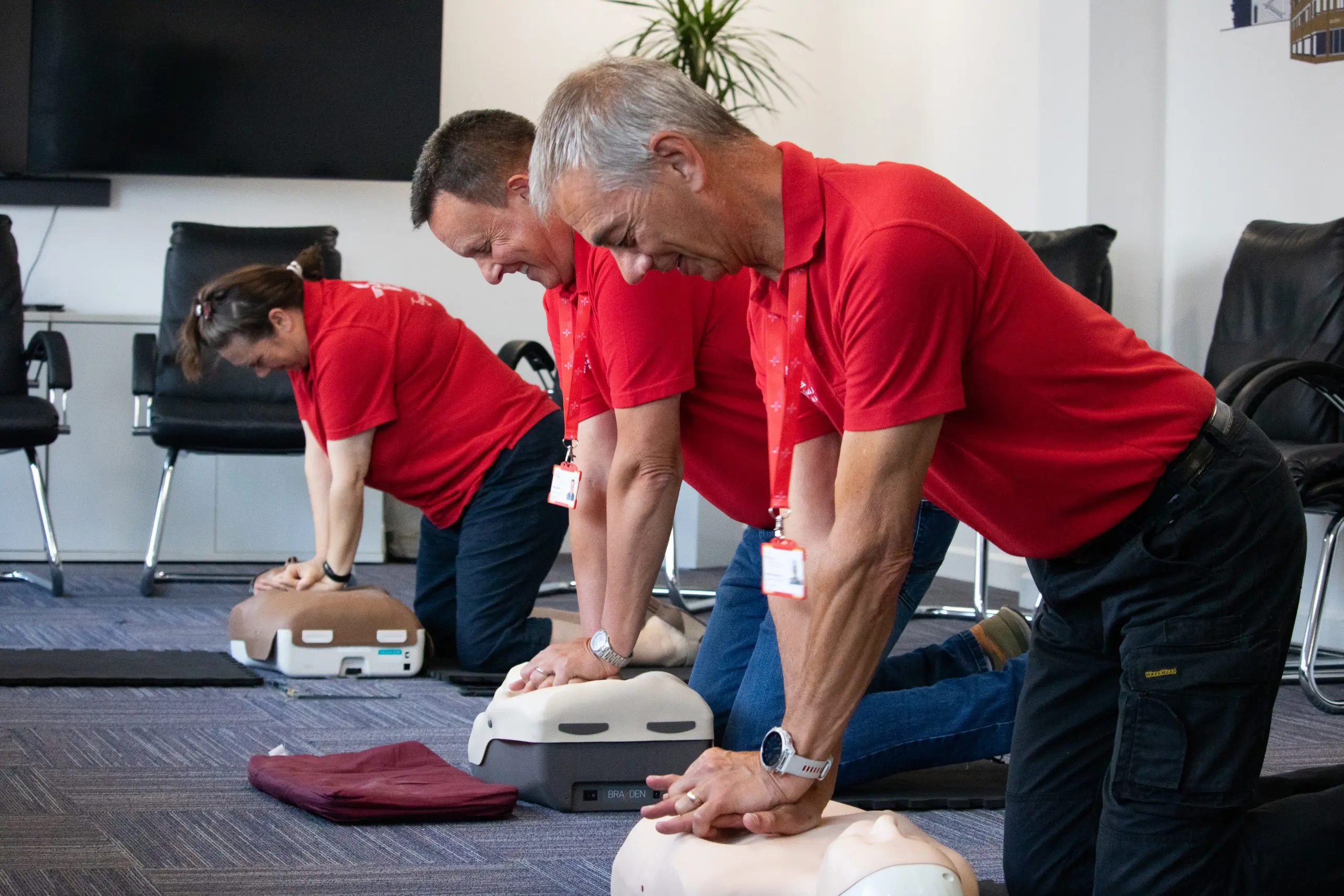
During a week of PHEM training, all doctors and paramedics new to East Anglian Air Ambulance follow in the footsteps of previous clinicians by completing theoretical and practical sessions, which cover the procedures and advanced treatment and care that our Norwich and Cambridge-based crews provide, 24/7, across the region.
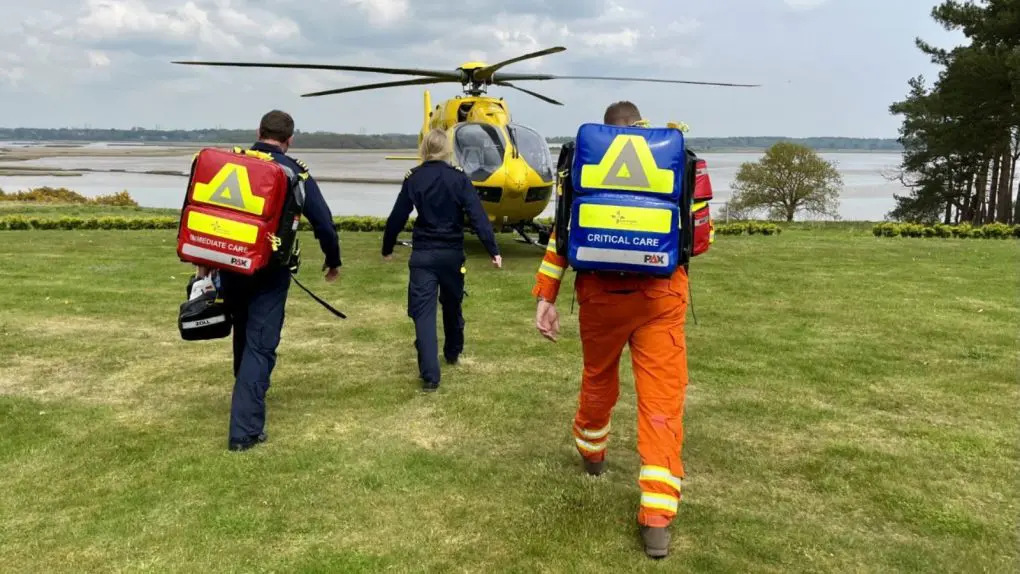
Whether the training replicates the scene of a road accident, an incident in the countryside or in somebody’s home, the crew need to be ready to respond. Every single time. So the intensive week’s PHEM training supports them to give blood transfusions, emergency anaesthetics or even perform emergency surgical procedures before they start their supervised shifts.
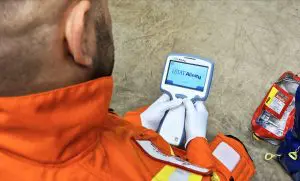
We set up real-life scenarios to create settings to train for emergencies with advanced, realistic training manikins. Because we’re a vital partner to the emergency services, we’re often joined at the training sessions by some of our ambulance service colleagues, who kindly provide valuable help during the practical sessions to make scenes as realistic as possible. Our state-of-the-art simulation suite can be changed to simulate different environments. We can project scenes onto the walls of the simulation suite, play audio – not the crew’s favourite playlist – but realistic sounds from out in the field such as traffic noise, sirens and voices. We can even replicate weather, including heat, cold and wind.
But the week is about more than the practical capabilities that each new crew member needs. It’s preparing the team to deal with the unique challenges that pre-hospital critical care can bring: Quickly finding focus and bringing calm leadership and decision-making to the chaotic moments of a medical emergency. It’s learning to work under pressure as a tight-knit team on the roadside, in a field, in a town centre. It’s providing the utmost care for a critically injured or unwell patient, balanced with compassion for their loved ones at the scene. It’s more than skills and expertise; it’s communication, it’s collaboration, it’s kindness. It’s everything.
It’s delivering the very best care when the very worst happens.
Related News