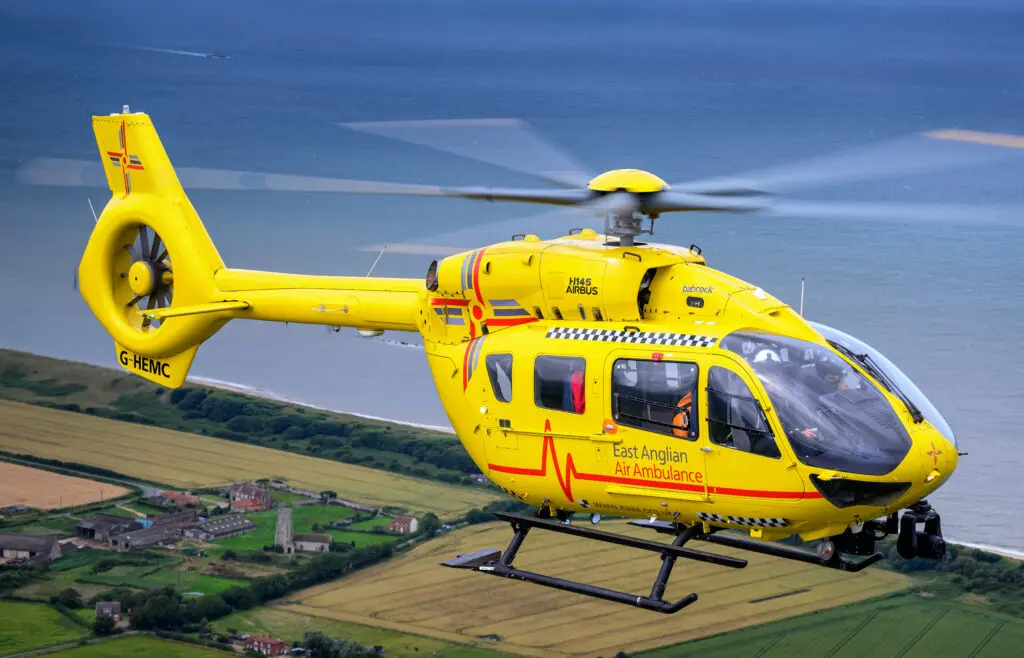
Picture this. You're in the car on your morning commute to work and you’re stuck in stationary traffic. But then you hear the rotors of a helicopter. Looking up, you see it’s East Anglian Air Ambulance and suddenly it all makes sense. There’s been a collision on the road ahead of you, and you start wondering exactly what is inside that yellow helicopter and how does it help people in need?
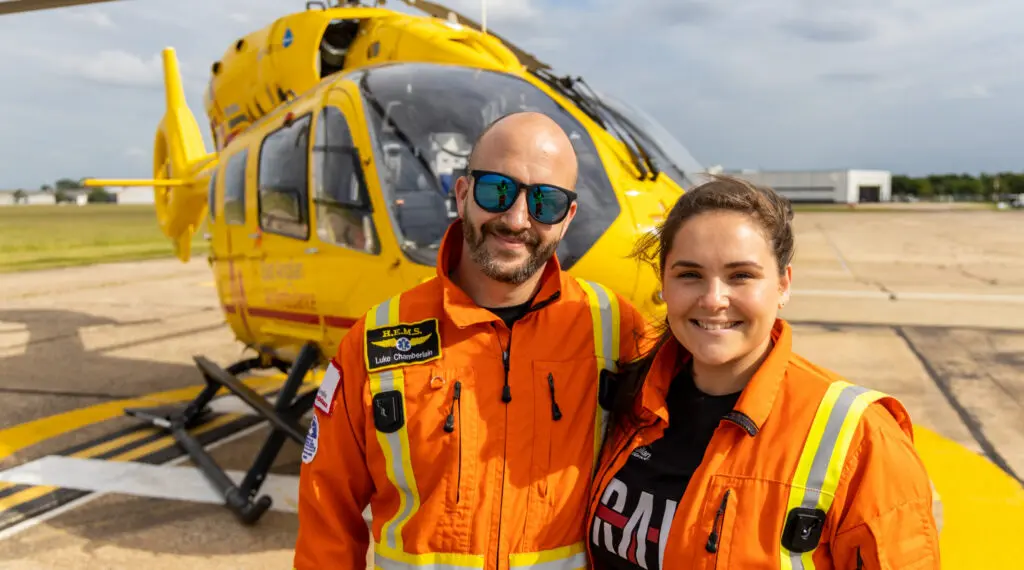
This International Paramedics Day, which has the theme ‘Innovate and Integrate’, we’re hearing from Clinical Lead and Critical Care Paramedic Luke Chamberlain, who explains more about the enhanced care our crews bring to the scene of emergencies, and how doctors and critical care paramedics work together and with other emergency responders to help our region’s most seriously ill and injured people.
Five people every day, on their worst day
We treat an average of five people every day – it’s around 1% of the most seriously injured and unwell people across our region. Behind every single one of those taskings is a doctor and a critical care paramedic, supported by highly skilled pilots. Together, we bring hospital-level care directly to someone in the worst moments of their life.
Why an air ambulance?
When someone dials 999, they might be frightened and unsure what to do next. The call handler will ask calm, clear questions to understand what’s happening. Every answer helps them decide what’s needed, so the right ambulance team can get there as quickly as possible.
If the situation is life-threatening, such as a serious medical emergency, like a cardiac arrest, or major trauma, serious injuries from a road accident, for example – the East of England Ambulance Service Trust (EEAST) Critical Care Desk (CCD) may decide that extra specialist support is needed. That’s when our Helicopter Emergency Medical Service (HEMS) crew is tasked.
By bringing our advanced skills, medication and equipment straight to the scene, it means somebody can receive critical care, fast.
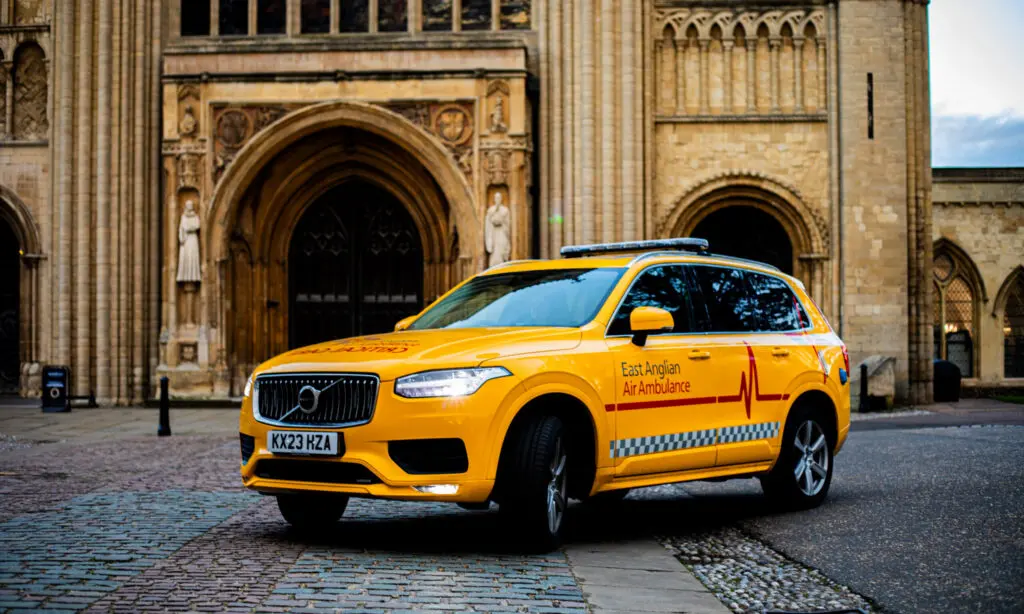
It’s not always by air.
When tasked by road, it’s the critical care paramedics who drive to the scene of the incident. Land vehicles are sometimes the quickest way to reach patients, particularly when the emergency is in a location that helicopters cannot easily access, such as built-up urban areas, or when weather conditions fall outside legal flying limits. As paramedics, we’re trained and qualified in blue light driving, having completed advanced driving courses.
Travelling by road also allows the doctor on shift to keep planning for the medical emergency while on the way to the patient. Except for the stretcher, our critical care cars carry all the same equipment and medication as the helicopter. It’s just a different way of reaching the ill or injured person.
The difference between orange and green
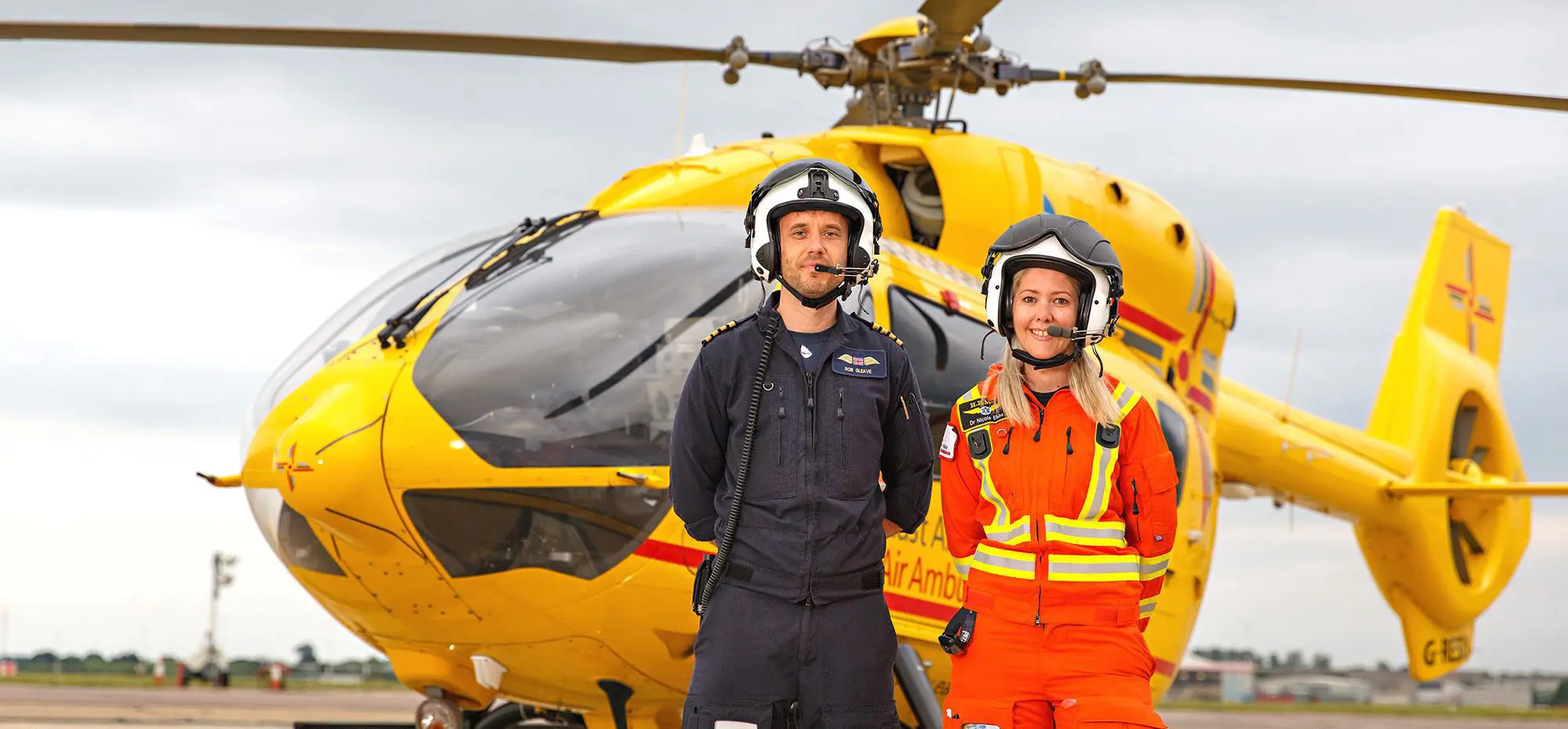
Paramedics with land ambulances wear green. Critical care paramedics with East Anglian Air Ambulance wear orange, alongside our doctors.
As a HEMS crew, we have access to enhanced medications, like advanced pain relief, and have advanced clinical skills and equipment. We also have additional experience and can apply enhanced clinical decision-making about treatment options for patients. While we have different roles to ambulance service paramedics, it’s a privilege to serve alongside them. Whether dressed in orange or green, we all work together to give somebody the best possible care, which is delivered with utmost respect and compassion.
It takes a team
It takes a whole crew to save a life – and that crew includes you. We’re powered by your donations, so while this International Paramedics Day recognises innovation and integration, it’s you who makes it all possible.
Related News