On the August Bank Holiday in 2024, Sarah Oakley-Mudge was chatting with her 18-year-old daughter, Chloe, at their home in Fen Drayton, Cambridgeshire. Chloe, who had always been healthy and active, suddenly collapsed in cardiac arrest. It was a desperate fight for Chloe’s survival, and the events of that night led Sarah and her son Nathan to now volunteer their time with East Anglian Air Ambulance to give more people the skills and confidence to step forward in an emergency to potentially save a life.
“It was quickly apparent that something was drastically wrong with Chloe,” Sarah explains. “There was no pulse and she wasn’t breathing. I didn’t realise at the time that it was a cardiac arrest, but I quickly recalled the CPR I learned many years ago.”
The 999 call was made at 22:44. Our crews can get to the scene quickly by air or road – but not as quickly as the people already there. 15-year-old Nathan rushed to fetch the nearest defibrillator while Sarah continued CPR. She says that the chest compressions she performed on her daughter weren’t perfect – but the crucial point is that she acted and acted quickly before the emergency services arrived, giving Chloe a fighting chance.
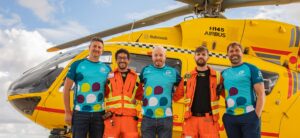
Two land ambulances arrived at Sarah’s home, followed by our Anglia Two (Cambridge) crew in a critical care car. They were returning to base from another tasking and were only a few minutes away when Chloe needed them. Our crews’ partner with the ambulance service at the most serious 1% of medical emergencies. When Anglia Two’s Dr Liam Neale and Critical Care Paramedic Gary Spitzer arrived, Chloe had received four defibrillator shocks from the East of England Ambulance Service and was breathing on her own again. However, she was still in a life-threatening situation and needed the advanced skills, equipment and medication that Dr Liam and CCP Gary could give her at home before she even reached the hospital doors. This included intubating her to manage her airway and inserting an arterial line, so they could monitor her blood pressure beat by beat and respond quickly to any changes. The Anglia Two crew then accompanied Chloe to Addenbrooke’s Hospital before she was transferred for specialist cardiac care at Papworth Hospital.
“We nearly lost her,” Sarah continues. “Thankfully, she was stabilised within half an hour of arriving at Papworth.”
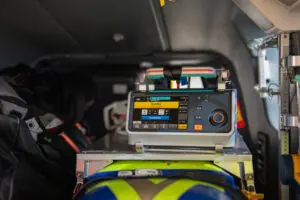
Chloe was diagnosed with a genetic mutation called Long QT Syndrome, which affects the electrical activity of the heart. She was fitted with an implantable cardioverter defibrillator (ICD), a lifesaving device that monitors and corrects dangerous heart rhythms by delivering electric shocks when necessary. She recovered well, took a year out before starting university and is now “doing brilliantly.”
“We’re so lucky it happened where it did – at home where I could help. Chloe could have been anywhere – out with friends or driving on her own,” Sarah added.
The experience left Sarah determined to help more people know what to do in a cardiac emergency. At the end of 2025, she contacted East Anglian Air Ambulance to become a Volunteer CPR Trainer.
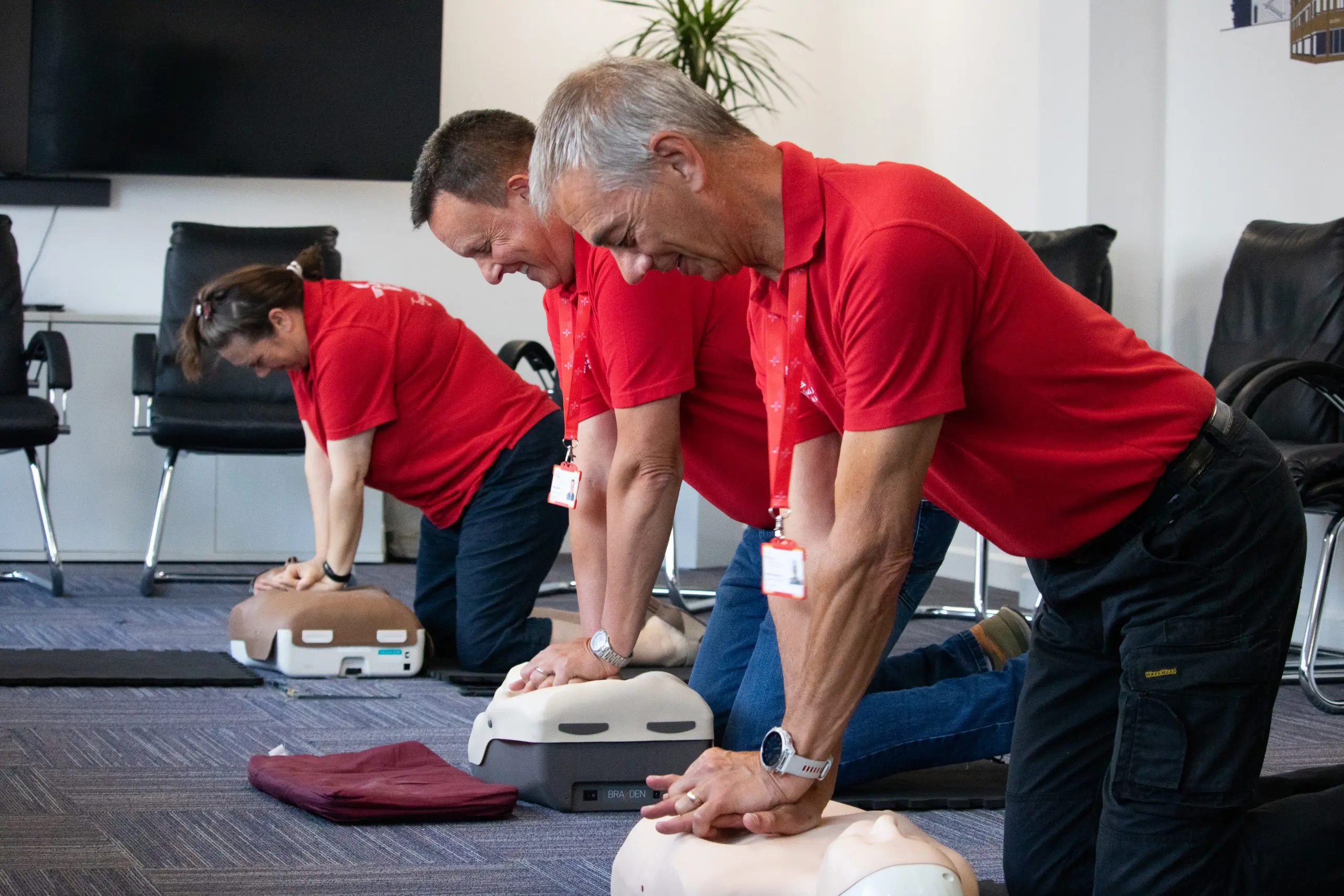
A cardiac arrest is a time-critical and life-threatening medical emergency and every minute matters. The more people trained in CPR and how to use a defibrillator, the more potential lifesavers there are in our communities. East Anglian Air Ambulance’s Community CPR Training team, supported by an incredible army of volunteers, provide free one-hour training to people right across the region. This equips more people with the skills and confidence to perform CPR and use a defibrillator when somebody has a cardiac arrest – before the emergency services arrive on scene.
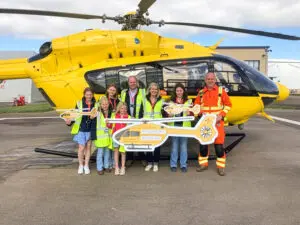
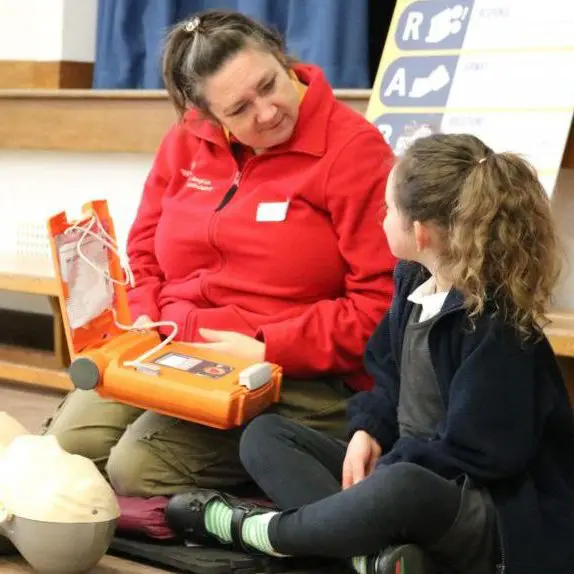
Sarah has now been a Volunteer CPR Trainer with East Anglian Air Ambulance for nine months and frequently delivers training accompanied by her son, Nathan who is also a CPR training volunteer.
“It feels really positive that we can do this together after such a traumatic experience,” Sarah says. “Our aim is to help people feel more confident about delivering CPR and using a AED. Knowing that more people will be able to act quickly if the worst happens makes it feel incredibly worthwhile.”
Related News