National Blood Bike Day: Thank you, Blood Bike Volunteers
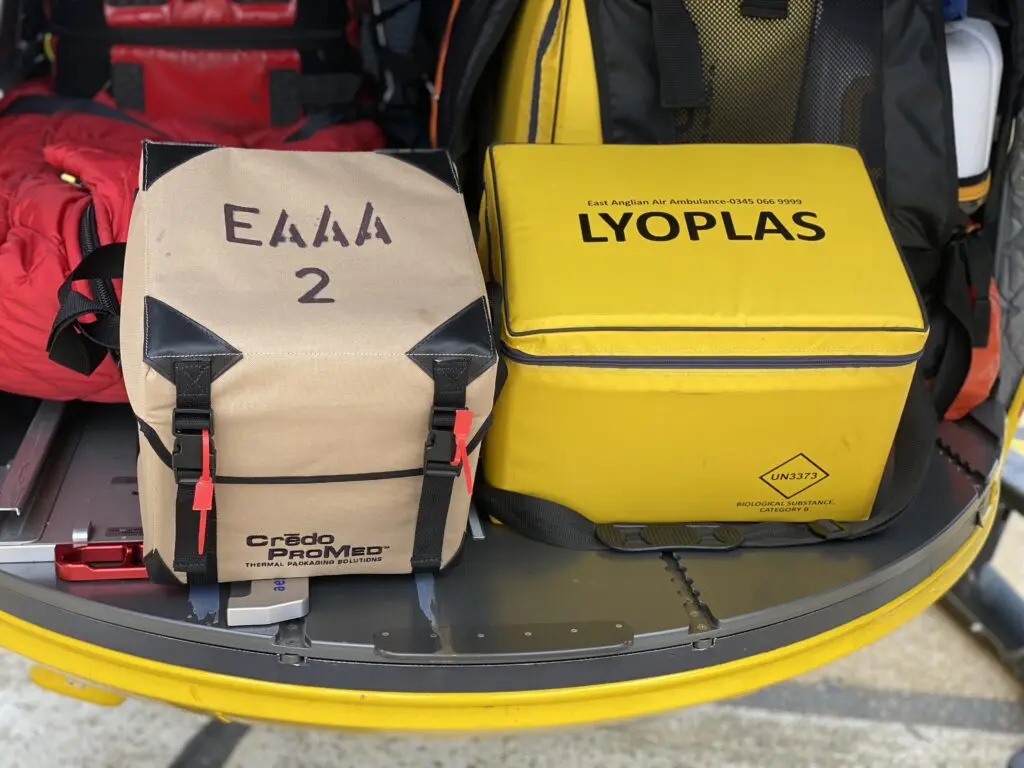
When our crews reach a patient who’s lost a serious amount of blood, having advanced skills, equipment and medication on board our helicopters and critical care cars can make all the difference. This is where packed red blood cells and lyoplas come in; they’re usually given together, and while each plays a different role, together they allow crews to begin replacing key components of blood loss much earlier in the patient journey before they reach hospital.
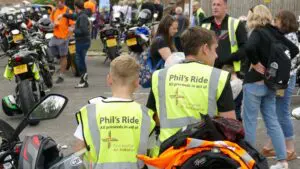
This wouldn’t be possible without local blood bike volunteers. SERV Suffolk and Cambridgeshire and Norfolk Blood Bikes deliver the packed red blood cells to our Cambridge and Norwich bases every evening making sure our crews always have what they need to treat gravely ill or injured patients suffering a major bleed. This National Blood Bike Day (14 August), a huge thank you goes to the volunteer riders and drivers who donate their time to carry blood between hospitals and our bases.
The roles of blood and Lyoplas
Blood bike volunteers deliver red blood cells to our bases daily. Red blood cells carry oxygen. When someone loses a large amount of blood, they lose the cells that carry oxygen around the body. Giving red blood cells at the scene helps to restore some of that oxygen-carrying capacity, helping vital organs keep functioning.
Lyoplas, supplied independently of the blood bike network, helps the blood clot and replaces lost volume. Lyoplas is made from plasma, the part of blood that contains clotting factors. In serious bleeding, these clotting factors are used up fast, and without them bleeding becomes harder to control. By administering lyoplas alongside packed red blood cells, crews can begin to replace the patient’s clotting factors and some of the lost volume.
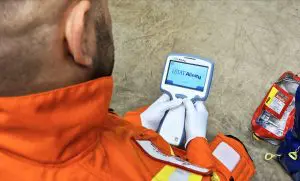
Both are warmed before they reach the patient. Blood and lyoplas are passed through a MEQU machine – a blood and IV fluid warmer. This warms them to body temperature. A patient who’s already lost blood is vulnerable to getting cold, so giving fluids at the right temperature helps protect them from further complications.
Lyoplas is ready in minutes, wherever the patient is. Unlike red blood cells, which need to be kept refrigerated, Lyoplas is a powder which is mixed with sterile water at the scene. That means our crews can prepare it on the spot, whether that’s a roadside, a field or a patient’s home, without waiting until they reach a hospital. Red blood cells are stored in thermostatically controlled cool boxes to keep them ready for use for the entire shift.
Carrying both treatments means our crews can begin advanced resuscitation earlier in the patient journey, replacing what’s been lost and helping the blood clot, in those critical first minutes to give a patient the best possible chance to reaching hospital for the next phase of their emergency care.
Thank you, Blood Bike Volunteers
Since 2021, we have performed blood transfusions as a core part of our lifesaving service, so we rely on a consistent and dependable supply of blood products to help treat some of the most critically injured people in our region. In 2025, our crews gave blood to 71 people. Blood bike volunteers from SERV Cambridgeshire and Suffolk and Norfolk Blood Bikes are a crucial early link. Their dedication means our crews – whether tasked by air or by road – have what they need, when and where it’s needed most. This National Blood Bike Day, a heartfelt thank you for the lifesaving difference they continue to make for people they may never meet.
Related News