We always endeavour to ‘fly neighbourly’ to not disturb or disrupt the communities we are proud to serve. However, there may be times when we need to land or fly in locations that we wouldn’t otherwise go to to deliver critical care. While we’re aiming to save someone’s life, we’re conscious of how our operations could affect others, and we aim to minimise disruption.
We’ve put together some information to explain more about our processes to ensure we ‘fly neighbourly’, how we assess landing sites, reduce noise and follow the 5 S AD principles to ensure a safe landing.
Noise and downwash
Pilots with our aviation partner, Babcock International Group (Babcock), receive specific training on the impact of noise and downwash – the power generated by the helicopter rotor blades which can cause a lot of air to move around. Our pilots do not fly below 500ft while en-route to an emergency and aim not to overfly residential areas unless absolutely necessary.
Why land here?
Before landing, our pilots run through the ‘5 S AD of landing’: Shape, Size, Slope, Surface, Surrounding, Access to and from the site, and Downwash. When approaching a potential landing area, they will complete an airborne assessment of the landing site at around 500ft, adopting the 5 S and AD principle to assess the safety and suitability of a landing site. Pilots may also ‘hover taxi’ the aircraft to its final landing point to do a visual check at eye level before finally committing to a landing. It needs to be the safest site, which is not necessarily the closest site.
Environmental conditions, especially the wind, will dictate our landing and departure directions. Wherever possible, pilots will adjust to avoid over flight of buildings, gardens, livestock and horses.
Flying into hospital sites
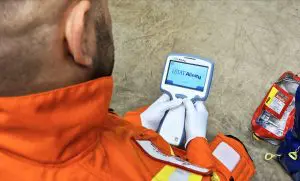
Pilots are very precise in their navigation. When flying the aircraft in and out of a hospital site, often with a seriously injured or unwell patient on board, they use an ‘Approach Plate’. This is prepared by Babcock and gives instructions on the flight paths that should be used to fly into and away from the hospital.
These flight paths are designed to minimise the impact on the hospital and surrounding community. As hospitals are dynamic environments, often with building works, cranes etc, and the wind is never at a constant speed or direction, we may sometimes need to adjust the flight path, but the amount of overflight (flying over a residential area) will always be kept to an absolute minimum.
Here for you and your loved ones, 24/7
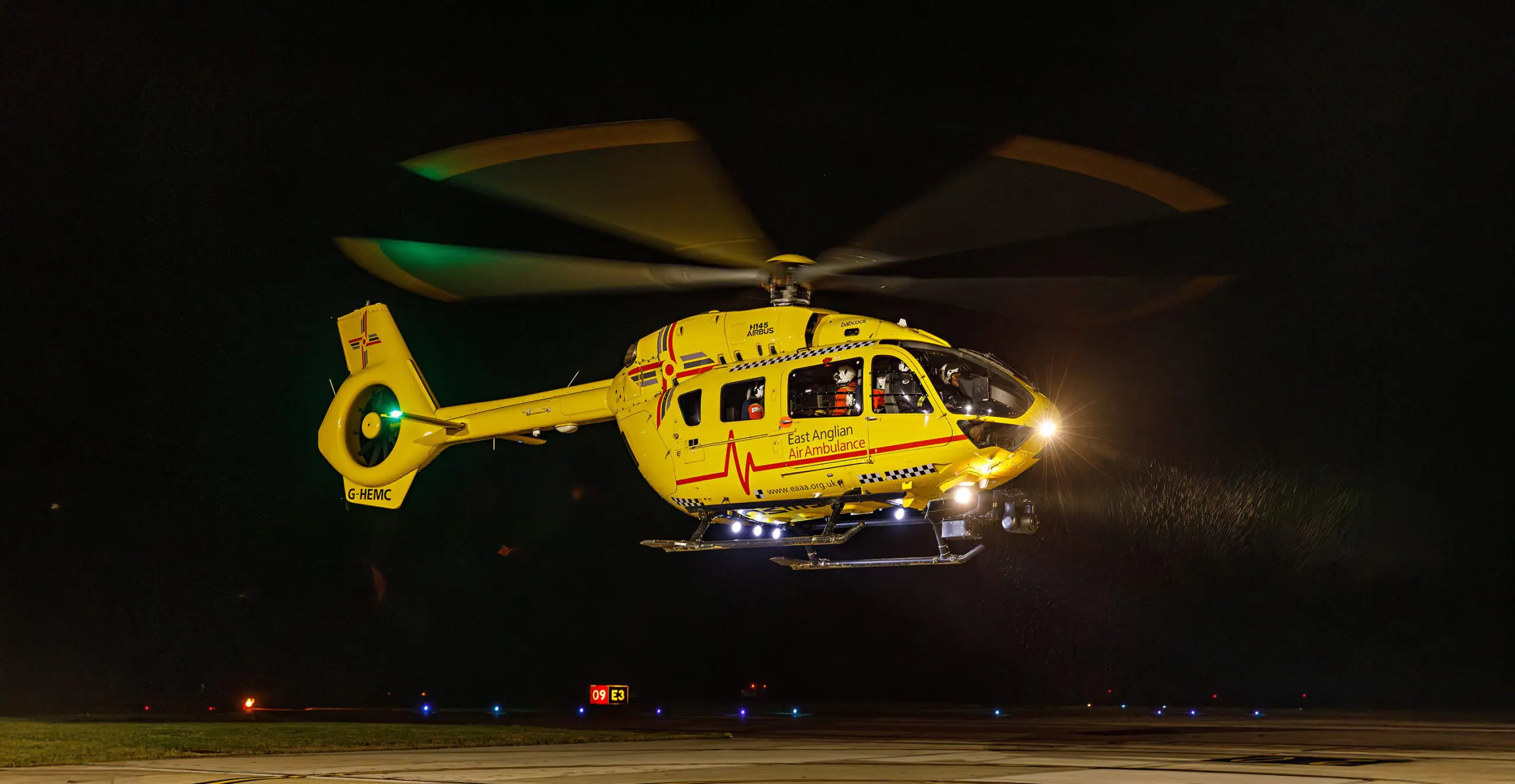
Our crews are ready to respond to medical emergencies at a moment’s notice, 24/7. At night, as the ambient noise in the community decreases, people may become more aware of aircraft noise. Some factors are out of our control, for example, wind direction can carry noise towards rather than away.
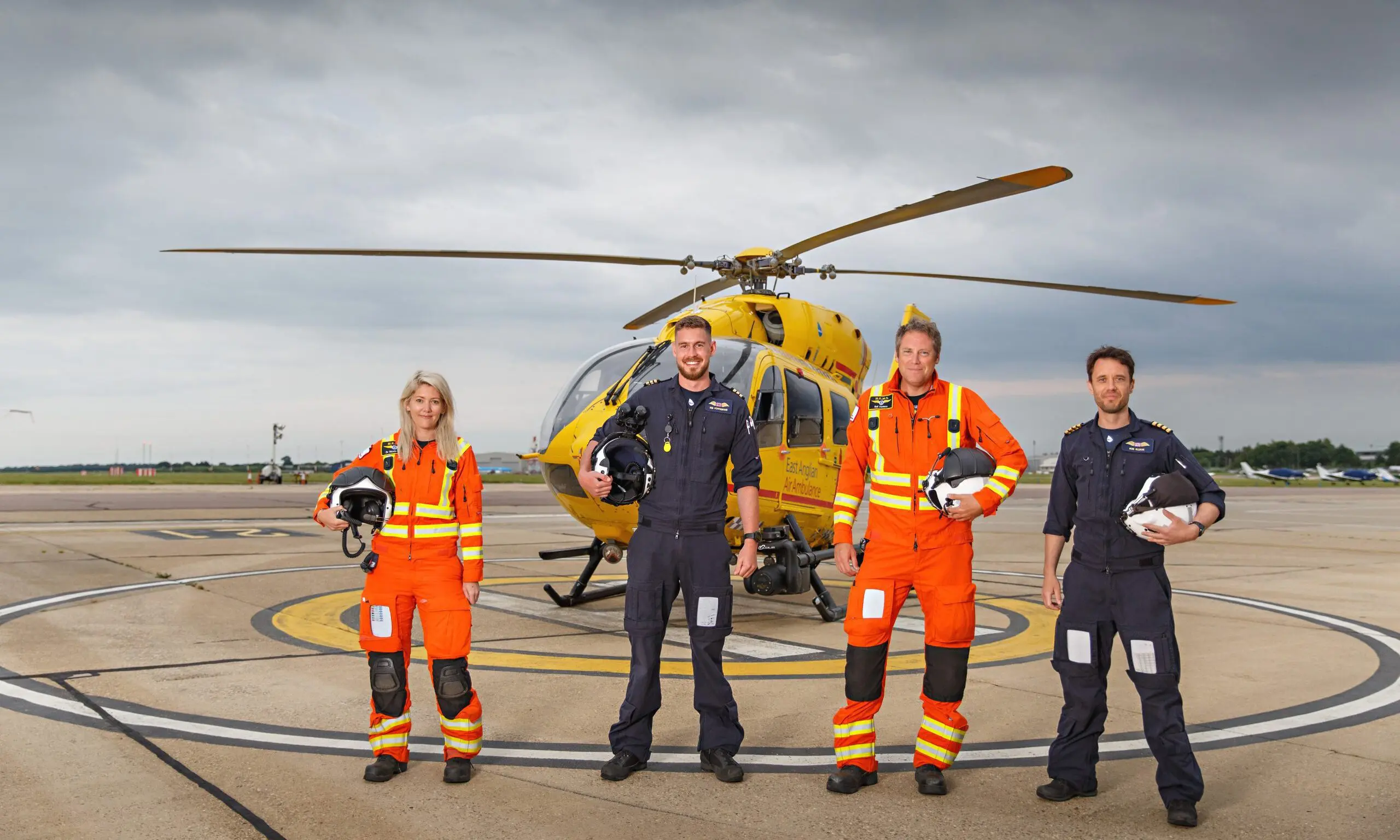
Babcock pilots are always happy to talk to members of the public about the aircraft and our ‘neighbourly’ flying techniques. We welcome opportunities to answer your questions and explain more about the charities lifesaving work, which is all made possible thanks to your kind support.
Related News