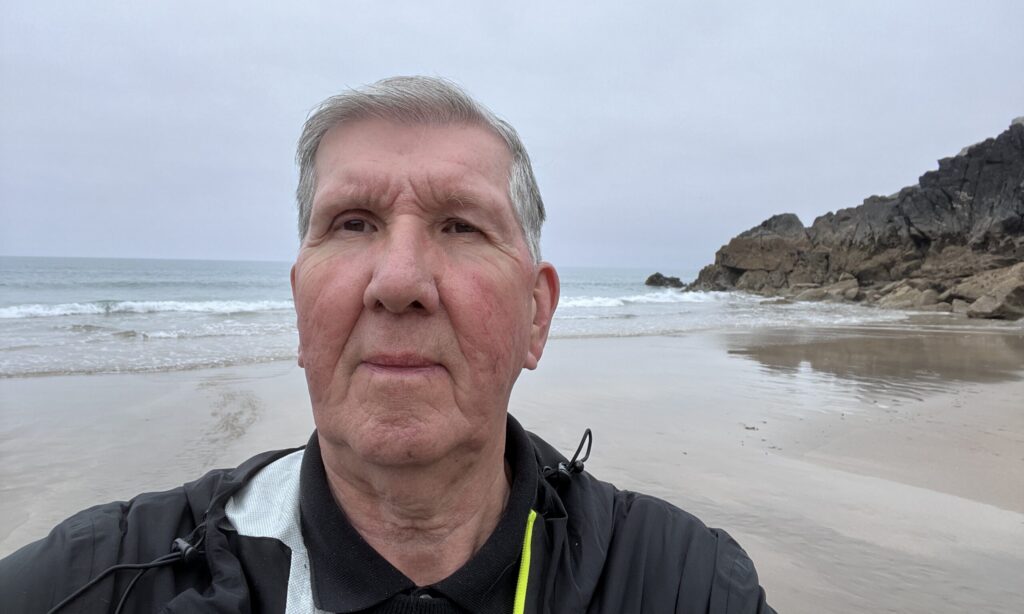
Steve's Story
“I’ve been swimming twice a week, a mile at a time, for many years. The 29 January 2026 was a cold morning, and I didn’t feel like going for my usual swim at The Hive Leisure Centre in Ely, but I decided to go. I didn’t know at that time that strangers would save my life that day.
Age 74, as well as swimming regularly, I walked often, I didn’t smoke and didn’t drink. I felt fit and healthy. I had no symptoms that suggested that anything was wrong. I got into the swimming pool and did my normal ten-minute warm-up. Then I don’t remember anything until around an hour later.
I had suffered a cardiac arrest while I was in the swimming pool.
The lifeguards on duty that day, people I hadn’t met before, saw what happened. They got me out of the pool and carried out CPR – chest compressions to keep me alive until help arrived.
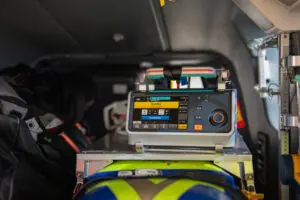
A defibrillator was used and gave me three shocks to try to reset my heart into a normal rhythm. I’d previously had a pacemaker fitted and I’d later learned that, in the pool, I’d had a Ventricular Tachycardic event; my heart rate had increased to 300 beats per minute. The quick thinking and immediate actions of the staff at the leisure centre would prove crucial.
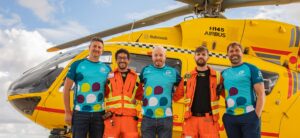
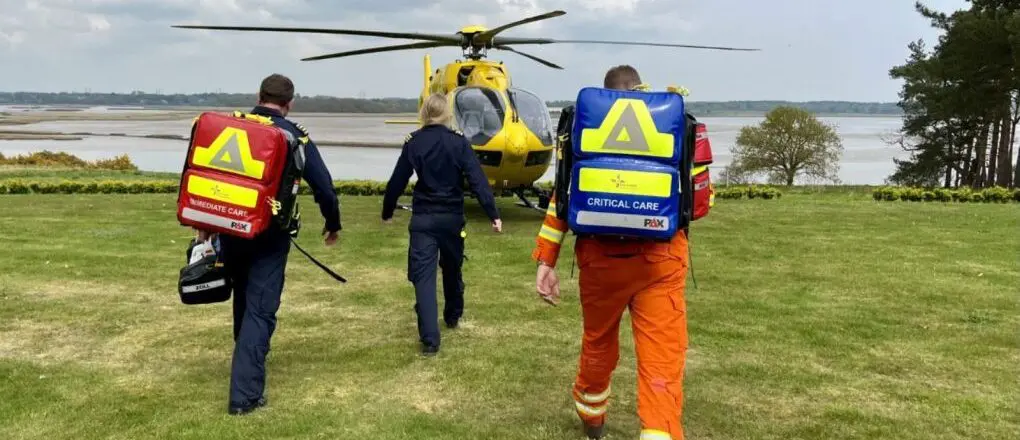
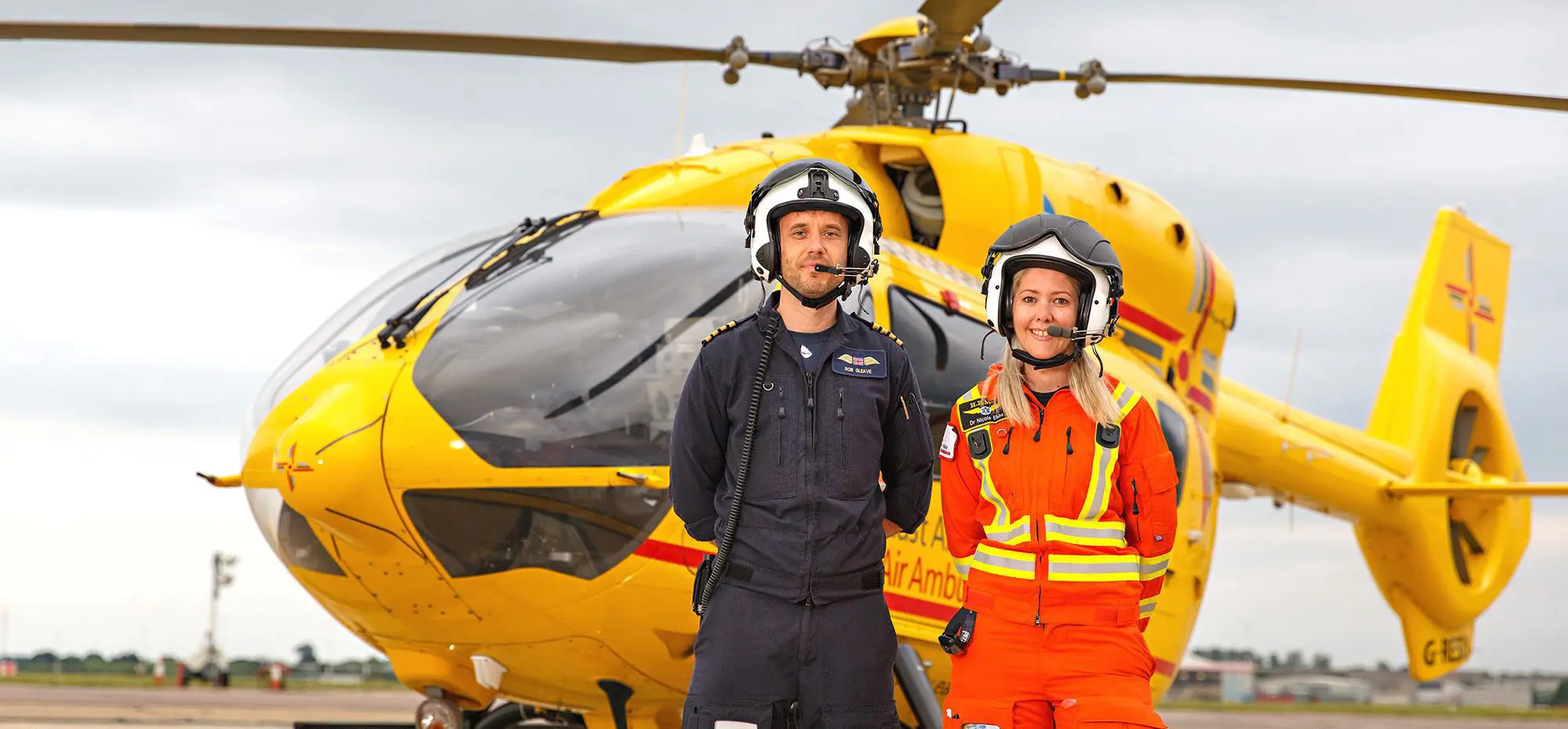
Then there was the crew from East Anglia Air Ambulance, a Community First Responder and the East of England Ambulance service, as well as the Police Officer who accompanied me, and the Police Officer who went to tell my wife and take her to collect the car from the leisure centre.
That’s a lot of strangers…
Fewer than 1 in 10 people survive an out-of-hospital cardiac arrest and I was one of them.
I didn’t know the hospital staff, the doctors, the consultants – they were all strangers too. Although I didn’t have any symptoms, they found that I had ischemic heart disease and a triple bypass followed.
If I hadn’t gone to the pool, where they had the training and the equipment, I could have had a cardiac arrest later in the street. What a stroke of luck is that? A massive positive amongst all the angst.
But that’s what being a community is about; you don’t walk by, you help.
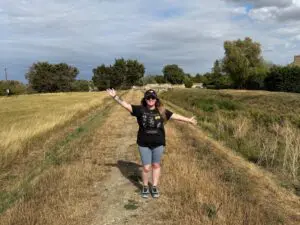
The recovery is tough when you are over seventy. I’m getting there – but only because of the kindness of strangers.”
Steve Wilson
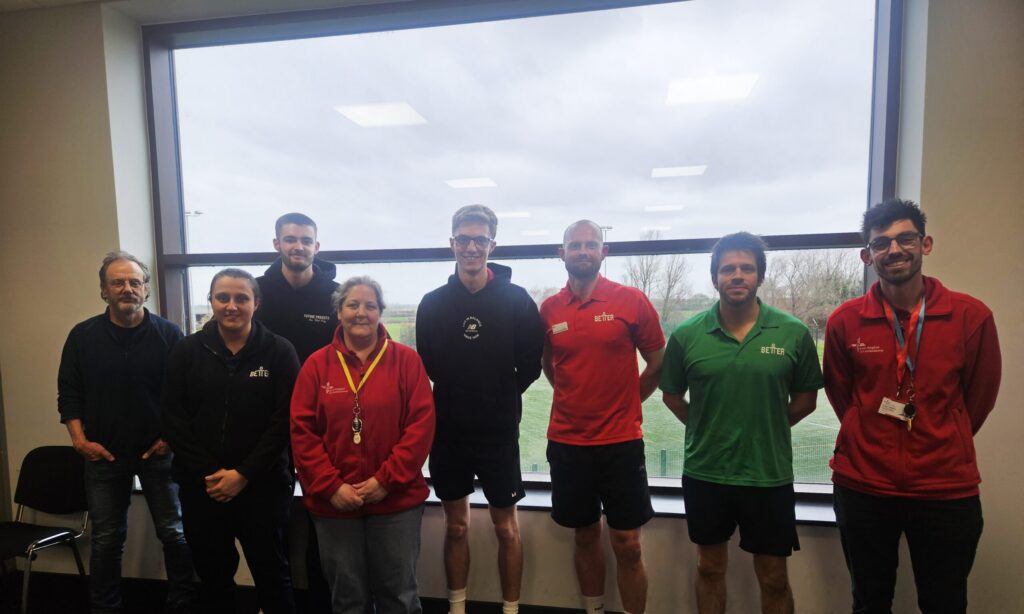
The Hive Leisure Centre team
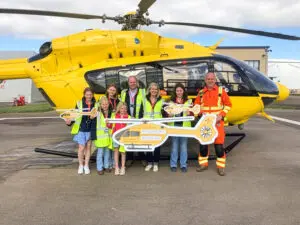
Steve was helped by the team at The Hive Leisure Centre. Lifeguards, duty managers and recreation assistants came together to save Steve’s life from the very moment something was wrong.
Mark: I was lifeguarding during the usual lane swimming session that day. It was fairly quiet in the pool. I was watching swimmers, who often have their faces in the water, gliding as they reach the end of the lane, when I saw that somebody in the shallow end hadn’t moved. I raised the alarm, jumped into the pool, with others helping. I turned the gentleman – who we now know as Steve – over; he was motionless and unconscious. We radioed that we urgently needed an ambulance and a defibrillator while we pulled the gentleman out of the pool. My colleague Luke started CPR.
Luke: I rushed round to the pool when I heard the radio and the alarm go off. I saw Mark in the pool with other swimmers helping to get the gentleman out of the water. I started CPR with Barry taking over.
Tim: I’m a former nurse and recognised that Steve had agonal breathing, something which can happen during cardiac arrest. Performing CPR is hard work so we coordinated two minutes on/two minutes off.
Mark: We attached a defibrillator to Steve. It analysed his heart and recognised he needed shocks. It gave three to Steve in total. In between each shock, we continued giving CPR. At one point, I thought it wasn’t working but after the third shock it said a heart rhythm was detected but Steve was still agonal breathing. Then teams from the ambulance service and East Anglian Air Ambulance arrived to take over.
Barry: In hindsight, the stars aligned that day; it was a quiet pool, and it happened at the shallow end, and it happened in between the early and late shifts. It felt like 100mph and slow motion at the same time, but we just went into autopilot because of the training we receive regularly. We worked as a team and that really stood out.
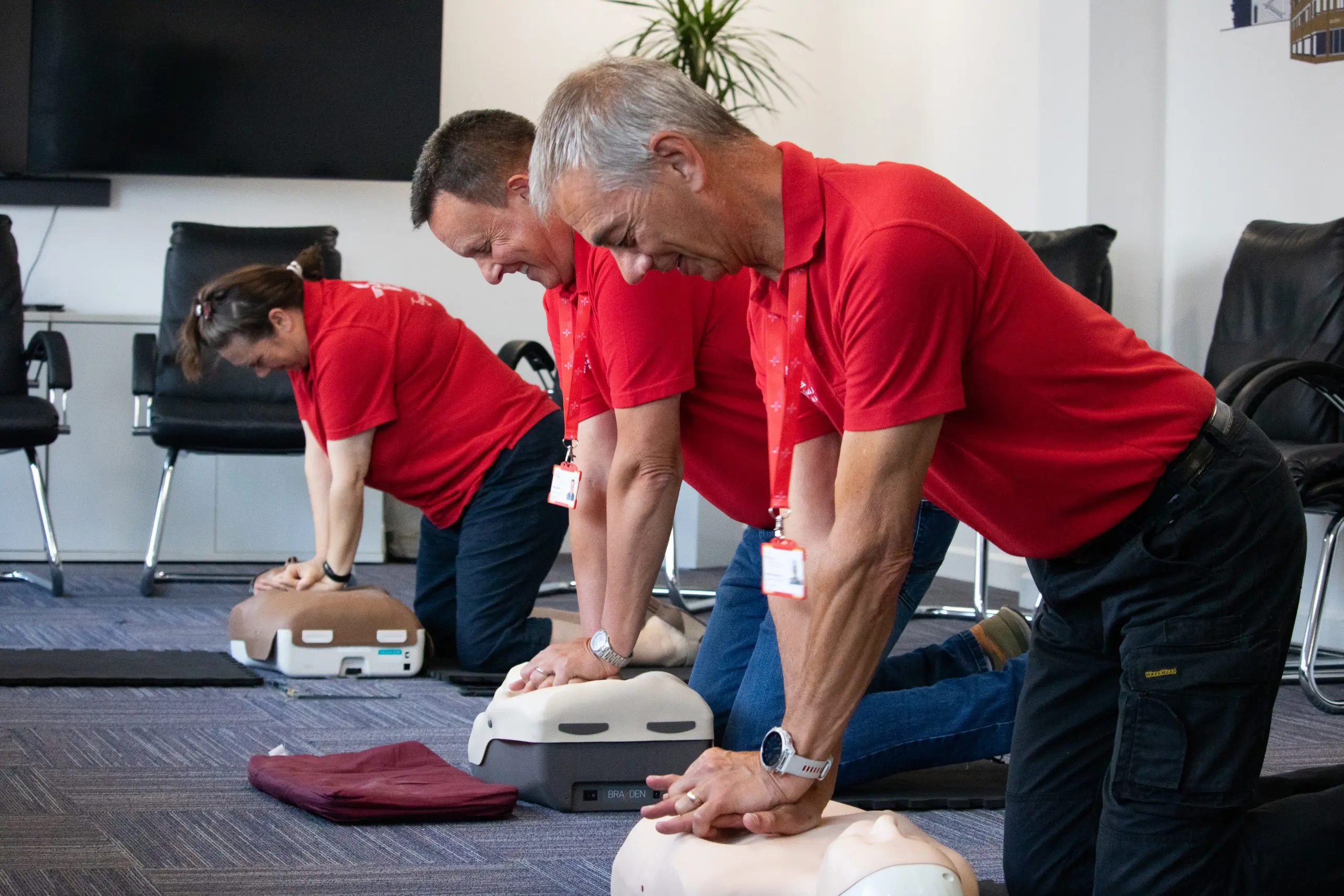
Tim: While it was an awful situation, we knew what we had to do. We were focused on performing CPR and using the defibrillator and there were no distractions. It was simple and controlled. As a team, we have CPR training every month – for adults, children and babies – and this practice helped a lot.
Luke: It’s not a difficult skill to learn and it was second nature to us as we’re trained so regularly.
Barry: CPR is a skillset everyone should have; it helps to stop the panic if you ever need to use it.
Mark: The outcome was positive and it showed what the team is capable of. It could have been a very different scenario. In terms of CPR training, it’s better to have it and not need it, than need it and not have it.
Last year, 563 people treated by our crews had suffered a life-threatening cardiac arrest, that’s over 30% of our taskings. A cardiac arrest is a life-threatening medical emergency where every second counts. Our crews can get to the scene quickly, but not as quickly as the people already there – which is why it’s so important that as many people as possible have the confidence and skills to step forward to start somebody’s chain of survival before the emergency services arrive.
The chain of survival is a series of time-sensitive actions and interventions taken in the event of a cardiac arrest to give somebody the best chance of survival and recovery from this life-threatening medical emergency. Bystanders have a vital part to play by starting the chain of survival as soon as possible.
Steve’s story is an excellent example of early recognition, early bystander CPR and defibrillator use, critical response and aftercare support all working together in a chain to save his life. Since his incident, our Aftercare team have supported Steve, and visited the leisure centre to support and debrief with the team who helped Steve on the day.
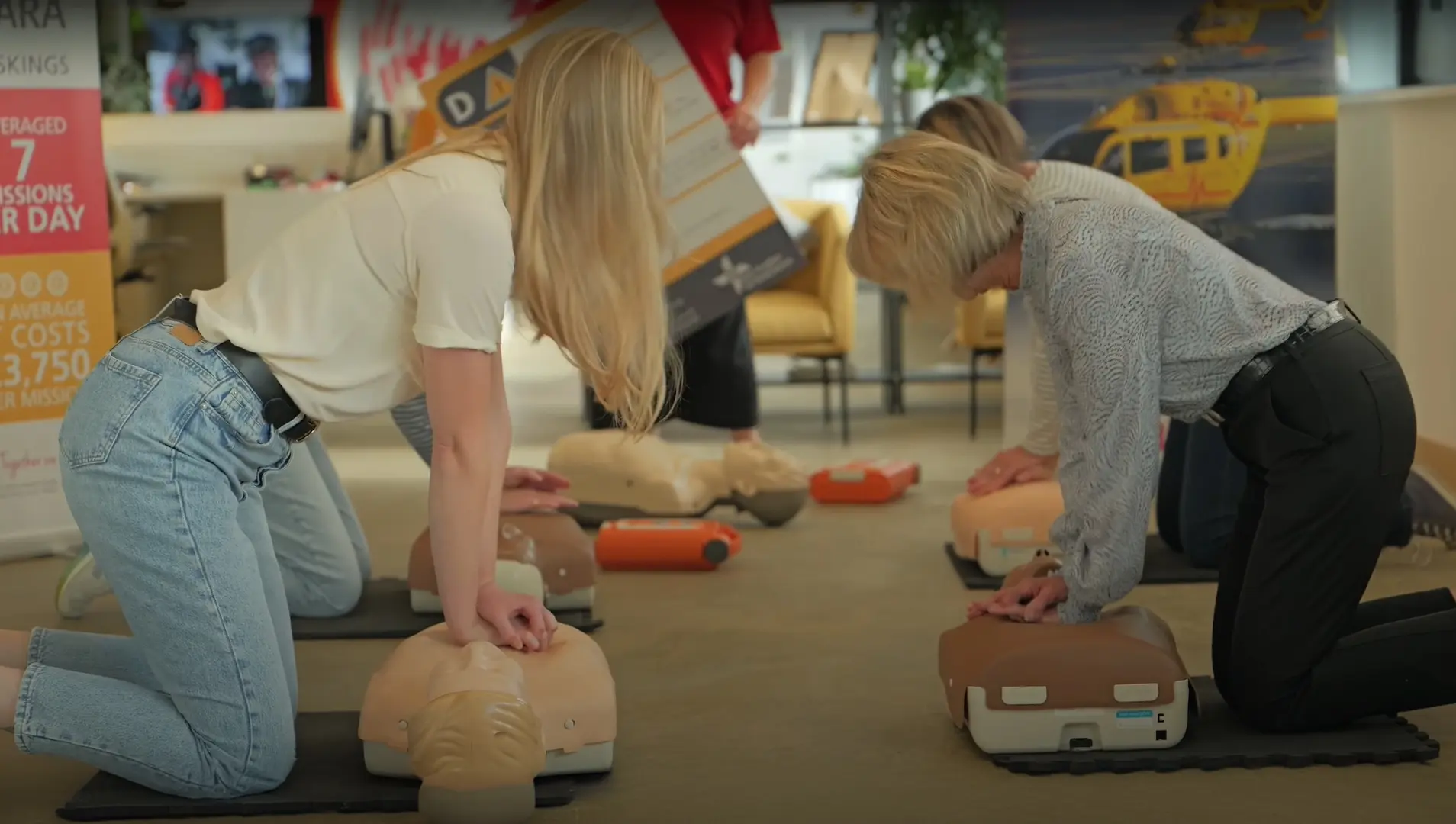
Our Community CPR team offer one-hour CPR and defibrillator training sessions to give more people in communities across the region the skills to save a life. This Restart a Heart Day, get in touch today to request your FREE session: Request CPR training – East Anglian Air Ambulance
This month, just after Restart a Heart Day on 16 October, Steve will see one of his daughters get married. Something that may not have been possible without the kindness of strangers.
Related News